
The Yokohama Triennale is more than just an art exhibition; it’s a pivotal platform for contemporary artists in the Asia-Pacific region and beyond. As the 2026 edition approaches, the excitement is palpable, not just for the works that will be displayed but for the conversations they will spark.
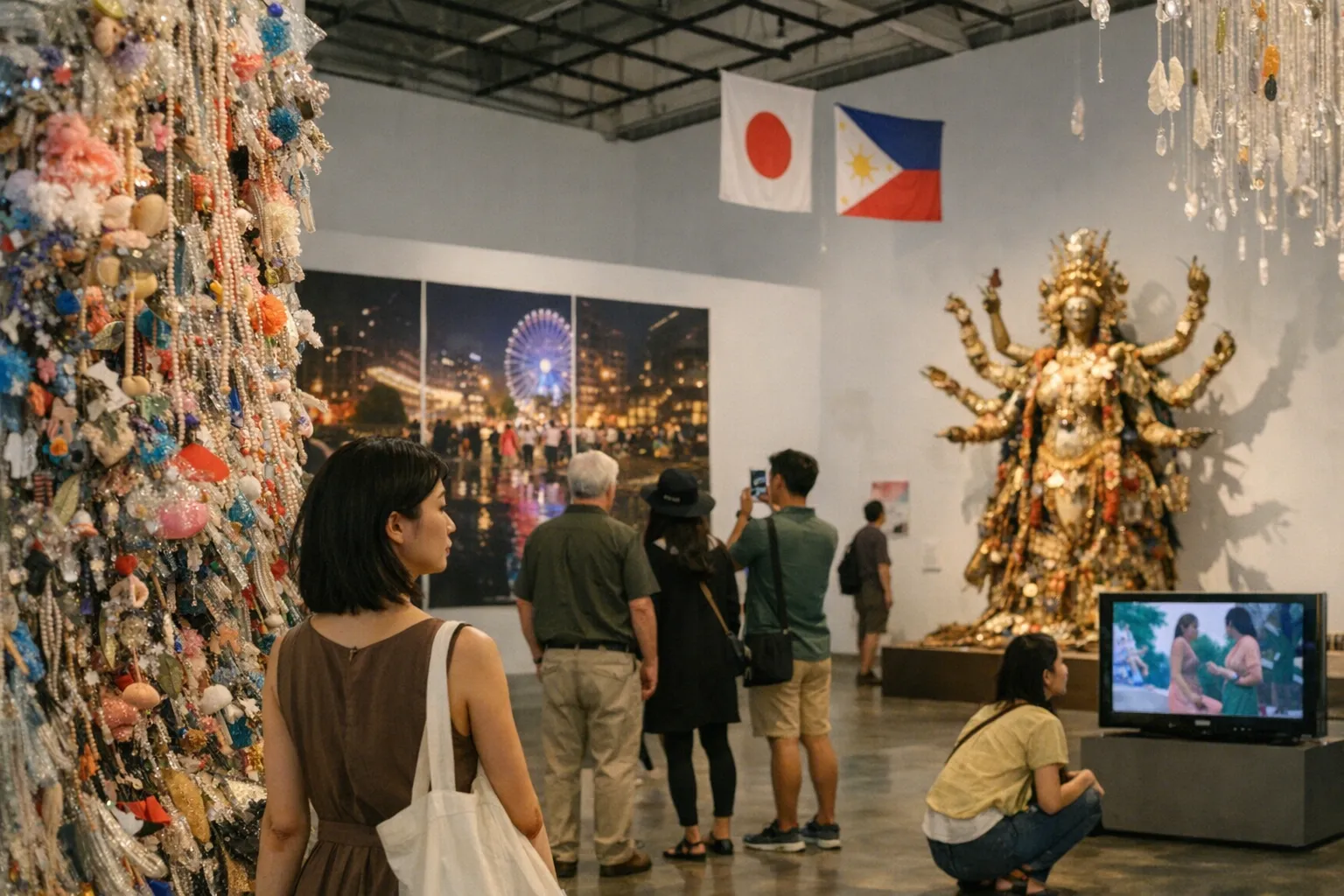
In this article, we will explore how the Yokohama Triennale 2026 serves as a crucial intersection for Asia-Pacific contemporary art and its impact on global art trends. Scheduled from July 18 to October 12, 2026, this triennale will feature approximately 90 artists across multiple venues, including the newly renovated Yokohama Museum of Art. We will also examine the curatorial vision and thematic focuses that highlight the Triennale’s role in fostering cultural exchange and redefining Japan's relationship with contemporary art.
Introduction to the Yokohama Triennale
Established in 2001, the Yokohama Triennale has become a pivotal event in the contemporary art calendar, held every three years. This prestigious platform showcases a dynamic mix of both established and emerging artists, making it a vital space for artistic innovation and cultural dialogue.
The Triennale is organized collaboratively by the City of Yokohama, the Yokohama Arts Foundation, Japan Broadcasting Corporation (NHK), The Asahi Shimbun, and the Organizing Committee for Yokohama Triennale. This coalition ensures a diverse range of perspectives and practices are represented, fostering a vibrant exchange of ideas.
One of the key missions of the Yokohama Triennale is to facilitate international dialogue and cultural exchange. As Japan's historic gateway to the world, Yokohama embodies the cross-cultural interactions central to this event. The curatorial team announced in 2024 emphasized a strong focus on Asia-Pacific contemporary practices, further highlighting the region's significance in global art trends.
“The Triennale is like a bridge, connecting diverse cultures and sparking conversations that transcend borders.”
In its upcoming 9th edition, scheduled from July 18 to October 12, 2026, the Triennale will feature approximately 90 artists across three primary venues: the Yokohama Museum of Art, Bank Art KAIKO, and the Former Daiichi Bank. This year promises to reexamine the social role of art, addressing the intricate relationships between Japan and the world, as well as the individual and society.
The 2026 Edition: What to Expect
The Yokohama Triennale 2026 is set to take place from July 18 to October 12, 2026, positioning itself as a pivotal event in the contemporary art calendar. This ninth edition will unfold across three primary venues: the Yokohama Museum of Art, Bank Art KAIKO, and the Former Daiichi Bank.
Following significant renovations, the Yokohama Museum of Art will be a highlight, showcasing the latest in contemporary practices. The museum's reopening in March 2024 adds a fresh backdrop to the Triennale, enhancing the experience for both artists and visitors.
Approximately 90 artists are expected to participate, representing diverse voices from the Asia-Pacific region. This aligns with the curatorial team's strong focus on contemporary practices from this area, which was announced in 2024.
Key details to note:
- Dates: July 18 - October 12, 2026
- Main Venues:
- Yokohama Museum of Art
- Bank Art KAIKO
- Former Daiichi Bank
- Participants: Approximately 90 artists
The Triennale continues to serve as a platform for fostering international dialogue, addressing the intricate relationships between Japan and the world, as well as the individual and society. As it has done since 2001, the Triennale aims to reexamine the social role of art through various perspectives, making it a critical event for both the local and global art communities.
For more detailed information, you can visit the Yokohama Triennale Official Site.
Curatorial Focus: Asia-Pacific Contemporary Practices
The curatorial direction for the Yokohama Triennale 2026 was announced in 2024, marking a significant emphasis on Asia-Pacific contemporary art. This focus is not just about showcasing established artists; it's an important platform for emerging voices, fostering a broader understanding of diverse cultural narratives and practices within the region.
Key Aspects of the Curatorial Focus:
-
Cultural Narratives: The curatorial team aims to explore the rich tapestry of stories and experiences that define Asia-Pacific cultures. This includes examining how these narratives intersect with global art trends, contributing to a more nuanced conversation about identity and representation.
-
Emerging Voices: Alongside established artists, the Triennale will spotlight new talents, providing them with an opportunity to engage with a global audience. This approach not only democratizes the art scene but also integrates fresh perspectives that challenge traditional art paradigms.
-
Cross-Cultural Exchange: Yokohama's historical significance as Japan's gateway to the world enhances the Triennale's mission of fostering international dialogue. The event's setup encourages interactions among artists, curators, and audiences from various backgrounds, facilitating a dynamic exchange of ideas.
The upcoming Triennale is expected to feature approximately 90 artists across three primary venues, including the newly renovated Yokohama Museum of Art. This diverse lineup is set to address critical themes such as the relationship between Japan and the world, as well as the individual and society, reexamining the social role of art through various lenses.
This strategic curatorial focus not only reaffirms the Triennale's commitment to showcasing Asia-Pacific art but also positions it as a vital contributor to ongoing global art dialogues. For more information, visit the Yokohama Triennale Official Site.
Yokohama: A Historic Gateway for Cultural Exchange
Yokohama has long served as Japan's historic gateway to the world, a role that is pivotal to the mission of the Yokohama Triennale 2026. Established in 2001, the Triennale has fostered cross-cultural dialogue and has been instrumental in reshaping Japan's relationship with contemporary art.
-
Cross-Cultural Exchange: The Triennale emphasizes collaboration and exchange among artists from diverse backgrounds. By showcasing approximately 90 artists in 2026, the event aims to highlight contemporary practices from the Asia-Pacific region, further reinforcing Yokohama's status as a cultural hub.
-
Impact on Japan's Art Scene: The Triennale has continuously challenged the boundaries of contemporary art in Japan. It encourages local artists to engage with international trends while also inviting global perspectives. This duality enriches the cultural fabric of Japan, promoting a broader understanding of societal issues through art.
-
Cultural Significance: The curatorial team's focus on Asia-Pacific contemporary practices signals a shift towards inclusivity in the art world. The 2026 Triennale will take place in newly renovated venues like the Yokohama Museum of Art, which enhances the experience of visitors and participants alike.
In essence, the Yokohama Triennale not only serves as a platform for artistic expression but also fosters vital connections across cultures, making it a significant event in the global art calendar. For more information, visit the Yokohama Triennale Official Site.
The Role of Art in Society: Themes and Perspectives
The Yokohama Triennale 2026 is set to be a pivotal event in exploring the complex relationships between Japan and the global community. This edition aims to reflect on how contemporary art can serve as a bridge, fostering understanding and dialogue across cultural divides.
Key Themes
-
Japan and the World: The Triennale encourages discourse on Japan's position in the global landscape. It highlights historical connections and contemporary interactions, prompting both artists and visitors to consider how these relationships shape our collective identity.
-
Art's Social Role: The curatorial team, announced in 2024, focuses on the social responsibilities of art. By inviting approximately 90 artists to contribute, the event examines how art influences societal norms and values, challenging participants to reflect on their roles as both individuals and members of a community.
-
Dialogue on Individual and Societal Issues: The Triennale aims to spark conversations around pressing social issues, including identity, migration, and climate change. This initiative not only showcases diverse artistic practices but also opens up spaces for critical engagement with these themes.
By addressing these themes, the Yokohama Triennale 2026 stands as a testament to the transformative power of art in society. It not only showcases Asia-Pacific contemporary practices but also sets the stage for a global dialogue that resonates far beyond its immediate context. For more information, visit the Yokohama Triennale Official Site or explore Asia-Pacific Contemporary Art Trends.
Case Study: Previous Editions and Their Impact
The Yokohama Triennale has consistently shaped the landscape of contemporary art in the Asia-Pacific region since its inception in 2001. Each edition has left an indelible mark on both local and international art scenes.
-
2001: Inaugural Edition
The first Triennale established a platform for dialogue between Japanese and global artists. It set the stage for future events by highlighting the importance of cultural exchange. This initial gathering not only introduced new voices but also fostered relationships that influenced subsequent art trends. -
2017: Islands, Constellations & Galapagos
This edition explored themes of isolation and interconnectedness. By focusing on the metaphor of islands, it encouraged artists to reflect on their cultural identities and environments. The result was a diverse array of works that resonated with issues of globalization and community, enhancing Yokohama's reputation as a hub for contemporary art.
The impact of the Triennale extends beyond its immediate exhibitions. It has played a crucial role in:
-
Local Art Scene Development
By featuring both established and emerging artists, the Triennale has nurtured local talent and provided them with a global stage. -
International Dialogue
The event has fostered cultural exchange, allowing for collaborations and discussions that influence trends in contemporary art worldwide.
As we look forward to the 2026 edition, which promises to feature approximately 90 artists across multiple venues, it continues to emphasize the importance of Asia-Pacific contemporary practices and their global relevance. For more information, visit the Yokohama Triennale Official Site and explore Asia-Pacific Contemporary Art Trends.
Challenges and Opportunities for Artists
The contemporary art landscape is a complex arena where artists must navigate both global trends and local narratives. As the Yokohama Triennale prepares for its 2026 edition, these challenges are increasingly pronounced.
-
Global Art Trends vs. Local Narratives: Artists often find themselves at a crossroads between creating work that resonates globally and staying true to their local contexts. The Triennale’s focus on Asia-Pacific contemporary practices offers a platform for artists to bridge these divides, but it also raises questions about authenticity and representation.
-
Funding and Support for Emerging Artists: Securing financial backing remains a significant hurdle. While major art events like the Yokohama Triennale can elevate visibility, they don't always guarantee funding for underrepresented artists. The Triennale has historically aimed to foster emerging talent, yet the competition for resources can overshadow their contributions.
-
Balancing Commercial Viability with Artistic Integrity: The pressure to create commercially viable work can lead artists to compromise their vision. The Triennale seeks to challenge this dynamic by promoting diverse artistic expressions. However, artists often grapple with the need to attract audiences while maintaining their unique voices.
The 2026 Triennale will showcase approximately 90 artists across various venues, including the newly renovated Yokohama Museum of Art. This event not only highlights the challenges artists face but also serves as a crucial opportunity for dialogue and cultural exchange, reinforcing Yokohama's role as a gateway for artistic interaction.
FAQs About the Yokohama Triennale 2026
What is the Yokohama Triennale?
The Yokohama Triennale is a contemporary art exhibition that takes place every three years in Yokohama, Japan. First held in 2001, it showcases a diverse array of artworks and practices, focusing on both international and local artists. The 2026 edition, marking its 9th iteration, is set to run from July 18 to October 12, 2026, across key venues like the Yokohama Museum of Art and Bank Art KAIKO.
Who are the featured artists?
The upcoming Triennale will host approximately 90 artists, representing a broad spectrum of contemporary practices. The curatorial team, announced in 2024, emphasizes a strong focus on Asia-Pacific artists, aiming to highlight the region's unique artistic narratives and global influence. This diverse lineup will include both renowned figures and emerging talents, fostering a rich dialogue around contemporary issues.
How can visitors engage with the event?
Visitors can engage with the Yokohama Triennale in numerous ways:
- Attend Exhibitions: Explore installations and performances at the main venues and various satellite locations throughout the city.
- Participate in Workshops: Join interactive sessions designed to deepen understanding of the artworks and the themes they address.
- Guided Tours: Take part in guided tours that provide insights into the artists and their creative processes.
- Community Events: Engage in community-driven events that facilitate dialogue between artists and audiences.
For more information, visit the Yokohama Triennale Official Site.
Potential Pitfalls for Visitors and Participants
As the Yokohama Triennale 2026 approaches, it’s crucial for visitors and participants to navigate the event thoughtfully. Here are some common pitfalls to avoid:
-
Overlooking Lesser-Known Artists: With around 90 artists showcasing their work, many attendees may gravitate toward established names. However, the Triennale also highlights emerging talents. Engaging with these lesser-known artists can provide fresh perspectives and deeper insights into the Asia-Pacific contemporary art scene.
-
Failing to Engage with Interactive Installations: Many installations at the Triennale are designed for interaction, encouraging visitors to participate actively. Ignoring these opportunities can lead to a superficial experience. Engaging with these works can enhance understanding and appreciation, making the visit more memorable.
-
Not Planning Visits to Satellite Locations: The Triennale extends beyond its main venues, such as the Yokohama Museum of Art and Bank Art KAIKO, into city-wide satellite locations. These sites often feature unique exhibitions that complement the main event. A well-planned itinerary that includes these locations can enrich the overall experience.
Avoiding these pitfalls will enhance your visit to the Yokohama Triennale 2026, allowing for a more comprehensive engagement with the vibrant landscape of contemporary art. For more information, check the Yokohama Triennale Official Site.
Conclusion: The Future of Asia-Pacific Contemporary Art
The Yokohama Triennale stands as a pivotal catalyst for change within the Asia-Pacific contemporary art scene. With its upcoming 2026 edition set to showcase approximately 90 artists across various venues—including the newly renovated Yokohama Museum of Art—it highlights the region's dynamic artistic practices and the critical dialogues they inspire.
One of the Triennale's primary functions is to foster ongoing dialogue within the art community. By bringing together established and emerging artists, it creates a platform for diverse voices, encouraging discussions that transcend cultural and geographical boundaries. This exchange is vital for navigating the complexities of contemporary issues, enabling artists to reflect on and challenge societal norms.
Moreover, contemporary art plays a crucial role in shaping cultural narratives. The Triennale's focus on the interplay between Japan and the world, as well as the individual and society, reexamines the social role of art. By addressing these relationships, it not only enhances local cultural identity but also presents a nuanced perspective on global art trends.
As the 2026 Triennale approaches, its impact on the future of Asia-Pacific contemporary art is undeniable. It promises to be a transformative event that not only celebrates artistic excellence but also paves the way for future innovations and collaborations in the global art landscape. For more insights, check the Yokohama Triennale Official Site and explore broader Asia-Pacific Contemporary Art Trends.