
The Mona Lisa captivates viewers with her mysterious smile and timeless allure. Painted by Leonardo da Vinci over 500 years ago, this artwork has transcended its historical context to become a symbol of artistic genius. But what makes the Mona Lisa so compelling?
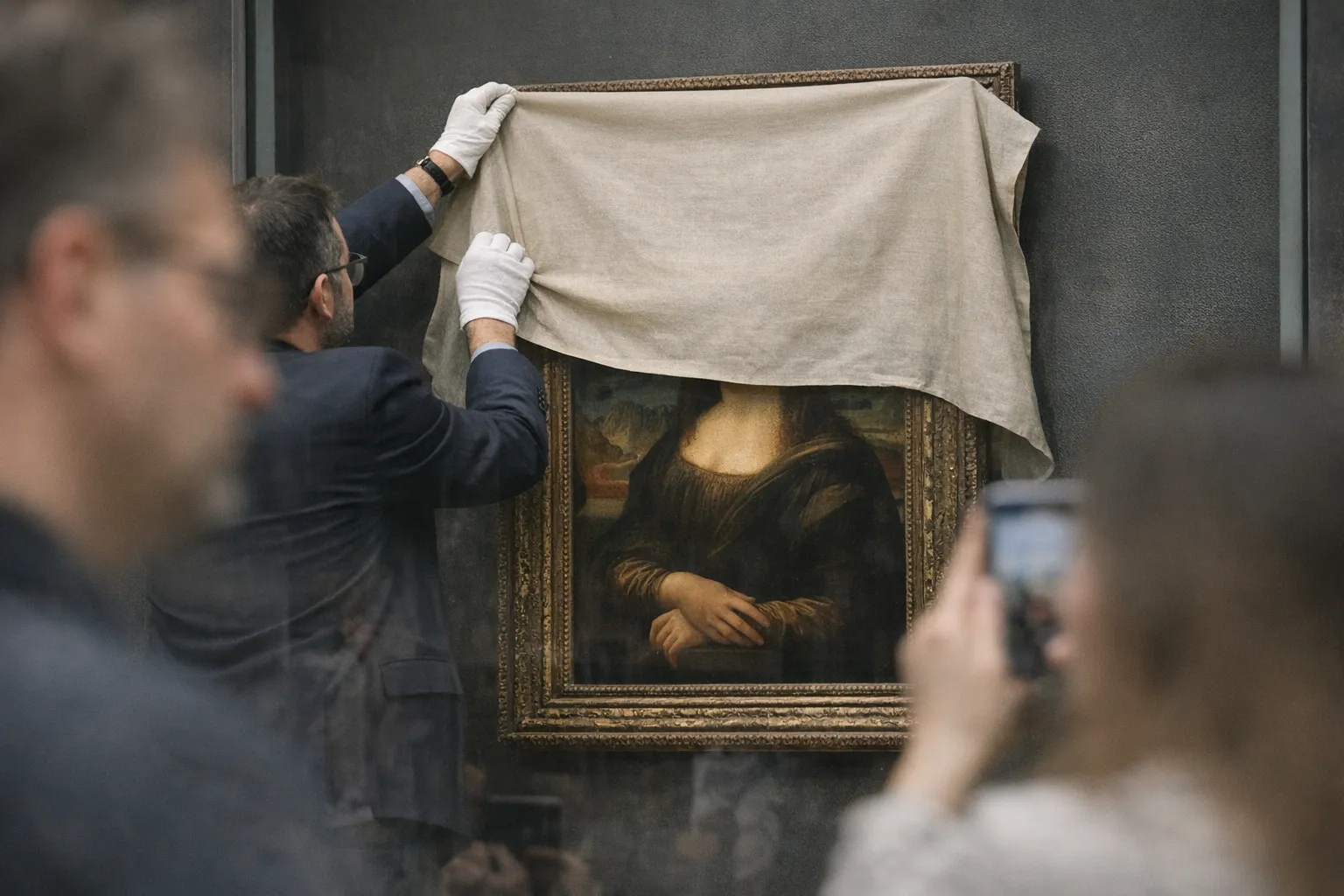
In this article, we will explore the painting's significance in art history, examining its innovative techniques, cultural impact, and the enduring fascination it inspires. From the sfumato technique that softens her features to the myriad interpretations of her enigmatic expression, the Mona Lisa stands as a testament to the brilliance of the Italian Renaissance and continues to influence art and culture today. Join us as we delve into the layers of meaning behind this iconic masterpiece.
The Historical Context of the Mona Lisa
The Mona Lisa, created by Leonardo da Vinci between 1503 and 1506, is a quintessential product of the Italian Renaissance, a vibrant period spanning the 14th to 17th centuries. This era marked a profound transformation in art, culture, and intellectual thought, moving away from the medieval focus on religious themes to embrace humanism and the natural world.
Key figures of the Italian Renaissance, including Michelangelo, Raphael, and Titian, pushed the boundaries of artistic expression. Innovations like linear perspective and chiaroscuro revolutionized how space and light were depicted, laying the groundwork for realism in art. Da Vinci himself was pivotal, not only for his artistic techniques but also for his scientific inquiries, blending art with anatomy and engineering.
Leonardo's contributions to the Renaissance are immense. He employed the sfumato technique in the Mona Lisa, creating soft transitions between colors and tones. This method allowed for a lifelike representation that gives the painting its enigmatic quality. As one scholar noted, “The Mona Lisa is like a whisper in a crowded room, captivating yet elusive.”
Furthermore, the Renaissance emphasized the importance of individual expression. The Mona Lisa's subtle smile and direct gaze invite viewers into a personal dialogue, making it more than just a portrait; it becomes a mirror reflecting the viewer's own thoughts and emotions.
Today, the Mona Lisa attracts millions of visitors at the Louvre Museum, where it has been displayed since 1804. It remains an enduring symbol of artistic achievement and intrigue, embodying the spirit of the Renaissance. To delve deeper into Da Vinci's life and works, you can learn more about Leonardo da Vinci.
The Creation of the Mona Lisa: Techniques and Materials
Leonardo da Vinci's Mona Lisa is not just famed for its subject but also for the masterful techniques and materials employed in its creation. One of the most notable techniques is sfumato, which Leonardo perfected. This method involves the delicate blending of colors and tones, creating soft transitions that give the painting its lifelike quality. The subtle gradations of light and shadow allow for an almost ethereal quality to the subject’s expression, contributing to the painting's enigmatic allure.
The materials used also reflect Leonardo's innovative approach. The Mona Lisa is painted on a poplar board, a choice that enhances the painting's durability. The use of oil paints allows for rich colors and intricate details, which are crucial for rendering the delicate features and the atmospheric background. These materials were relatively advanced for the early 16th century, showcasing Leonardo's forward-thinking artistry.
In terms of physical characteristics, the painting measures 77 x 53 cm, making it a half-length portrait. Its size, while modest, draws viewers in, inviting them to explore the details of her enigmatic expression. As a testament to its significance, the Mona Lisa has been displayed in a climate-controlled case at the Louvre Museum, protecting it from environmental damage and ensuring its preservation for future generations.
"Like a whisper of history, the Mona Lisa speaks volumes through silence."
These artistic choices have solidified the Mona Lisa as an archetypal masterpiece of the Italian Renaissance, captivating audiences for over five centuries. For those looking to delve deeper into Leonardo's life and work, learn more about Leonardo da Vinci.
The Enigmatic Expression: Interpretations and Theories
The smile of the Mona Lisa has sparked countless theories and interpretations since its creation in the early 16th century. Leonardo da Vinci's masterful use of the sfumato technique—blending light and shadow—creates an elusive expression that seems to change depending on the viewer's perspective. This ambiguity invites speculation about her emotional state and identity.
Theories Surrounding Her Smile
- Contentment vs. Melancholy: Some argue that her smile conveys serenity and happiness, while others see a hint of sadness or contemplation.
- Psychological Interpretations: Psychologists have suggested that the smile reflects the complexities of human emotion, representing both joy and sorrow simultaneously.
Cultural Interpretations
Her expression transcends time and culture, symbolizing the ideal of feminine beauty and mystery. Various art movements have drawn inspiration from the Mona Lisa, showcasing her impact on aesthetics and popular culture.
Impact on Viewers Over Time
The Mona Lisa's allure lies in its ability to engage viewers emotionally. Over the centuries, millions have marveled at her expression, often leaving with more questions than answers. This enigmatic quality has only deepened her significance in art history, making her a timeless subject of fascination.
For a deeper understanding of Da Vinci's genius, learn more about Leonardo da Vinci. To explore the place where the Mona Lisa resides, visit the Louvre Museum.
The Theft of the Mona Lisa: A Turning Point in Fame
The theft of the Mona Lisa in 1911 marked a pivotal moment in the painting's history, transforming it from a valued artwork into a global sensation. On August 21, 1911, an Italian handyman named Vincenzo Peruggia stole the painting from the Louvre, hiding it in his apartment for over two years.
The aftermath of the theft was explosive. Public reaction was immediate and intense, with newspapers across the world running headlines that captivated the imagination. The media frenzy included tales of the painting's enigmatic allure and speculation about its fate. The Mona Lisa became a household name, its theft fueling intrigue and desire.
This incident effectively transformed the Mona Lisa into a cultural icon. Prior to the theft, while recognized as a masterpiece, it did not command the widespread adoration it enjoys today. The theft and subsequent return in 1914 only amplified its mystique.
Key impacts of the theft include:
- Global Awareness: The theft introduced the painting to millions who had never heard of it before.
- Cultural References: The Mona Lisa began appearing in popular culture, from parodies to references in literature and film.
- Visitor Surge: Following its return, the Louvre saw a significant increase in visitors, eager to see the "stolen" masterpiece.
The Mona Lisa's journey from a respected artwork to a cultural phenomenon illustrates how historical events can influence art's legacy. For more on Leonardo da Vinci, check out this link, and to learn more about the museum housing this iconic work, visit the Louvre.
The Mona Lisa in Popular Culture
The allure of the Mona Lisa extends far beyond the walls of the Louvre, permeating various elements of popular culture. This iconic painting has inspired countless references across music, literature, and film, solidifying its status as a cultural touchstone.
References Across Mediums
-
Music: Artists like Nat King Cole and The Beatles have woven the Mona Lisa into their lyrics, symbolizing beauty and mystery. For example, Cole's song "Mona Lisa" reflects on the painting's enigmatic expression and its impact on viewers.
-
Literature: Authors such as Dan Brown in "The Da Vinci Code" have used the Mona Lisa as a plot device, further igniting intrigue about its history and meaning. The painting often serves as a metaphor for the elusive nature of truth.
-
Film: Movies like "The Da Vinci Code" and animated features such as "The Secret of Kells" have included the Mona Lisa, showcasing its cultural significance and prompting audiences to explore its backstory.
Parodies and Adaptations
The Mona Lisa has also been a frequent subject of parody and adaptation. Artists ranging from Andy Warhol to Banksy have reinterpreted the painting, often to comment on contemporary society or art itself. These adaptations keep the Mona Lisa relevant, highlighting its flexibility as a symbol.
Contemporary Art Discussions
In today’s art discussions, the Mona Lisa remains a focal point. Its enigmatic smile and masterful use of sfumato invite endless interpretation, making it a common reference in debates about art's role in society, authenticity, and the nature of beauty. Critics and enthusiasts alike explore how this Renaissance masterpiece continues to resonate in a modern context.
The Mona Lisa is more than just a painting; it is a cultural phenomenon that reflects and shapes societal values across generations. For a deeper dive into Leonardo da Vinci's life, you can learn more about him. And to appreciate the Mona Lisa in person, consider visiting the Louvre Museum.
The Mona Lisa's Home: The Louvre Museum
The Louvre Museum, located in Paris, is not just a home to countless works of art; it is the very sanctuary of the Mona Lisa. This iconic museum, originally a royal palace, has evolved into one of the largest and most visited art museums in the world. Since acquiring the painting in 1804, the Louvre has showcased the Mona Lisa's enigmatic charm to millions.
A Glimpse into the Louvre's Rich History
- Origins: The Louvre began as a fortress in the late 12th century, later transformed into a royal residence. It officially opened as a public museum during the French Revolution in 1793.
- Collection: Today, it houses over 35,000 works of art, including masterpieces from various periods and cultures.
Popularity and Visitor Statistics
- The Mona Lisa draws approximately 10 million visitors annually, making it one of the museum's highlights.
- Its fame skyrocketed after its theft in 1911, a pivotal event that cemented its status as a cultural icon.
Preservation Efforts
To protect the Mona Lisa from environmental threats, the Louvre employs advanced climate control measures. The painting is displayed in a climate-controlled case that maintains optimal temperature and humidity levels. This meticulous care ensures that Leonardo da Vinci's masterpiece remains preserved for future generations.
The allure of the Mona Lisa endures, not only due to its artistic brilliance but also because of the esteemed institution that houses it. For more insights on Leonardo da Vinci, you can learn more about his life and works, or explore the Louvre Museum to understand the broader context of this masterpiece's significance.
The Priceless Value of the Mona Lisa
The Mona Lisa, painted by Leonardo da Vinci between 1503 and 1507, is often estimated to be worth over a billion dollars, a figure that underscores its monumental significance in both art and culture. However, labeling it with a monetary value feels almost trivial; many argue it is truly priceless.
-
Cultural Impact: The painting's enigmatic expression and masterful use of the sfumato technique have captivated audiences for centuries. Its fame surged after the theft from the Louvre in 1911, which not only brought it global attention but also solidified its status as a cultural icon.
-
Art Appreciation: The notion of value in art extends beyond mere dollars. The Mona Lisa's allure lies in its ability to evoke emotion and provoke thought, impacting how we appreciate art. Its display in a climate-controlled case at the Louvre ensures preservation, allowing future generations to experience its beauty.
-
Ongoing Fascination: The Mona Lisa continues to inspire countless interpretations and references in popular culture, from music to literature and film. This cultural relevance reinforces the idea that its true worth transcends financial estimates.
In summary, the Mona Lisa's value is a complex interplay of monetary estimates and its profound cultural significance, making it an unparalleled masterpiece of the Renaissance.
For more insights, you can learn more about Leonardo da Vinci or explore the Louvre Museum.
Myths vs. Reality: Debunking Common Misconceptions
The Mona Lisa has captivated audiences for centuries, but with that fascination comes a plethora of myths. Here, we clear up some common misconceptions surrounding this iconic painting.
-
Myth: The Mona Lisa was painted in a single year.
- Reality: Leonardo da Vinci began the painting between 1503 and 1506, but it wasn't completed until around 1507. This long creation period reflects Leonardo's meticulous techniques, including the use of sfumato, which creates soft transitions between colors.
-
Myth: The artist is a mystery.
- Reality: While Leonardo da Vinci is often shrouded in mystique, he is a well-documented figure whose life and works are extensively studied. His innovations in art and science are well recognized, making him one of the most influential artists of the Renaissance. Learn more about Leonardo da Vinci.
-
Myth: The painting is in poor condition.
- Reality: Contrary to popular belief, the Mona Lisa is well-preserved. It resides in a climate-controlled case at the Louvre Museum, which protects it from environmental damage. This careful preservation ensures that it remains as vibrant as when it was painted.
-
Myth: Its fame is purely due to its artistic merit.
- Reality: While the painting is undeniably a masterpiece, its fame skyrocketed after its theft in 1911. The incident drew massive media attention, and its subsequent return in 1914 solidified its status as a cultural icon. Today, the Mona Lisa attracts millions of visitors to the Louvre each year, further enhancing its legendary allure. Explore the Louvre Museum.
Understanding the reality behind these myths enriches our appreciation of the Mona Lisa, allowing us to view it not just as a painting but as a symbol of artistic achievement and cultural heritage.
The Legacy of the Mona Lisa: Enduring Allure
The Mona Lisa has left an indelible mark on art history, influencing countless artists and movements. Its unique composition and enigmatic expression have inspired creativity and innovation across generations. For instance, artists like Salvador Dalí and Andy Warhol drew from the Mona Lisa, reinterpreting its themes and aesthetics in their works.
In the realm of art education, the Mona Lisa serves as a quintessential study piece. Students and scholars analyze Leonardo da Vinci's use of the sfumato technique, which employs subtle gradations of light and shadow. This method has become a benchmark for aspiring painters, illustrating the importance of technical mastery in art.
Modern society's fascination with the Mona Lisa is undeniable. Housed in the Louvre Museum, it attracts millions of visitors annually, making it not just a painting, but a cultural phenomenon. The painting's theft in 1911 significantly boosted its fame, turning it into a global icon. Today, it appears in various forms of popular culture, from music to literature, reflecting its pervasive influence.
In summary, the Mona Lisa continues to captivate audiences, serving as a source of inspiration and education, while remaining a centerpiece of art history. Its legacy is a testament to the power of art to transcend time and culture.
Frequently Asked Questions about the Mona Lisa
The Mona Lisa, painted by Leonardo da Vinci between 1503 and 1506, is surrounded by a rich tapestry of history and intrigue. Here are some common questions that delve into its significance and allure.
What is the story behind the Mona Lisa?
The painting is believed to depict Lisa Gherardini, a Florentine woman. Commissioned by her husband, Francesco del Giocondo, the name "Mona Lisa" derives from "Madonna Lisa," meaning "Lady Lisa." The painting's journey is also storied; it was stolen from the Louvre in 1911, which dramatically elevated its fame when it was returned in 1914.
Why is the Mona Lisa so famous?
Several factors contribute to the Mona Lisa's legendary status:
- Technical Mastery: Da Vinci employed the sfumato technique, creating soft transitions between colors and tones.
- Enigmatic Expression: The subject's mysterious smile has captivated viewers for centuries, leading to numerous interpretations.
- Cultural References: The Mona Lisa has permeated popular culture, appearing in music, literature, and film, further enhancing its recognition.
How can I see the Mona Lisa in person?
To view the Mona Lisa, visit the Louvre Museum in Paris, where it has been displayed since 1804. The painting is housed in a climate-controlled case to ensure its preservation, attracting millions of visitors each year. For more details, check out the Louvre Museum site.
For a deeper understanding of its creator, explore more about Leonardo da Vinci.