
In 1928, a chance observation in a London laboratory forever changed the landscape of medicine. Alexander Fleming's discovery of penicillin revealed the potential of antibiotics to combat bacterial infections, ushering in an era that has saved countless lives. However, this revolutionary advancement also set the stage for a modern crisis: antibiotic resistance.
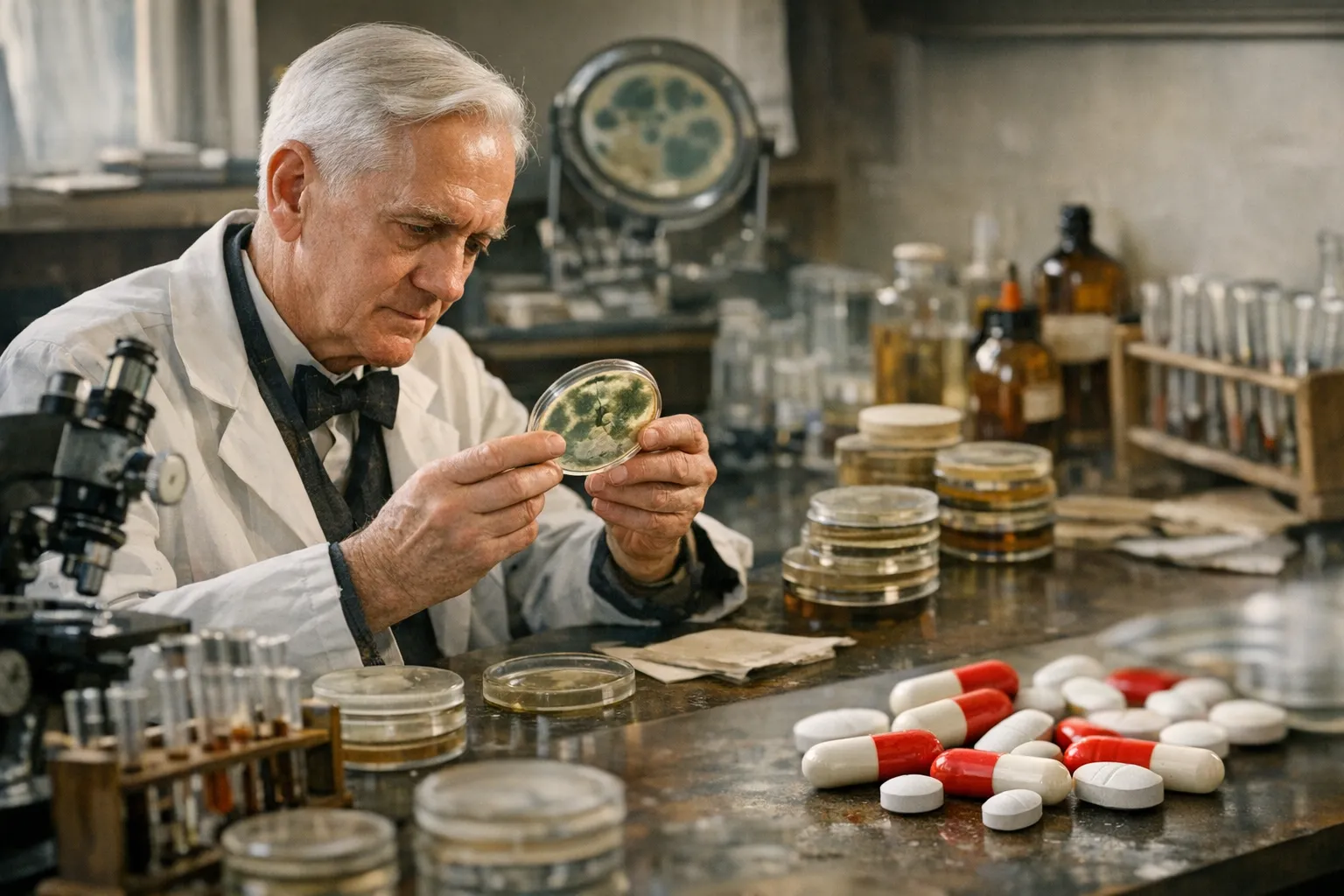
In this article, we will explore the historical significance of Fleming's discovery, detailing how penicillin transformed medical practices and the ongoing implications of antibiotic resistance that challenge healthcare today. From its initial use during World War II to the complexities of modern treatment, the legacy of penicillin is a testament to both innovation and caution in medical science.
The Serendipitous Discovery of Penicillin
In 1928, Alexander Fleming stumbled upon a groundbreaking discovery at St. Mary's Hospital in London. While examining petri dishes, he noticed that a mold contaminant, later identified as Penicillium notatum, was inhibiting the growth of Staphylococcus aureus bacteria. This unexpected observation marked the beginning of the antibiotic era.
Fleming's keen eye for detail led him to realize that the mold was producing a substance that killed surrounding bacteria, a phenomenon that would lay the groundwork for antibiotics. His findings were pivotal; they transformed how bacterial infections were treated and ultimately saved countless lives.
- Mold Observation: The chance discovery occurred in a cluttered lab, emphasizing how scientific breakthroughs can emerge from seemingly mundane situations.
- Bacteria Affected: The specific bacteria, Staphylococcus aureus, is a common pathogen, illustrating the immediate relevance of Fleming's discovery.
- Legacy: This serendipitous event not only revolutionized medicine but also established a legacy that continues to influence medical research and practices today.
As Fleming himself remarked, "One sometimes finds, what one is not looking for." This analogy perfectly captures the essence of his discovery, highlighting that significant advancements can arise from unexpected moments in science. The implications of penicillin were profound, leading to its development into a widely used treatment by 1941, significantly reducing mortality rates from bacterial infections, especially during World War II.
However, the widespread use of penicillin has also led to a pressing concern: antibiotic resistance. As bacteria adapt and evolve, the very treatments that have saved lives are now facing challenges, making ongoing research into antibiotic alternatives crucial. For a deeper exploration of these issues, visit Understanding Antibiotic Resistance.
The Path to Therapeutic Use
The journey of penicillin from a serendipitous discovery to a vital therapeutic agent is marked by significant scientific advancements and historical urgency. In 1928, Alexander Fleming discovered penicillin at St. Mary's Hospital in London when he noticed that a mold contaminant, Penicillium notatum, inhibited the growth of Staphylococcus aureus. However, it wasn't until 1939 that Howard Florey and Ernst Boris Chain successfully isolated and purified penicillin, paving the way for its therapeutic application by 1941.
Despite its promise, the purification of penicillin faced substantial challenges. The initial yields were low, and the extraction process was inefficient. Researchers had to develop methods to produce penicillin in sufficient quantities, which was no small feat. Florey and Chain's innovative techniques, including deep-tank fermentation, were crucial in overcoming these hurdles.
The urgency of World War II accelerated the push for penicillin production. As soldiers returned home with bacterial infections, the need for effective treatments became critical. Penicillin's ability to save lives during this period was likened to "finding a needle in a haystack, but that needle could stitch the wounds of war." The mass production of penicillin not only revolutionized treatment for bacterial infections but also established antibiotic therapy as a cornerstone of modern medicine.
However, the widespread use of penicillin also brought about unforeseen consequences. The emergence of antibiotic-resistant bacteria poses significant challenges for contemporary healthcare, reminding us of the ongoing implications of this historic discovery. For a deeper dive into the historical context and challenges related to antibiotics, visit our History of Antibiotics page or learn more about the pressing issue of Antibiotic Resistance.
Revolutionizing Medicine: The Impact of Penicillin
The discovery of penicillin in 1928 by Alexander Fleming marked a turning point in medical history, fundamentally altering how bacterial infections are treated. This revolutionary antibiotic drastically reduced mortality rates from previously fatal infections, saving countless lives.
Key Impacts of Penicillin:
-
Reduction in Mortality Rates: Before penicillin, bacterial infections like pneumonia and sepsis often resulted in death. Its therapeutic use during World War II exemplified its life-saving potential, dramatically lowering death rates in soldiers from infections.
-
Inspiration for Additional Antibiotics: Penicillin laid the groundwork for the development of a wide range of antibiotics. Following its success, scientists isolated and created derivatives and new classes of antibiotics, expanding the arsenal available to combat bacterial diseases.
-
Case Studies: Penicillin has been effectively used to treat various infections, including:
- Streptococcal infections: Once a leading cause of morbidity, these infections are now routinely treated with penicillin.
- Syphilis: The antibiotic revolutionized treatment, turning a once-dreaded disease into a manageable condition.
- Endocarditis: Penicillin’s effectiveness in treating this serious heart infection showcases its critical role in modern medicine.
As Fleming himself noted, “Penicillin cures, but the disease knows its own way.” This analogy underscores the ongoing battle between antibiotic efficacy and the adaptability of bacteria.
While the benefits of penicillin are undeniable, the widespread use has led to challenges, particularly the emergence of antibiotic-resistant bacteria. This growing concern complicates treatment options and highlights the need for continued research and responsible antibiotic stewardship. For more on this topic, see Understanding Antibiotic Resistance.
In summary, the impact of penicillin goes beyond its initial discovery; it has reshaped medical practices and remains a cornerstone of modern healthcare.
The Nobel Prize and Recognition
The 1945 Nobel Prize in Physiology or Medicine awarded to Alexander Fleming, Howard Florey, and Ernst Boris Chain marked a pivotal moment in medical history. Their collaborative efforts in the development of penicillin underscored its transformative potential as the world's first antibiotic. This recognition not only celebrated their groundbreaking discovery but also illuminated the beginnings of a new era in medicine.
The significance of this award extended beyond personal accolades. It catalyzed future medical research, inspiring scientists to explore antibiotics and other therapeutic agents. The Nobel Prize served as a beacon, drawing attention to the importance of microbiology and pharmacology in addressing infectious diseases. It created a ripple effect that encouraged investment in antibiotic research, leading to the development of a wide array of antibiotics.
Fleming’s legacy in the scientific community is profound. As he famously stated, “One sometimes finds what one is not looking for,” which perfectly encapsulates his serendipitous discovery of penicillin. This discovery not only saved countless lives during World War II but also laid the groundwork for ongoing research into antibiotic resistance.
As we continue to grapple with the challenges posed by antibiotic-resistant bacteria, the recognition of Fleming and his colleagues remains a crucial chapter in the story of modern medicine. Their work demonstrates how a single discovery can alter the trajectory of healthcare and inspire generations of researchers.
For more on the ongoing challenges of antibiotics, check out our articles on the History of Antibiotics and Understanding Antibiotic Resistance.
The Rise of Antibiotic Resistance
The discovery of penicillin in 1928 by Alexander Fleming marked the beginning of a new era in medicine. However, this revolutionary advancement has also led to significant challenges, particularly the emergence of antibiotic-resistant bacteria. Over the decades, the prevalence of antibiotic resistance has escalated, posing a substantial threat to public health.
-
Statistics indicate that antibiotic resistance has been on the rise since the 1980s, with estimates suggesting that it now affects millions globally. Reports show a notable increase in resistant strains of bacteria, complicating treatment options.
-
Examples of resistant bacteria include Staphylococcus aureus, which has developed methicillin-resistant strains (MRSA), and Enterococcus faecium, known for its resistance to vancomycin. These bacteria can cause severe infections and are increasingly difficult to treat.
The implications of antibiotic resistance for modern medicine are profound. Surgical procedures, chemotherapy, and the management of chronic diseases rely heavily on effective antibiotics. As resistance spreads, the risk of untreatable infections rises, leading to longer hospital stays, higher medical costs, and increased mortality rates.
"Antibiotic resistance is like a race where the bacteria have the advantage; the more we use antibiotics, the faster they evolve."
The legacy of Fleming's discovery continues to influence medical research and practice, but it also serves as a stark reminder of the responsibility that comes with antibiotic use. Understanding and addressing antibiotic resistance is crucial for safeguarding the future of healthcare. For further insights, you can explore Understanding Antibiotic Resistance and the History of Antibiotics.
Myth vs. Reality: Understanding Antibiotic Resistance
Antibiotic resistance is often surrounded by misconceptions that can hinder effective public health strategies. Here are some common myths contrasted with the reality of the situation.
-
Myth: Antibiotic resistance is only a problem for hospitals.
Many believe that antibiotic resistance primarily affects healthcare settings, where vulnerable patients are treated. However, this is a narrow view. Resistance also thrives in communities, where people might misuse antibiotics for minor infections or fail to complete prescribed courses. This misuse contributes to the spread of resistant bacteria in everyday environments. -
Reality: Resistance affects community health as well.
In fact, infections from antibiotic-resistant bacteria are increasingly reported in outpatient clinics and among healthy individuals. This broad impact underscores the need for public awareness and responsible antibiotic use in all settings, not just in hospitals. -
Myth: All antibiotics are equally effective against resistant bacteria.
Another common misconception is that all antibiotics can treat any bacterial infection, regardless of resistance. This is far from true. Different antibiotics target specific bacteria in various ways. Over-reliance on certain classes of antibiotics can lead to widespread resistance, making it crucial to use the right antibiotic for the right infection.
Understanding these myths and realities is essential for combating antibiotic resistance effectively. For more insight, consider exploring the History of Antibiotics and Understanding Antibiotic Resistance.
Current Challenges in Treating Infections
The discovery of penicillin marked a pivotal moment in medicine, yet the subsequent rise of antibiotic-resistant bacteria presents a pressing challenge. Healthcare providers face a stark reality: limited options for treating resistant infections.
-
Resistance Development: Overuse and misuse of antibiotics have led to bacteria evolving resistance to multiple drugs. This complicates treatment regimens significantly, making infections harder to manage.
-
Economic Burden: The financial implications of antibiotic resistance are staggering. Healthcare systems incur increased costs due to longer hospital stays, the need for more expensive medications, and additional treatment protocols. Estimates propose that antibiotic resistance could cost the U.S. healthcare system billions annually.
-
Patient Impact: Case studies reveal the harsh realities faced by patients with resistant infections. For instance, a patient undergoing surgery may develop a resistant infection, leading to extended recovery times and increased morbidity. These cases highlight the urgent need for new treatment strategies and the importance of responsible antibiotic use.
In summary, while penicillin revolutionized medicine, the ongoing issues of antibiotic resistance threaten to undermine these advancements. Addressing this challenge requires a multifaceted approach, including better stewardship of existing antibiotics and investment in new therapeutic options. For a deeper understanding of the historical context and implications of antibiotic resistance, explore the History of Antibiotics and Understanding Antibiotic Resistance.
Future Directions in Antibiotic Research
As the threat of antibiotic resistance looms larger, researchers are exploring innovative approaches to develop new antibiotics and alternative treatments. The urgency for effective solutions is underscored by the rising number of bacteria that have developed resistance to existing drugs.
Innovative Approaches to Developing New Antibiotics
- Targeting Bacterial Communication: Scientists are investigating ways to disrupt quorum sensing, the process by which bacteria communicate and coordinate their behavior. By inhibiting this communication, it may be possible to prevent bacterial infections from establishing.
- Synthetic Biology: Researchers are leveraging synthetic biology to engineer bacteria that produce novel antibiotics. This involves modifying microorganisms to enhance their natural antibiotic capabilities or to create entirely new compounds.
The Role of Phage Therapy and Alternative Treatments
- Phage Therapy: This involves using bacteriophages, viruses that infect bacteria, as a treatment for infections. Phage therapy has shown promise in cases where antibiotics fail, particularly for antibiotic-resistant infections.
- Immunotherapy: Another avenue of research is developing treatments that enhance the immune system's ability to fight bacterial infections. By boosting the body's natural defenses, these therapies could reduce reliance on antibiotics.
Collaborative Efforts in the Scientific Community
The fight against antibiotic resistance is a global challenge, prompting collaborative efforts among scientists, healthcare providers, and policymakers.
- International Research Initiatives: Organizations worldwide are pooling resources to share data and best practices, facilitating faster development of new treatments.
- Public-Private Partnerships: Collaborations between government entities and pharmaceutical companies are crucial for funding research and bringing new antibiotics to market.
As the legacy of Alexander Fleming's discovery of penicillin continues to influence modern medicine, the ongoing efforts in antibiotic research are vital for ensuring future healthcare solutions. For a deeper dive into how antibiotics have evolved, check out our History of Antibiotics and Understanding Antibiotic Resistance.
The Legacy of Penicillin in Modern Medicine
The discovery of penicillin in 1928 by Alexander Fleming marked a pivotal moment in medical history, setting the stage for modern pharmacology. Its therapeutic potential, realized further by Howard Florey and Ernst Boris Chain in the late 1930s, revolutionized the treatment of bacterial infections. This breakthrough not only saved countless lives during World War II but also laid the groundwork for the development of numerous antibiotics that followed.
However, the widespread use of penicillin has also led to ethical considerations in antibiotic prescribing. Physicians today face the challenge of balancing effective treatment against the risk of contributing to antibiotic resistance. This dilemma underscores the need for responsible prescribing practices and guidelines, emphasizing the importance of using antibiotics only when necessary.
Public awareness plays a crucial role in combating antibiotic resistance. As bacteria evolve, developing resistance to multiple drugs, education becomes vital. Campaigns aimed at informing the public about the risks of misuse and overuse of antibiotics can help mitigate this growing concern.
In summary, the legacy of penicillin is twofold: it has transformed healthcare practices while also challenging modern medicine to address the critical issue of antibiotic resistance. Understanding this dual impact is essential for future advancements in medical treatment. For more on the implications of antibiotic use, check out our articles on History of Antibiotics and Understanding Antibiotic Resistance.
Conclusion: A Double-Edged Sword
The discovery of penicillin by Alexander Fleming in 1928 marked a revolutionary shift in medicine, saving countless lives and changing the landscape of healthcare. However, this advancement comes with a significant caveat: the rise of antibiotic resistance. The benefits of antibiotics are profound, yet they are counterbalanced by the challenges posed by bacteria that evolve to resist these drugs.
-
Benefits vs. Risks: While penicillin and its derivatives have drastically reduced death rates from bacterial infections, the overuse and misuse of antibiotics have led to the emergence of resistant strains. This duality presents a pressing issue in modern medicine, where treating infections is becoming increasingly complicated.
-
Responsible Use: It is crucial that healthcare providers, patients, and society as a whole adopt responsible antibiotic practices. This includes avoiding unnecessary prescriptions and ensuring proper adherence to treatment regimens. Education on the appropriate use of antibiotics is essential to mitigate resistance.
-
Call to Action: Ongoing research into new antibiotics and alternative treatments is vital. Public education campaigns can raise awareness about the implications of antibiotic misuse. Collaborative efforts among scientists, healthcare professionals, and policymakers are needed to combat this growing challenge.
In summary, while the discovery of penicillin ushered in a new era of medical possibilities, it also necessitates a vigilant approach to antibiotic stewardship and continuous innovation to safeguard the future of healthcare. For further reading, explore the History of Antibiotics and Understanding Antibiotic Resistance.