
Pablo Picasso’s Guernica is not just a painting; it’s a visceral response to the horrors of war that resonates through time. Created in 1937, this iconic artwork captures the chaos and suffering wrought by the bombing of the Basque town of Guernica during the Spanish Civil War. Its monochromatic palette and striking imagery compel viewers to confront the brutal realities of conflict.
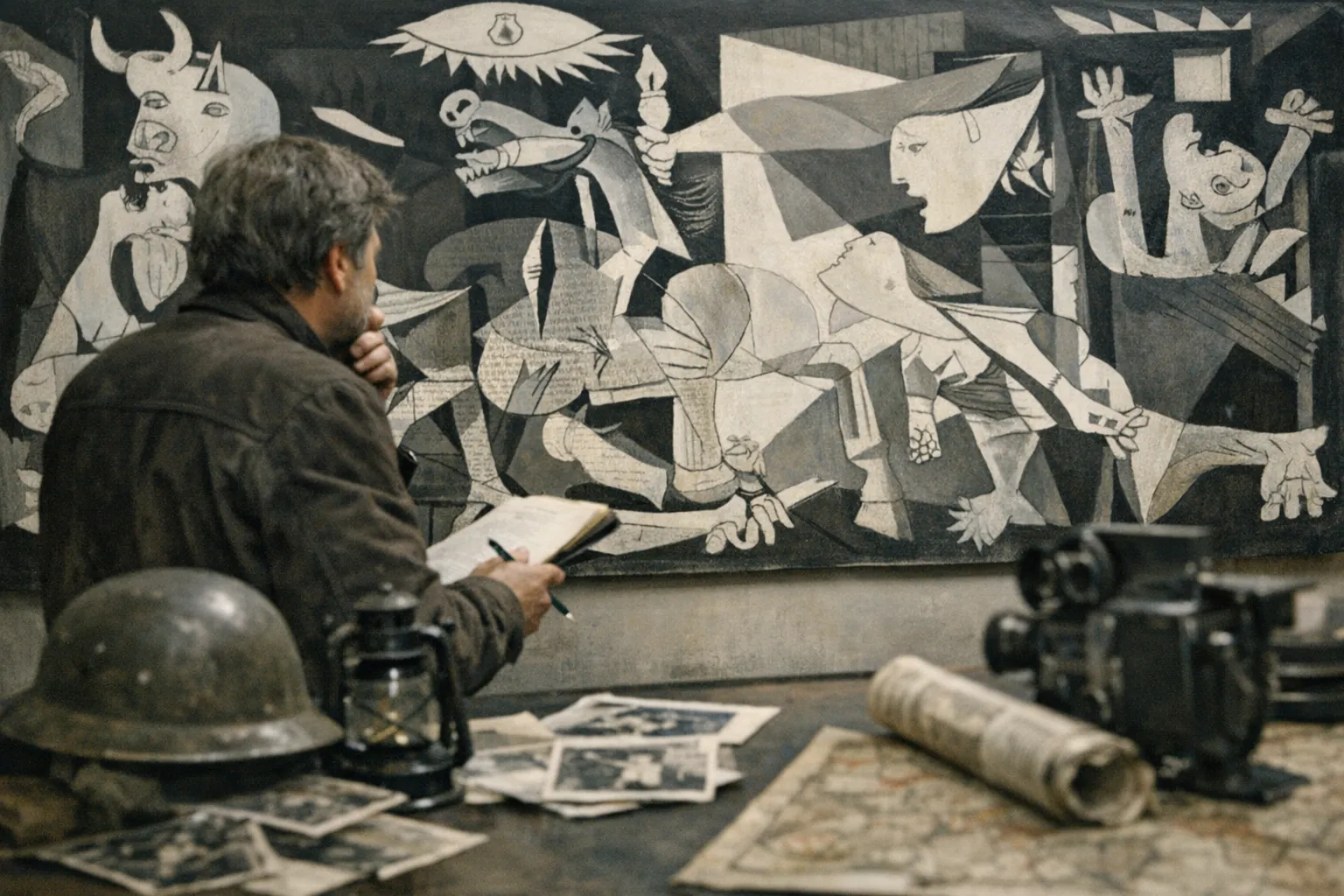
In this analysis, we will explore the historical backdrop of Guernica, examining how Picasso’s depiction of suffering transcends its immediate context to become a universal symbol against war. By delving into the painting's central figures and emotional depth, we'll uncover why Guernica continues to be relevant today, serving as a poignant reminder of the human cost of violence.
Historical Background of Guernica
The historical significance of Picasso's Guernica cannot be overstated, as it was birthed from the turmoil of the Spanish Civil War (1936-1939), a conflict that pitted Republicans against Nationalists. This war was not merely a struggle for political power; it represented a deep societal fracture, with profound implications for the future of Spain. The conflict drew international attention, becoming a battleground for ideologies, and set the stage for World War II.
On April 26, 1937, the small Basque town of Guernica was bombed by Nazi German aircraft supporting Francisco Franco's Nationalists. This brutal attack resulted in widespread destruction and civilian casualties, shocking the world. Estimates suggest that hundreds of innocent lives were lost, and the town itself was left in ruins. The bombing was intended to instill terror in the Basque region, a stronghold of Republican resistance.
The impact on the Basque community was devastating. Families were torn apart, and the sense of security vanished overnight. The imagery of suffering—echoed in Picasso's artwork—captures this trauma. The central figures, such as a gored horse and screaming women, reflect the chaos and brutality of war. As one observer noted, "Guernica is a shattered mirror reflecting the agony of humanity."
Picasso's Guernica has since transcended its immediate context, becoming a universal symbol against war. Its monochromatic palette of black, white, and gray intensifies the emotional weight of the suffering depicted. The painting remains relevant today, as leaders like Ukrainian President Volodymyr Zelenskyy have drawn parallels between its themes and contemporary conflicts.
For a deeper understanding of the Spanish Civil War, you can explore more here. To learn about Picasso's life and work, visit this link.
Picasso's Artistic Journey Leading to Guernica
Pablo Picasso's evolution as an artist was marked by significant shifts in style and emotional depth, culminating in the powerful creation of Guernica in 1937. Understanding this journey provides insight into the profound impact of the painting.
Key Influences in Picasso's Early Career
Early in his career, Picasso was influenced by a variety of movements and mentors. The Blue Period (1901-1904) showcased his exploration of melancholy themes, while the Rose Period (1904-1906) introduced lighter tones and circus motifs. His exposure to African art and Iberian sculptures further broadened his artistic vocabulary, laying the groundwork for groundbreaking styles like Cubism.
Transition from Cubism to a More Expressive Style
By the time of Guernica, Picasso had transitioned from the analytical and synthetic approaches of Cubism to a more expressive and emotive style. This shift enabled him to convey deeper emotional narratives, particularly in response to societal turmoil. The monochromatic palette of Guernica—black, white, and gray—intensifies this emotional impact, stripping away distractions to focus on the suffering depicted.
Personal Motivations Behind Guernica
The bombing of the Basque town of Guernica during the Spanish Civil War was a pivotal moment for Picasso. He described the event as "a wound in the heart." This personal connection fueled his desire to create a work that not only documented the chaos but also served as a universal statement against the brutality of war. Central figures in the painting—like the gored horse and the screaming women—symbolize the chaos and suffering that war inflicts on humanity.
In sum, Picasso's artistic journey leading to Guernica reflects a deepening engagement with both personal and collective trauma, transforming his work into a timeless anti-war symbol. As the painting endures, it continues to resonate with contemporary issues, reminding us of the human cost of conflict. For further exploration of Picasso's life, visit Explore more about Pablo Picasso.
The Monochromatic Palette: Emotional Impact
Picasso's Guernica is striking not only for its subject matter but also for its deliberate use of a monochromatic palette of black, white, and gray. This choice amplifies the emotional resonance of the work, enhancing the portrayal of suffering inherent in the chaos of war.
The absence of color creates a stark environment, one that feels urgent and raw. Black and white evoke a sense of mourning, while gray introduces a feeling of despair. Together, these shades strip the scene of any distractions, forcing the viewer to confront the pain and agony depicted. Central figures such as the gored horse, screaming women, and a dead baby become emblematic of the brutality of conflict, each element heightened by the monochrome scheme.
This approach to color contrasts sharply with other notable works in art history. For instance, Edvard Munch’s The Scream employs vivid colors to express anxiety, whereas Picasso’s palette serves to reflect the somber reality of human suffering. The emotional depth in Guernica is palpable; as one observer noted, “It’s as if the canvas bleeds in protest.”
The enduring relevance of Guernica can be seen through its impact on contemporary discussions about war. References to the painting continue to emerge, highlighting its role as a universal symbol against dehumanization. Notably, Ukrainian President Volodymyr Zelenskyy visited the painting in 2022, drawing parallels between its depiction of suffering and the ongoing crisis in Ukraine.
In a world rife with conflict, Picasso's monochromatic palette stands as a powerful reminder of the human cost of war. For more on Picasso and his influential works, explore more about Pablo Picasso: https://example.com/pablo-picasso.
Central Figures and Their Symbolism
In Picasso's Guernica, each central figure serves as a poignant reflection of the chaos and brutality wrought by war. The emotional depth of these characters invites viewers to engage with the artwork on a visceral level.
-
The Gored Horse: At the forefront, the horse embodies suffering and agony. Its contorted form and expression capture the pain experienced by both individuals and communities during conflict. The image resonates with the idea that war inflicts trauma not only on soldiers but also on innocent civilians.
-
The Bull: Representing brutality and chaos, the bull stands as a symbol of raw, unchecked violence. Its aggressive posture conveys a sense of impending doom, reflecting the merciless nature of war. This figure's presence suggests that chaos can emerge not just from external forces but also from deep within humanity itself.
-
Screaming Women and Dead Baby: The depictions of screaming women holding a dead baby are among the most heart-wrenching elements of the painting. They symbolize the profound loss experienced by families and the generational impact of conflict. As one observer noted, “The pain of a mother is the loudest scream in the silence of war.” This imagery encapsulates the emotional turmoil that war inflicts on the most vulnerable.
Through these figures, Guernica becomes more than just a representation of the Spanish Civil War; it transforms into a universal commentary on the human cost of violence. The monochromatic palette enhances this emotional weight, allowing viewers to feel the stark reality of suffering depicted on the canvas.
For further exploration of the context, consider reading about Pablo Picasso and the Spanish Civil War.
Guernica as a Global Anti-War Symbol
Pablo Picasso's Guernica has transcended its original context as a response to the 1937 bombing of a Basque town, evolving into a universal symbol against the horrors of war. The painting's monochromatic palette amplifies its emotional resonance, capturing the chaos and brutality through imagery of a gored horse, a bull, and the agonized faces of women and children.
Historically, Guernica has been exhibited worldwide, serving as a poignant reminder of the human cost of conflict. Each display reignites discussions around war and peace, placing the artwork at the forefront of anti-war movements.
In a notable instance, Pope Leo XIV referenced Guernica in his encyclical in 2026, emphasizing its role as a symbol against dehumanization. His words reinforced the painting's capacity to resonate across different contexts and eras, reminding us that the lessons of the past remain relevant today.
Furthermore, Ukrainian President Volodymyr Zelenskyy's visit to Guernica in 2022 underscored this connection. He drew parallels between the suffering depicted in the painting and the ongoing turmoil faced by Ukraine, illustrating how Guernica continues to embody the struggle against oppression and violence.
"Art speaks where words are unable to explain."
As a result, Guernica stands not just as a historical artifact but as a living dialogue on the costs of war, urging reflection and action in the face of ongoing conflicts. Its enduring relevance is a testament to Picasso's profound understanding of human suffering and the universal quest for peace.
Contemporary Relevance of Guernica
Picasso's Guernica remains a poignant touchstone in today's discussions about war and its ramifications. The themes encapsulated in the painting resonate deeply with various contemporary conflicts, illustrating the ongoing human cost of violence.
Current Conflicts
- Ukraine: The parallels drawn by Ukrainian President Volodymyr Zelenskyy in 2022 highlight how Guernica reflects the suffering experienced during the war. The imagery of destruction and chaos mirrors the current realities faced by civilians.
- Middle East: Ongoing conflicts in regions like Syria and Yemen echo the brutality depicted in Guernica, with innocent lives caught in the crossfire.
Artistic Responses
Artists today continue to respond to warfare in ways reminiscent of Picasso's approach. Modern installations, murals, and performances often draw on Guernica’s themes:
- Street Art: Murals depicting the impacts of war have emerged in urban areas, using stark imagery to evoke emotional responses similar to those elicited by Guernica.
- Documentaries: Films and video projects explore the human stories behind contemporary conflicts, often referencing Guernica as a historical backdrop for understanding current events. For instance, look at this documentary that dives into the modern implications of Picasso's work.
Public and Political References
Guernica's influence extends beyond the art world into political discourse. In 2026, Pope Leo XIV referenced the painting in his encyclical, underscoring its role as a universal symbol against dehumanization. This acknowledgment illustrates how Guernica transcends its historical context, becoming a beacon for advocating peace and humanity.
The enduring relevance of Picasso's Guernica is not only a testament to its artistic brilliance but also its capacity to inspire reflection on the devastating impacts of war, urging us to confront the realities of conflict in our time.
Myths vs. Reality: Misconceptions About Guernica
Picasso's Guernica is often misunderstood, leading to several prevalent myths that overlook its broader implications and artistry.
-
Myth: Guernica is solely about the Spanish Civil War.
While the painting was indeed a response to the bombing of the Basque town of Guernica in 1937, its themes extend beyond this specific conflict. The chaos and brutality depicted resonate universally, making it relevant to various wars and human suffering throughout history. For instance, Ukrainian President Volodymyr Zelenskyy drew parallels between the painting and the ongoing conflict in Ukraine, emphasizing its timeless message against the dehumanization of war. -
Myth: Picasso's style detracts from the message.
Some critics argue that Picasso’s abstract style obscures the emotional weight of the piece. In reality, the monochromatic palette of black, white, and gray enhances the painting's emotional impact, intensifying the suffering portrayed. Central figures such as the gored horse, screaming women, and a dead baby serve as powerful symbols of trauma and despair, making the viewer confront the harsh realities of conflict.
These misconceptions underestimate Guernica's significance as a universal anti-war symbol, a point underscored by its continued relevance in contemporary discussions about the human cost of war. For more on Picasso, explore Pablo Picasso or learn about the Spanish Civil War.
Step-by-Step Analysis of Guernica
Picasso's Guernica is a masterclass in visual storytelling, using composition, light, and narrative flow to convey profound emotional depth.
Breaking Down the Composition and Layout
The painting is a chaotic amalgamation of forms, featuring central figures like a gored horse and a dismembered soldier. These elements are arranged in a way that pulls the viewer's eye across the canvas, creating a sense of urgency and despair. The triangular layout, with the horse at the center, emphasizes the turmoil, while the surrounding figures—screaming women and a bull—add layers of suffering and chaos.
Analyzing the Use of Light and Shadow
Picasso's monochromatic palette of black, white, and gray enhances the emotional intensity of Guernica. The stark contrasts between light and shadow create a dramatic atmosphere, emphasizing the horror and anguish depicted. For example, the bright highlights on the horse's body juxtapose the dark shadows surrounding the fallen soldier, amplifying the sense of tragedy.
Understanding the Narrative Flow
The narrative within Guernica unfolds like a visual symphony, guiding the viewer through the horrors of war. Each figure contributes to a larger story of loss and chaos. The dead baby cradled in the woman's arms juxtaposes the bull's aggressive stance, illustrating the brutality of conflict. This flow not only engages the viewer visually but also emotionally, prompting a reflection on the real human costs of war.
Through this detailed analysis of Guernica, we can appreciate how Picasso crafted an enduring symbol of anti-war sentiment that resonates powerfully even today.
FAQs About Guernica
What inspired Picasso to create Guernica?
Picasso's Guernica was born out of a visceral response to the bombing of the Basque town of Guernica during the Spanish Civil War in 1937. The atrocity shocked the world and prompted Picasso to channel his outrage and despair into this monumental work. The event highlighted the horrors of war, making it a catalyst for his creativity.
How has Guernica been received over the years?
Since its unveiling, Guernica has been widely recognized and displayed globally, becoming a powerful symbol against war. Its reception has evolved, with the painting being referenced in various contexts, such as Pope Leo XIV's 2026 encyclical, where he cited it as a universal symbol against dehumanization. Additionally, Ukrainian President Volodymyr Zelenskyy visited the painting in 2022, drawing parallels between its themes and the current conflicts faced by Ukraine.
What are the main themes depicted in Guernica?
Guernica encapsulates several poignant themes, including:
- Chaos and Brutality: Central figures like the gored horse and dismembered soldier depict the devastation wrought by violence.
- Suffering: The monochromatic palette enhances the emotional weight, illustrating the pain of the victims—screaming women and a dead baby.
- Human Cost of War: The painting serves as a stark reminder of the suffering caused by conflict, maintaining its relevance in contemporary discussions about war.
By addressing these themes, Picasso's Guernica continues to resonate deeply, emphasizing the enduring impact of human suffering in times of conflict. For more insights, explore more about Pablo Picasso here or learn about the Spanish Civil War here.
Conclusion: The Enduring Legacy of Guernica
Pablo Picasso's Guernica has transcended its origins to become a pivotal icon in anti-war movements across the globe. Its stark, monochromatic palette and haunting imagery serve as a universal reminder of the human cost of conflict. The gored horse, dismembered soldier, and screaming figures encapsulate the chaos and brutality of war, prompting viewers to reflect on the suffering endured by innocent civilians.
The painting's impact is not confined to its historical context; it continues to resonate in contemporary discussions surrounding war and peace. For instance, in 2026, Pope Leo XIV cited Guernica in an encyclical, emphasizing its role as a symbol against dehumanization. Similarly, Ukrainian President Volodymyr Zelenskyy visited the painting in 2022, drawing parallels between the devastation depicted in Guernica and the current experiences of his country amidst conflict.
Looking ahead, Guernica stands as a powerful reminder for artists and activists alike. It challenges creators to use their platforms to address societal issues, urging them to reflect on the consequences of violence. As we navigate an increasingly tumultuous world, Picasso's masterpiece will undoubtedly remain a touchstone for future generations advocating for peace and justice.
In summary, Guernica is not just a painting; it is a clarion call for humanity, bridging the past with the present and future. Its legacy endures as a potent symbol of resistance against war and a poignant reminder of our shared responsibility to empathize with the suffering of others.
Explore more about Pablo Picasso: https://example.com/pablo-picasso
Learn about the Spanish Civil War: https://example.com/spanish-civil-war