
The Mona Lisa is more than just a painting; it’s an icon that has captivated audiences for centuries. Painted by Leonardo da Vinci between 1503 and 1519, this masterpiece combines innovative artistic techniques with a rich historical backdrop.
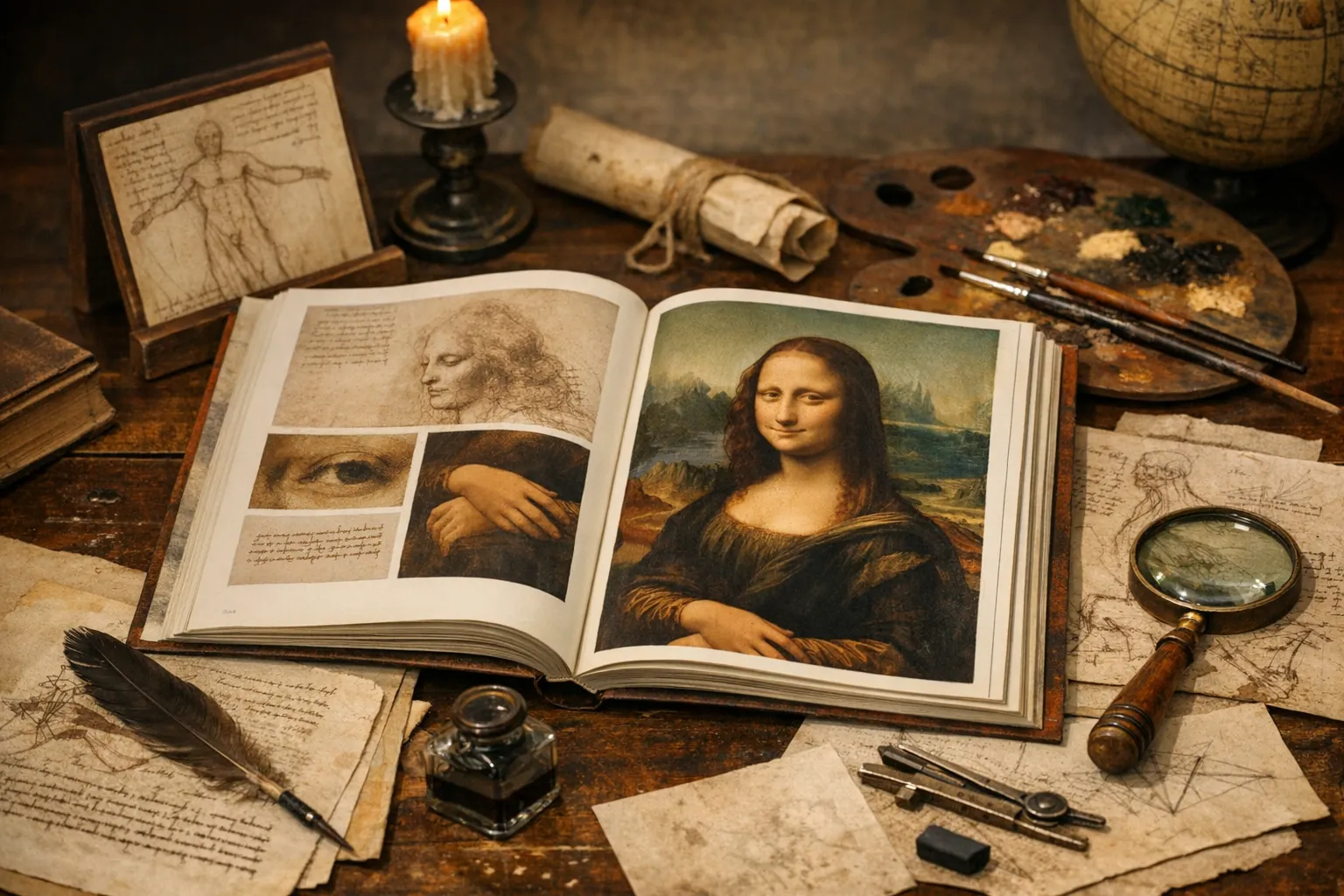
In this article, we will delve into the intricacies of the Mona Lisa, exploring its groundbreaking methods, such as the use of sfumato and atmospheric perspective. We'll also examine the historical context surrounding its creation, including the identity of the subject, Lisa del Giocondo, and how da Vinci's understanding of human anatomy shaped the work. Join us as we uncover the layers behind this enigmatic artwork and its enduring significance in the art world.
Introduction to the Mona Lisa
Leonardo da Vinci's Mona Lisa, created between 1503 and 1519, stands as a monumental achievement in the realm of art. This oil painting, rendered on a poplar wood panel, features Lisa del Giocondo, the wife of a wealthy Florentine merchant. The painting's creation coincided with the height of the Italian Renaissance, a period marked by a resurgence of interest in art, science, and humanism.
The Mona Lisa has captivated audiences for centuries, gaining fame as one of the most recognized works of art worldwide. Displayed in the Louvre Museum in Paris, it draws millions of visitors annually, each hoping to glimpse the enigmatic smile that has inspired countless interpretations and discussions. As art critic Robert Hughes famously put it, “Like a great novel, it invites you to read it over and over.”
Central themes of the painting include beauty, mystery, and artistry. Leonardo's masterful use of the sfumato technique creates soft transitions between light and shadow, eliminating harsh outlines and enhancing the painting's allure. Additionally, the three-quarter profile pose was innovative for its time, diverging from the traditional profile depictions in Italian art.
Moreover, the atmospheric perspective in the background serves to deepen the viewer's engagement, creating a sense of distance that invites contemplation. Despite the yellowing varnish that has altered its appearance over time, the Mona Lisa continues to shine, embodying the complexities of human emotion and artistry.
The Artistic Techniques of Leonardo da Vinci
Leonardo da Vinci's Mona Lisa is a masterclass in artistic techniques that have captivated viewers for centuries. One of the most notable methods he employed is sfumato, a technique characterized by the subtle blending of colors and tones. This approach eliminates harsh outlines, creating soft transitions that enhance the lifelike quality of the subject. As the renowned art critic John Ruskin once noted, “Sfumato is to painting what the atmosphere is to the earth—a gentle, enveloping presence.”
In addition to sfumato, Leonardo skillfully utilized atmospheric perspective in the background of the painting. By employing gradations of color and light, he created a sense of depth that draws the viewer’s eye into the distant landscape. This technique not only adds realism but also enhances the three-dimensionality of the composition, making it feel more immersive.
The three-quarter profile pose of the Mona Lisa marks a significant departure from the standard profile poses typical in Italian art at the time. This pose allows for a more dynamic interaction between the viewer and the subject, inviting contemplation of her enigmatic expression. This innovation reflects Leonardo's understanding of human anatomy, derived from his extensive studies, allowing for a more naturalistic representation.
Together, these techniques contribute to the Mona Lisa's enduring allure and its status as a quintessential work of Renaissance art.
Understanding Sfumato: A Closer Look
Sfumato, derived from the Italian word "sfumare," meaning "to evaporate," is a painting technique that Leonardo da Vinci masterfully employed in the Mona Lisa. This approach involves the subtle blending of colors and tones, eliminating harsh outlines to create soft transitions between light and shadow. Historically, sfumato marked a significant departure from the rigid forms typical of earlier Renaissance art, allowing for more lifelike and atmospheric representations.
Leonardo's skillful use of sfumato can be seen in several of his other works, such as Virgin of the Rocks and The Last Supper. In these pieces, the technique enhances depth and realism, guiding the viewer's eye to focus on the emotional expressions of the subjects.
The impact of sfumato on the viewer's perception of the Mona Lisa is profound. It creates an almost ethereal quality to her smile and gaze, inviting endless interpretation. As one art critic noted, “Viewing the Mona Lisa is like engaging in a conversation with a friend whose expression keeps shifting.” This fluidity contributes to the painting's enduring mystique and allure.
In the context of the Mona Lisa, sfumato not only showcases Leonardo's technical prowess but also enhances the emotional depth of the portrait, allowing viewers to connect with Lisa del Giocondo's enigmatic presence. The gentle transitions of light and shadow draw us into her world, making the experience of viewing the painting both intimate and compelling.
Historical Context: The Renaissance Era
The Renaissance, spanning roughly from the 14th to the 17th century, marked a profound cultural movement that revived interest in classical art, philosophy, and sciences. Emerging in Italy, this period celebrated humanism—an intellectual stance that emphasized the value of human beings and the study of classical texts. Art became a vital tool for expression and exploration of this newfound human-centric worldview.
In Renaissance society, art was not merely decoration; it served multiple purposes. It conveyed religious narratives, showcased the wealth and power of patrons, and reflected the changing values of the times. Artists were often seen as intellectuals, and their works were public displays of innovation and skill. This era witnessed the rise of masterpieces that would become cornerstones of Western art.
Leonardo da Vinci stood out among his contemporaries, not just as an artist but as a polymath. His works, including the 'Mona Lisa,' exemplified the Renaissance ideals of blending art with science. He was known for his meticulous studies of anatomy and perspective, which informed his artistic techniques. As art historian Kenneth Clark famously noted, “Leonardo is the bridge between art and science,” highlighting his unique position in the Renaissance pantheon.
- Overview of the Renaissance: A revival of classical learning and values.
- Role of Art: Conveyed religious themes, showcased wealth, and reflected societal changes.
- Leonardo's Position: A polymath who blended artistic skill with scientific inquiry.
The 'Mona Lisa,' painted between 1503 and 1519, showcases Leonardo's mastery of techniques like sfumato and atmospheric perspective. These methods not only enhanced the painting's depth but also contributed to its enduring mystique. Today, it remains a pilgrimage site at the Louvre Museum, captivating millions with its enigmatic smile, a testament to the enduring legacy of the Renaissance era.
The Subject of the Mona Lisa: Who is She?
The woman depicted in the Mona Lisa is widely believed to be Lisa del Giocondo, the wife of Francesco del Giocondo, a prosperous Florentine merchant. This identification is significant not only because it ties the painting to a specific individual but also reflects the social dynamics of Renaissance Florence, where portraiture often served to elevate the status of the subject.
The alternative title, 'La Gioconda,' derives from Lisa's married name and highlights the painting's connection to her identity. The title emphasizes the personal and familial dimensions of the artwork, which was not merely a study of aesthetics but a reflection of social standing and familial pride.
During the Renaissance, societal norms regarding portraiture were evolving. Portraits were not just about capturing likeness; they were also about conveying virtue, wealth, and social status. In this context, Leonardo's choice to portray Lisa in a three-quarter profile was groundbreaking. This departure from the traditional profile pose allowed for a more intimate and engaging representation, inviting viewers to connect with her on a personal level.
As one art historian aptly put it, “A portrait is a window to the soul.” In the case of the Mona Lisa, her enigmatic smile and captivating gaze have led to centuries of speculation about her inner thoughts and emotions, making her a timeless symbol of mystery.
The Mona Lisa, now housed in the Louvre Museum in Paris, continues to be a focal point for art enthusiasts and casual visitors alike. Despite the wear of time, which has affected its color balance, her iconic expression remains striking, ensuring that Lisa del Giocondo's legacy endures.
The Mona Lisa's Journey to the Louvre
The journey of the Mona Lisa from its creation in Italy to its current home in the Louvre Museum is as captivating as the painting itself. Painted by Leonardo da Vinci between 1503 and 1519, the artwork was originally commissioned for Francesco del Giocondo, a wealthy Florentine merchant, and is believed to depict his wife, Lisa del Giocondo.
After Leonardo's death in 1519, the painting changed hands several times before being acquired by King Francis I of France, who brought it to the royal collection. This transition marked the beginning of its fame, as it moved from a private commission to royal possession.
Display in the Louvre
Today, the Mona Lisa is prominently displayed in the Louvre Museum in Paris, where it has become an iconic symbol of art and culture. The museum attracts millions of visitors annually, and the painting itself has become a pilgrimage site for art lovers. Its glass case, designed to protect it from damage and environmental factors, ensures that it remains a centerpiece of the museum.
Impact of Location on Fame
The location of the Mona Lisa has significantly impacted its fame. Being housed in the Louvre, one of the largest and most visited museums in the world, has propelled it into the global spotlight. The painting is often described as "the most famous painting in the world," akin to a "rock star in the realm of art."
This fame has led to various interpretations and discussions about the painting, further enhancing its mystique. Despite the varnish aging and darkening over time, affecting its original color balance, the Mona Lisa continues to captivate audiences with her enigmatic smile and gaze.
In summary, the Mona Lisa's journey to the Louvre is not just a tale of art but a reflection of its enduring legacy and significance in art history.
The Enigmatic Smile: Interpretations and Theories
The smile of the Mona Lisa has captivated audiences for centuries, leading to a myriad of interpretations. Some viewers see it as a symbol of serenity and contentment, while others interpret it as a hint of melancholy. This duality has sparked debates among art historians and psychologists alike.
Psychological theories suggest that facial expressions can evoke complex emotions. The Mona Lisa's smile, with its subtlety, engages the viewer's mind, prompting them to project their own feelings and interpretations. For example, research indicates that ambiguous facial expressions can elicit varied responses depending on the observer's mood and context.
This enigmatic quality significantly enhances the painting's allure. As one art critic aptly noted, "Her smile is like a riddle, inviting you to solve it, yet never quite revealing its answer." The mystery surrounding her expression invites endless speculation, contributing to the painting's status as a timeless masterpiece.
Throughout history, interpretations of her smile have evolved. During the Renaissance, it was often viewed through a lens of divine beauty, while modern interpretations might delve into more psychological nuances. Regardless of the angle, the smile remains a focal point, capturing imaginations and inviting viewers to contemplate what lies beneath the surface.
As the Mona Lisa continues to draw millions to the Louvre Museum, her smile endures as a testament to Leonardo da Vinci's unparalleled skill and the depth of human emotion.
Preservation Challenges: The Varnish Dilemma
The preservation of the Mona Lisa faces significant challenges, primarily due to the effects of varnish. Over the centuries, the original varnish applied by Leonardo da Vinci has yellowed and darkened, altering the painting's color balance and obscuring its delicate details. This transformation can diminish the visual impact of the sfumato technique that defines the work, which relies on subtle transitions between colors and tones.
Restoration efforts have been a double-edged sword. While they aim to restore the painting to its former glory, they also raise ethical questions about the integrity of the original artwork. For example, removing the aged varnish risks damaging the underlying layers of paint, which could lead to irreversible changes. Art conservators often liken this dilemma to "trying to revive a long-dead flower without disturbing its roots."
Public perception of the Mona Lisa is heavily influenced by its visible condition. The painting's enigmatic smile and gaze continue to captivate audiences, yet the darker, altered tones can shift the viewer's experience. Many visitors to the Louvre Museum expect a vibrant masterpiece, only to find it dulled by time and intervention. This reality can lead to mixed feelings, as the historical significance of the painting becomes entangled with its current state.
In summary, the varnish dilemma underscores the delicate balance between preserving a masterpiece and maintaining its historical authenticity. The ongoing dialogue about the Mona Lisa’s preservation will undoubtedly shape its legacy for future generations.
Legacy and Cultural Impact of the Mona Lisa
The Mona Lisa has transcended its status as a mere painting to become a cultural icon, representing artistic achievement and human creativity. Its enigmatic smile and masterful technique continue to captivate audiences, making it one of the most recognized artworks in history.
In popular culture, the Mona Lisa has been referenced and parodied across various media. From films like The Da Vinci Code to songs and advertisements, her image often symbolizes mystery and allure. The painting's influence even extends to fashion, where designers have drawn inspiration from its aesthetics, integrating its motifs into contemporary clothing lines.
Contemporary artists also look to the Mona Lisa for inspiration. Many have reinterpreted her image, exploring themes of identity, femininity, and the nature of beauty. For instance, street artists have created murals that play with her iconic smile, adding layers of social commentary.
"The Mona Lisa is like a mirror; she reflects the viewer's emotions and thoughts, revealing as much about us as about her."
Displayed at the Louvre Museum in Paris, the Mona Lisa attracts millions of visitors each year, reinforcing her status as an object of pilgrimage in the 21st century. Despite the passage of time and changes in her appearance due to varnish yellowing, her allure remains undiminished, continuing to inspire awe and discussion around the globe.
Conclusion: The Enduring Mystery of the Mona Lisa
The Mona Lisa, painted by Leonardo da Vinci between 1503 and 1519, remains one of the most celebrated works of art in history. Its significance stems from a combination of innovative artistic techniques and a rich historical backdrop. Leonardo's masterful use of sfumato, blending colors to create soft transitions and eliminate harsh outlines, gives the painting its iconic softness. Moreover, his application of atmospheric perspective enhances depth, making the background appear distant and ethereal.
The mystery surrounding the identity of the sitter, believed to be Lisa del Giocondo, adds an intriguing layer to the painting. Viewers are captivated by her enigmatic smile and gaze, which seem to invite endless interpretation. This allure is compounded by the painting's storied history, having survived centuries of intrigue, theft, and even damage.
Today, the Mona Lisa continues to attract millions of visitors to the Louvre Museum in Paris, where it stands as a testament to human creativity and innovation. Despite the yellowing varnish that has altered its appearance over time, the essence of the painting remains compelling.
In essence, the Mona Lisa encapsulates the intersection of artistry and mystery, ensuring its legacy as a timeless masterpiece. This blend of technical brilliance and enigmatic allure will likely continue to fascinate audiences for generations to come. For further exploration, consider learning more about Leonardo da Vinci here or visiting the Louvre Museum.