
Marie Curie's groundbreaking discovery of radium in 1898 not only transformed the scientific landscape but also revolutionized medical practices. By isolating this highly radioactive element, Curie opened doors to innovations that have had lasting impacts on both science and medicine.
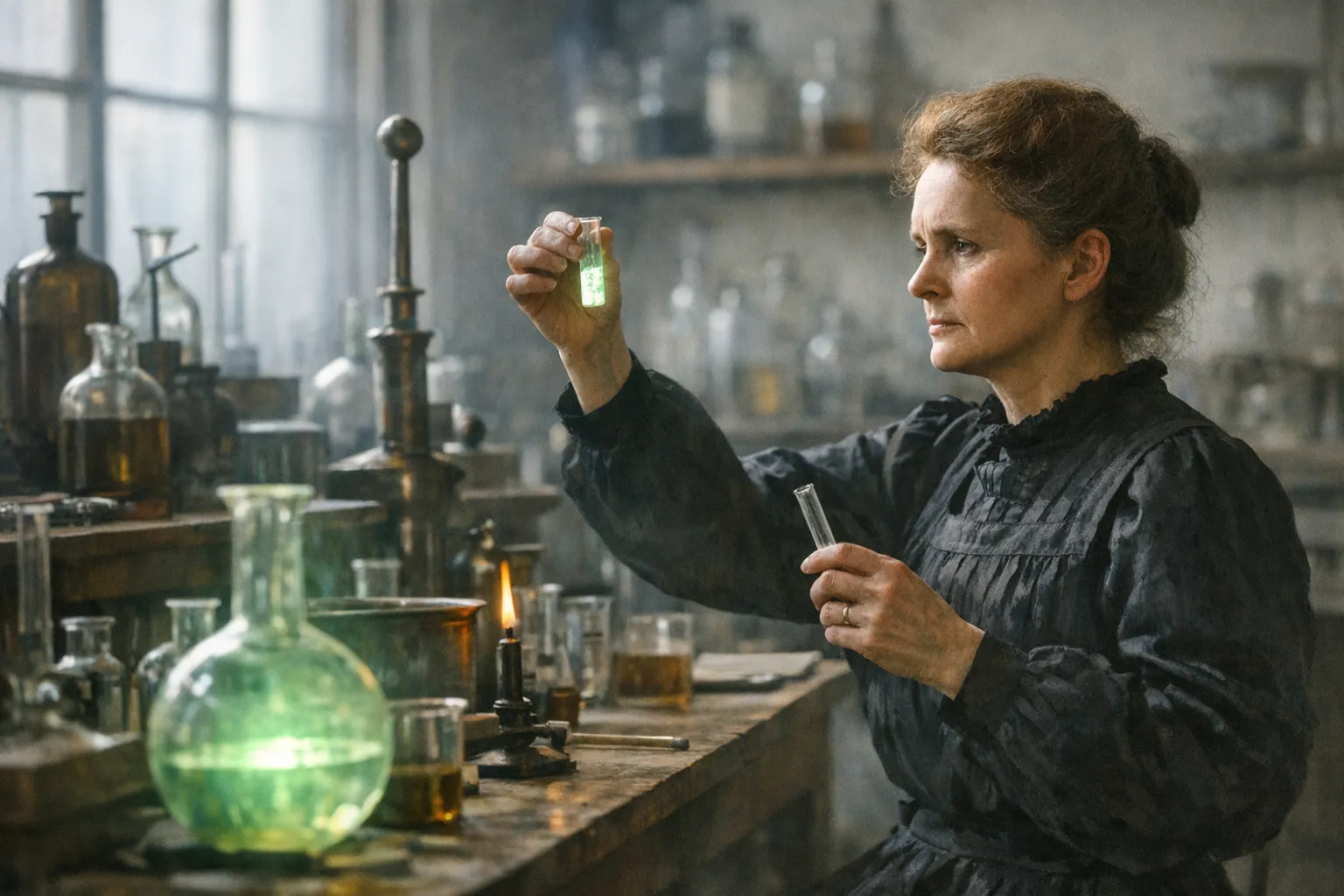
In this article, we will explore the historical significance of the Marie Curie radium discovery, detailing its implications for early cancer treatments and its role in the evolution of radiological sciences. From the Curies' Nobel Prize-winning research to the establishment of radium institutes, we will analyze how this pivotal moment in history continues to influence modern medicine and scientific inquiry.
The Historical Context of Radium's Discovery
The late 19th century was a pivotal time for the scientific community, characterized by rapid advancements in physics and chemistry. The discovery of radioactivity by Henri Becquerel in 1896 set the stage for groundbreaking research into radioactive elements. This new field ignited curiosity and competition among scientists, leading to a race for the identification and understanding of various radioactive materials.
At the forefront of this exploration were Marie Curie and her husband, Pierre Curie. Their work on radioactivity unveiled the properties of pitchblende, a uranium-rich mineral that would soon become central to their research. Pitchblende not only contained uranium but also other undiscovered elements, including radium. The Curies methodically extracted radium from pitchblende, revealing its remarkable radioactivity, which was approximately 900 times greater than that of uranium.
"The discovery of radium was like finding a hidden sun, radiating energy in a world that was oblivious to its power."
This newfound understanding of radioactivity marked a significant shift in scientific research, opening doors to various applications, particularly in medicine. The intense radioactivity of radium quickly caught the attention of medical professionals, leading to its adoption in early cancer treatments. The Curies' findings were not merely academic; they laid the groundwork for the establishment of radium institutes across Europe, fostering further research and innovation.
Marie Curie's contributions culminated in her receiving two Nobel Prizes—one in Physics in 1903 and another in Chemistry in 1911—solidifying her legacy in both science and medicine. The ramifications of the discovery of radium extend well into the 21st century, influencing diagnostic and therapeutic techniques that continue to evolve today.
The Discovery Process: How Radium Was Isolated
Marie Curie, Pierre Curie, and chemist Gustave Bémont undertook a meticulous process to isolate radium from pitchblende, a uranium-rich mineral. Their approach combined innovative techniques with persistent experimentation and faced numerous challenges.
Step-by-Step Breakdown of the Isolation Process
- Sample Collection: The Curies began with over a ton of pitchblende sourced from a mine in Joachimsthal, Bohemia.
- Chemical Processing: They dissolved pitchblende in acids, which separated uranium and other impurities. This step required careful control of chemical reactions to prevent contamination.
- Precipitation: By adding barium chloride to the solution, they precipitated barium radium sulfate. This compound was key in isolating radium.
- Repetition: The cycle of dissolving and precipitating was repeated multiple times to enhance purity. It was a labor-intensive process, taking years to achieve significant results.
- Final Isolation: In 1910, after years of work, Marie Curie successfully isolated pure radium metal, marking a significant milestone in their research.
Challenges Faced During the Discovery
The isolation process was fraught with difficulties:
- Toxicity and Radiation Exposure: The Curies worked with highly radioactive materials, often without proper safety measures, leading to long-term health risks.
- Resource Limitations: The availability of pitchblende and other materials was restricted, complicating their experiments.
- Financial Constraints: Funding for their research was limited, requiring them to work in makeshift lab conditions.
Collaboration with Gustave Bémont
Gustave Bémont played a crucial role in the research. His expertise in chemical analysis complemented the Curies' experimental techniques. Together, they collaborated on refining methods to ensure the accurate identification and isolation of radium, ultimately contributing significantly to the scientific community's understanding of radioactivity.
This collaborative effort and the rigorous methods employed laid the groundwork for future advancements in both science and medicine, showcasing the profound impact of the Curies' work on radiological sciences. For further reading on the implications of radium in medicine, check out The Impact of Radium on Medicine.
The Properties of Radium: A New Element
Marie Curie's discovery of radium in 1898 marked a pivotal moment in scientific history, revealing properties that would change both science and medicine. Radium's radioactivity is particularly striking; it is estimated to be approximately 900 times greater than that of uranium. This immense radioactivity justified the name 'radium,' derived from the Latin word 'radius,' meaning 'ray.' The nomenclature reflects the element's ability to emit rays of energy, a characteristic that would soon find medical applications.
In terms of physical and chemical properties, radium is a silvery-white metal, highly reactive, and a member of the alkaline earth metals. It is notable for its luminescence, glowing faintly in the dark due to its radioactivity. Radium’s melting point is around 700°C, which, while relatively high, allows for easy manipulation in laboratory settings. Chemically, it behaves similarly to barium, forming salts that are soluble in water, which was crucial for its applications in early medical treatments.
The ramifications of these properties extend well beyond the laboratory. Radium's intense radioactivity laid the groundwork for pioneering advancements in cancer treatment through radiotherapy, establishing a new frontier in medical science. The legacy of radium continues to influence contemporary diagnostic and therapeutic techniques, underscoring the transformative impact of Curie's discovery on both scientific inquiry and medical practice. For more on Curie's groundbreaking achievements, see Marie Curie's Nobel Prizes.
Marie Curie's Nobel Prizes: A Historic Achievement
Marie Curie's groundbreaking contributions to science were recognized through her receipt of two Nobel Prizes, a remarkable achievement that marked both personal and historical milestones.
In 1903, Curie, alongside her husband Pierre Curie and chemist Gustave Bémont, was awarded the Nobel Prize in Physics. This accolade made her the first woman to receive a Nobel Prize, a significant milestone in a time when women were largely excluded from scientific discourse. Their collective work on radioactivity, particularly the discovery of radium, laid the foundation for future scientific inquiry and medical applications.
Curie’s second Nobel Prize came in 1911, when she was awarded the Nobel Prize in Chemistry for her isolation of pure radium. This achievement not only advanced the scientific understanding of radioactivity but also demonstrated her exceptional capabilities as a scientist, reinforcing the notion that women could excel in fields dominated by men.
The impact of Curie’s achievements extended far beyond her own accolades. Her recognition as a leading scientist inspired generations of women to pursue careers in science, challenging societal norms. The legacy of her work continues to resonate today, as her discoveries paved the way for advancements in medical treatments, particularly in cancer radiotherapy.
Curie's Nobel Prizes serve as a testament to her extraordinary contributions to science and make her a symbol of perseverance and excellence for women in STEM fields.
Radium and the Birth of Radiotherapy
The discovery of radium by Marie Curie and her colleagues in 1898 marked a pivotal moment in the history of medicine, particularly in the treatment of cancer. Early cancer treatments utilizing radium leveraged its intense radioactivity, which is approximately 900 times greater than that of uranium. This characteristic made radium an invaluable tool in the emerging field of radiotherapy.
Early Medical Applications
Initially, radium was used in various ways to target malignant tissues. Physicians employed radium in the form of needles or tubes inserted directly into tumors, delivering localized radiation. This approach aimed not only to shrink tumors but also to alleviate pain associated with certain cancers. The use of radium in medical treatments was revolutionary, setting a precedent for the use of radioactive elements in medicine.
Case Studies in Radiotherapy
Several case studies highlight radium's effectiveness in treating cancer. For instance, patients suffering from cervical cancer experienced significant tumor reduction when treated with radium-based therapies. The notable success stories of the early 20th century provided a foundation for the modern understanding of radiotherapy. These applications demonstrated radium's potential, leading to further research and development in cancer treatment methodologies.
Long-Term Effects and Legacy
Over the decades, the long-term effects of radium in radiotherapy have been profound. The initial excitement surrounding its use eventually gave way to a more nuanced understanding of the risks associated with radiation exposure. While radium greatly advanced cancer treatment, it also underscored the importance of safety protocols in medical applications. Consequently, radium's legacy has influenced the development of more advanced and safer radiological techniques, paving the way for contemporary practices in nuclear medicine.
In summary, Marie Curie's discovery of radium catalyzed significant advancements in cancer treatment, establishing a framework for the future of radiotherapy and nuclear medicine. For further insights into Curie's groundbreaking achievements, explore her Nobel Prizes and the impact of radium on medicine.
The Legacy of Radium in Modern Medicine
Marie Curie's discovery of radium in 1898 has left an indelible mark on modern medicine, particularly in the fields of nuclear medicine and radiotherapy. The intense radioactivity of radium—approximately 900 times greater than that of uranium—has facilitated significant advancements in diagnostic and therapeutic techniques.
Development of Nuclear Medicine
Radium's potent radioactivity was pivotal in the creation of nuclear medicine, which leverages radioactive materials for diagnostic imaging and treatment. This includes:
- Positron Emission Tomography (PET): Uses small amounts of radioactive material to visualize metabolic processes in the body.
- Radiotracers: Help diagnose conditions like cancer and heart disease by providing detailed images of internal organs.
Current Diagnostic and Therapeutic Techniques Influenced by Radium
The legacy of radium is evident in contemporary cancer treatment protocols. Its discovery laid the groundwork for:
- Radiotherapy: Early cancer treatments utilized radium, marking the inception of this vital therapy. Modern techniques continue to evolve from this foundation, employing targeted radiation to destroy cancer cells while sparing surrounding healthy tissue.
- Brachytherapy: A form of radiotherapy where radioactive sources are placed inside or near tumors, a technique derived from the principles established by radium research.
Radium's Role in the Evolution of Radiological Sciences
Curie's groundbreaking work not only earned her two Nobel Prizes but also spurred the establishment of radium institutes in France and Poland. These institutions have been central to advancing both scientific research and medical applications. The understanding of radioactivity has expanded significantly, influencing fields such as:
- Diagnostic Imaging: Techniques like X-rays and CT scans, which are now foundational in medical diagnostics.
- Radiological Safety: Ongoing research to understand the effects of radiation exposure, ensuring safe practices in medical settings.
In summary, the legacy of Marie Curie's radium discovery continues to shape modern medicine, influencing both the technological advancements and therapeutic strategies employed today. The implications of her work are felt in hospitals around the world, proving that her contributions extend far beyond her lifetime.
Establishment of Radium Institutes: A Global Impact
The establishment of radium institutes, particularly in France and Poland, marked a significant turning point in both scientific research and medical applications. These institutions were founded as a direct result of the groundbreaking work by Marie Curie and her collaborators, who first isolated radium in 1898.
Founding of Radium Institutes
- France: The Institut du Radium was established in Paris, facilitating advanced research in radioactivity and its applications in medicine.
- Poland: The Maria Skłodowska-Curie Institute of Oncology was founded to focus on cancer treatment using radium and other radioactive elements.
Contributions to Scientific Research and Medical Applications
- The institutes became hubs for innovative research, leading to significant advancements in radiotherapy. Radium’s intense radioactivity was crucial in early cancer treatments, establishing it as a cornerstone of modern oncology.
- Research conducted at these institutes contributed to the development of nuclear medicine, influencing both diagnostic techniques and therapeutic strategies.
Global Collaboration in Radium Research
The establishment of these institutions fostered an environment of global collaboration. Researchers from various countries engaged in shared projects and information exchanges, enhancing the collective understanding of radioactivity. This international cooperation not only propelled scientific discovery but also laid the groundwork for future advancements in medical technologies.
In essence, Marie Curie's discovery of radium transcended borders, catalyzing the formation of dedicated institutions that continue to shape the landscape of science and medicine today. For further insights, explore Marie Curie's Nobel Prizes and The Impact of Radium on Medicine.
Myths vs. Reality: Understanding Radium's Risks
The discovery of radium by Marie Curie has often been shrouded in myths that misrepresent its safety and health implications. Clarifying these misconceptions is essential for understanding both the historical context and modern applications of this radioactive element.
Common Myths about Radium Exposure
- Myth 1: Radium is completely safe in small doses.
- Myth 2: Radium can cure all ailments, including cancer.
- Myth 3: Radium exposure has no long-term health risks.
Scientific Understanding of Radium's Health Risks
Research has established that radium is not benign. The intense radioactivity—approximately 900 times greater than uranium—can lead to severe health issues. Studies show that prolonged exposure can result in conditions such as bone cancer and anemia, emphasizing the need for caution in its handling.
Historical Context of Radium's Dangers
In the early 20th century, radium was viewed as a miracle cure. Its use in various products, from luminous paints to health tonics, overlooked its dangers. The tragic fate of radium dial painters, who suffered severe health consequences due to unprotected exposure, highlights the lack of understanding at the time. This oversight has since led to stricter regulations and a more informed approach to handling radioactive materials.
Understanding the myths versus the reality of radium's risks is crucial. While Curie's discovery transformed medicine, it also serves as a cautionary tale about the importance of safety in scientific advancements. For more on Curie's groundbreaking work, visit Marie Curie's Nobel Prizes or explore The Impact of Radium on Medicine.
The Ethical Implications of Radium Research
The discovery of radium by Marie Curie and her contemporaries opened new avenues in science and medicine but also raised significant ethical dilemmas. Early researchers often operated in a landscape where the long-term consequences of radiation exposure were not fully understood.
-
Ethical Dilemmas Faced by Early Researchers: The initial enthusiasm for radium's potential overshadowed concerns about safety. Researchers, including Curie herself, often ignored the harmful effects of radiation, leading to severe health issues. Curie’s eventual death from aplastic anemia—a likely consequence of prolonged exposure—underscores the moral responsibility scientists have in understanding and communicating risks.
-
Impact of Radium on Patients and Researchers: While radium treatments provided hope for cancer patients, the lack of safety protocols resulted in suffering for both patients and practitioners. Many patients experienced severe side effects, and some researchers developed serious health complications due to inadequate protective measures. This dual impact highlights the need for ethical considerations in medical advancements.
-
Lessons Learned for Modern Scientific Practices: Today’s scientific community is more attuned to ethical standards, partly due to historical missteps like those seen with radium. Institutional Review Boards (IRBs) and stringent safety regulations now govern research involving human subjects, ensuring that potential benefits outweigh risks. The legacy of radium research serves as a cautionary tale, emphasizing the importance of ethical oversight in the pursuit of scientific progress.
Understanding these ethical implications is crucial for preventing history from repeating itself as we continue to explore the boundaries of medical science.
Conclusion: The Enduring Impact of Marie Curie's Work
Marie Curie's discovery of radium not only revolutionized the scientific landscape but also left an indelible mark on medicine and society. Her pioneering research laid the groundwork for significant advancements in cancer treatment, particularly through the development of radiotherapy. Radium, with its radioactivity approximately 900 times greater than uranium, became a cornerstone in medical applications, showcasing the transformative power of her work.
Curie's legacy is multifaceted. She was the first woman to receive a Nobel Prize, and her achievements serve as a beacon for future generations. Her contributions inspire ongoing research in nuclear medicine, particularly in improving diagnostic and therapeutic techniques. As scientists continue to explore the potential of radioactivity, Curie's work remains a guiding influence.
Moreover, recognizing the contributions of women in science is crucial. Curie's story underscores the importance of diversity in research and innovation. As we reflect on her impact, it becomes clear that honoring her legacy also means advocating for equal opportunities for women in scientific fields.
In summary, Marie Curie's discovery of radium has had lasting implications, shaping not only the course of science and medicine but also the societal recognition of women's contributions. Her work continues to inspire new generations to push the boundaries of knowledge and possibility.