
The Magna Carta, sealed by King John of England in 1215, is often hailed as a cornerstone of modern democracy. This historic document not only curbed the king's arbitrary power but also laid the groundwork for legal rights that resonate to this day.
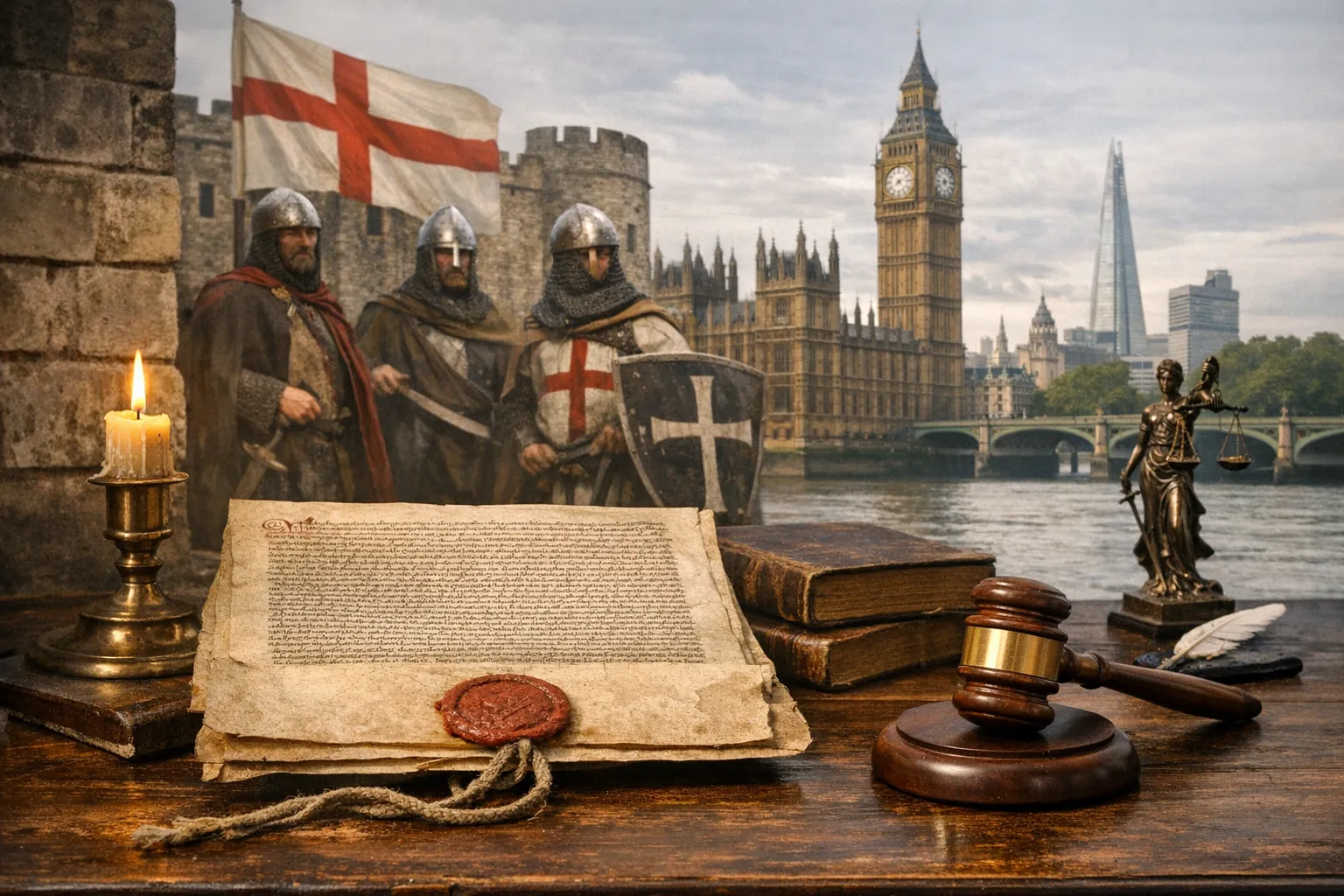
In this article, we will delve into the historical context of the Magna Carta and explore its profound influence on contemporary democratic principles and legal frameworks. From introducing the concept of due process to inspiring key amendments in the U.S. Constitution, the Magna Carta continues to be a symbol of liberty and justice, challenging tyranny and advocating for individual rights across centuries.
The Origins of the Magna Carta
The Magna Carta was sealed by King John of England on June 15, 1215, under immense pressure from rebellious barons. This moment marked a significant turning point in the relationship between the monarchy and its subjects, as the document aimed to limit the king's arbitrary authority and establish a rule of law.
Understanding the socio-political climate of 13th-century England is crucial to grasp the significance of this document. The feudal system created a tense dynamic where the king's unchecked power often led to exploitation and unrest among the nobility and, by extension, the common people. The barons, frustrated with King John's heavy taxation and disregard for their rights, banded together to demand reforms.
The Magna Carta introduced several foundational principles that would resonate through history:
- Rule of Law: It established that the king was subject to the law, a key tenet of constitutional governance.
- Due Process: The document emphasized protections against unlawful imprisonment, laying the groundwork for habeas corpus.
- Taxation: It required that taxation could only occur with the common counsel of the kingdom, echoing the later principle of 'no taxation without representation.'
As poet John Milton once noted, “The Magna Carta was like a seed planted in the fertile soil of freedom, destined to grow into the great tree of democracy.”
The legacy of the Magna Carta extends far beyond its immediate context; it became a symbol of resistance against tyranny and a blueprint for individual rights. Its influence is evident in the drafting of the U.S. Constitution, particularly in the Fifth and Fourteenth Amendments, which safeguard against deprivation of life, liberty, or property without due process of law. Understanding these origins provides insight into how the Magna Carta has shaped modern democratic ideals.
Key Principles Established by the Magna Carta
The Magna Carta, sealed by King John of England on June 15, 1215, is often hailed as Europe's first written constitution. It introduced several foundational principles that have significantly impacted democratic governance and legal rights.
-
King Subject to the Law: One of the Magna Carta's most crucial tenets is that even the monarch is subject to the law. This principle laid the groundwork for constitutional governance, moving away from the idea of absolute rule. It established the notion that no one, not even the king, is above the law.
-
Introduction of Due Process: The Magna Carta introduced the concept of due process, ensuring that no free man could be imprisoned or stripped of his rights without lawful judgment. This principle is encapsulated in Clause 39, which states, "No free man shall be seized or imprisoned except by the lawful judgment of his peers." This laid the framework for habeas corpus and trial by jury, echoing through centuries of legal evolution.
-
Council of Barons: The document also established a council of barons whose purpose was to monitor the king's actions. This early form of checks and balances is a precursor to modern parliamentary systems, emphasizing the importance of accountability in leadership.
“The Magna Carta is to the rule of law what the sun is to the day; it illuminates the path toward justice and fairness.”
Collectively, these principles have inspired countless legal frameworks and democratic ideals throughout history, influencing documents like the U.S. Constitution, particularly in the Fifth and Fourteenth Amendments, which safeguard individual rights against arbitrary state actions. The legacy of the Magna Carta continues to serve as a symbol of liberty and justice, advocating for the rights of individuals against tyranny.
The Magna Carta and the Concept of Due Process
The Magna Carta, sealed by King John of England on June 15, 1215, marked a pivotal moment in the evolution of legal rights, particularly through Clause 39. This clause states that “no free man shall be imprisoned without lawful judgment.” This foundational idea laid the groundwork for the development of due process, ensuring that individuals could not be deprived of their liberty without fair legal proceedings.
The influence of the Magna Carta extends beyond its immediate context, significantly impacting later legal frameworks. For example:
-
Habeas Corpus: The principle that a person cannot be detained without just cause can be traced back to the Magna Carta, establishing a powerful safeguard against arbitrary imprisonment.
-
Trial by Jury: The emphasis on lawful judgment paved the way for the modern jury system, where peers assess the evidence and reach a verdict.
In contemporary legal systems, due process remains a cornerstone of justice. It guarantees that every individual has the right to a fair trial and legal representation. This principle is echoed in the U.S. Constitution, particularly in the Fifth and Fourteenth Amendments, which protect against deprivation of life, liberty, or property without due process of law.
The legacy of the Magna Carta as a document challenging tyranny continues to resonate. It serves as a symbol of individual rights and legal protections, inspiring movements for justice and democracy worldwide. Its emphasis on due process not only reshaped the legal landscape of medieval England but laid a foundational framework that influences modern governance and civil liberties.
For a deeper understanding of the historical significance of the Magna Carta, you can learn more here. To explore the principles of due process further, check out this resource.
Influence on the U.S. Constitution
The Magna Carta, sealed by King John in 1215, is often hailed as the first step toward constitutional governance. Its impact resonates strongly in the U.S. Constitution and its amendments, particularly in the areas of due process, trial rights, and taxation.
-
Clause 39 states that no free man shall be imprisoned without lawful judgment. This principle directly influenced the Fifth Amendment, which protects individuals from unlawful imprisonment and ensures due process. The idea that one must not be deprived of liberty without a fair trial is a fundamental tenet of American law.
-
Clause 40 prohibits the denial or delay of justice, laying the groundwork for the Sixth Amendment. This amendment guarantees the right to a speedy and public trial, echoing the Magna Carta's insistence that justice should not be delayed. This principle serves to uphold the fairness of the judicial process.
-
The concept of 'no taxation without representation' can be traced back to Clause 12, which requires that taxation only occur with the common counsel of the kingdom. This foundational idea was pivotal in shaping the American Revolution and is deeply embedded in the ethos of American governance.
In addition to these specific clauses, the Magna Carta's overall emphasis on individual liberties and limitations on monarchical power inspired the American Founding Fathers. Its legacy not only influenced the drafting of the Constitution but also established a framework for future democratic ideals.
For a deeper exploration of this historical document, you can learn more about the history of the Magna Carta and its principles of due process here.
The Magna Carta's Role in Establishing Checks and Balances
The Magna Carta, sealed by King John of England in 1215, marked a pivotal moment in history by introducing early examples of checks and balances. One of its significant innovations was the formation of a council of barons tasked with monitoring the king's actions. This council was a direct challenge to monarchical authority, establishing a precedent for the idea that rulers are not above the law.
- Council of Barons: This assembly acted as a check against the king's arbitrary decisions, representing the interests of the nobility and, by extension, the realm. This concept of oversight laid the groundwork for modern parliamentary systems where elected representatives hold the executive accountable.
The influence of the Magna Carta extends beyond medieval England; it significantly shaped the development of democratic governance. Its principles inspired later documents, including those of the American Founding Fathers, who sought to establish a government rooted in the rule of law.
- Development of Parliamentary Systems: The Magna Carta's emphasis on accountability influenced the evolution of legislative bodies that represent the populace, ensuring that the government operates with the consent of the governed.
Today, the significance of checks and balances remains vital in modern governance. They prevent the concentration of power in any single branch of government, safeguarding individual liberties.
- Modern Governance: In contemporary democracies, the principles introduced by the Magna Carta are reflected in the separation of powers, ensuring that no branch can overreach its authority without checks from others.
By establishing these foundational principles, the Magna Carta not only challenged tyranny in its time but also laid the groundwork for the democratic ideals that still resonate today. For further exploration, you can learn more about the history of the Magna Carta.
The Legacy of the Magna Carta in Democratic Ideals
The Magna Carta, sealed by King John of England on June 15, 1215, stands as a foundational symbol of liberty and justice. This seminal document established the critical principle that even a monarch is subject to the law, laying the groundwork for constitutional governance. Its legacy transcends centuries, influencing democratic movements across the globe.
One of the most notable impacts of the Magna Carta is its profound influence on the American Founding Fathers. As they drafted the Declaration of Independence, the principles enshrined in the Magna Carta served as a guiding light in their fight against tyranny. The emphasis on individual rights and limitations on governmental power resonated deeply with the ideals they sought to establish.
Key elements of the Magna Carta that shaped modern democratic frameworks include:
- Due Process: The document introduced the idea that no free man could be imprisoned or stripped of his rights without lawful judgment, influencing the development of habeas corpus.
- Individual Rights: Clauses emphasizing justice and representation laid the groundwork for fundamental rights in the U.S. Constitution, such as those found in the Fifth and Fourteenth Amendments.
- Checks and Balances: The establishment of a council of barons to oversee the king's actions served as an early model for parliamentary systems, advocating for accountability in governance.
The Magna Carta’s enduring legacy continues to inspire those who advocate for individual rights and challenge absolute power, making it a timeless symbol of liberty and justice. To dive deeper into its historical significance, learn more about the history of the Magna Carta.
Common Myths About the Magna Carta
The Magna Carta is often romanticized in popular culture, but several prevalent myths cloud its true significance. Debunking these misconceptions helps us better understand its historical context and impact on modern democracy.
-
Myth: The Magna Carta granted rights to all citizens.
Reality: The Magna Carta primarily benefited the barons and the elite. While it introduced important principles, its immediate effects were largely confined to the powerful classes of medieval England, leaving common citizens largely unprotected. -
Myth: The Magna Carta was a complete solution to tyranny.
Reality: In truth, it was a starting point for future legal reforms. The document laid the groundwork for constitutional governance and individual rights, but it did not eliminate the monarchy's power. Instead, it sparked a gradual evolution towards more comprehensive legal protections and democratic governance.
The Magna Carta's legacy continues to resonate today, influencing key legal principles such as due process and the right to a fair trial, though its initial scope was limited. For a deeper understanding of its history and implications, you can learn more about the Magna Carta and explore the principles of due process.
Case Studies: The Magna Carta's Influence in Action
The Magna Carta, sealed by King John of England in 1215, serves as a powerful symbol of individual rights and limitations on authority. Its principles have been invoked throughout history, leaving a profound impact on legal frameworks.
Historical Instances
- The English Civil War (1642-1651): Figures like John Milton referenced the Magna Carta to argue against the tyranny of King Charles I, emphasizing the need for a government accountable to its people.
- The American Revolution (1775-1783): Colonists cited the Magna Carta in their grievances against British rule, particularly the principle of "no taxation without representation," rooted in Clause 12.
Modern Legal Cases
- Roe v. Wade (1973): The U.S. Supreme Court referenced the notion of due process, influenced by the Magna Carta, to argue for the right to privacy in matters of reproductive choice.
- Hamdi v. Rumsfeld (2004): The Court's decision underscored the importance of due process rights, echoing the Magna Carta’s legacy and ensuring that even in times of war, individuals are protected against unlawful detention.
Civil Rights Movements
- The Magna Carta's emphasis on individual liberties inspired movements aimed at civil rights. Activists during the Civil Rights Movement drew upon its principles when advocating for equal treatment under the law, highlighting its enduring relevance.
The Magna Carta not only laid the groundwork for constitutional governance but also continues to inspire legal and social movements advocating for justice and individual rights. Its legacy endures as a foundational document in the quest for democracy.
The Magna Carta in Contemporary Society
The principles enshrined in the Magna Carta continue to resonate within modern legal frameworks and political discourse. Sealed by King John of England in 1215, this pivotal document established foundational concepts that still underpin democratic governance today.
-
Modern Legal Reflections: The Magna Carta introduced the principle that the king is subject to the law, setting the stage for constitutional governance. This concept is mirrored in contemporary legal systems, where laws apply equally to all individuals, including government officials. For instance, the U.S. Constitution's Fifth Amendment echoes the Magna Carta's commitment to due process, ensuring that no one can be deprived of life, liberty, or property without legal procedures.
-
Struggle for Individual Rights: The ongoing fight for individual rights and liberties is deeply rooted in the Magna Carta's legacy. Its clauses, such as those guaranteeing protection against unlawful imprisonment, have inspired movements advocating for civil rights across the globe. The document serves as a powerful symbol in contemporary debates regarding personal freedoms and government accountability.
-
Reference in Governance Debates: The Magna Carta remains a reference point in discussions about governance and the balance of power. Its establishment of a council of barons to monitor the king's actions laid an early foundation for checks and balances, influencing the development of modern parliamentary systems. This historical context is often invoked in debates surrounding issues like taxation without representation and the right to a fair trial.
In essence, the Magna Carta's enduring influence highlights its role as a cornerstone of legal rights and democratic principles that persist in today's society. For more on its historical significance, you can learn more about the history of the Magna Carta. To explore the principles of due process further, visit this resource.
Conclusion: The Enduring Influence of the Magna Carta
The Magna Carta, sealed by King John of England on June 15, 1215, represents a pivotal moment in the evolution of governance and personal rights. Its significance transcends history, continuing to resonate in modern democratic frameworks and legal rights.
At its core, the Magna Carta established the principle that the monarch is subject to the law, fundamentally altering the relationship between rulers and the ruled. This idea laid the groundwork for constitutional governance, emphasizing the values of justice and liberty. The document introduced crucial concepts such as due process, ensuring that no individual could be imprisoned without lawful judgment—a principle that inspired the development of habeas corpus and trial by jury.
Key points regarding its lasting influence include:
- Advocacy for Rights: The Magna Carta served as a beacon for those challenging tyranny, inspiring movements for individual rights across centuries.
- Foundation of Legal Principles: Its clauses have influenced contemporary legal frameworks, including the U.S. Constitution's Fifth and Fourteenth Amendments, which protect against deprivation of life, liberty, or property without due process.
- Encouragement for Future Generations: The spirit of the Magna Carta urges us to persist in advocating for rights and freedoms, reminding contemporary society of the ongoing struggle for justice.
As we reflect on the Magna Carta's legacy, it is clear that its ideals are as vital today as they were in the 13th century. It is imperative to continue promoting and defending the rights enshrined in this historic document. For those interested in exploring its history further, you can learn more about the Magna Carta and explore the principles of due process.