
Vincent van Gogh's 'Starry Night' is more than just a beautiful depiction of a night sky; it’s a profound exploration of emotion, nature, and the human experience. Painted in June 1889 during his stay at the Saint-Paul-de-Mausole asylum, this masterpiece encapsulates the swirling chaos of Van Gogh’s mind and the tumult of the world around him.
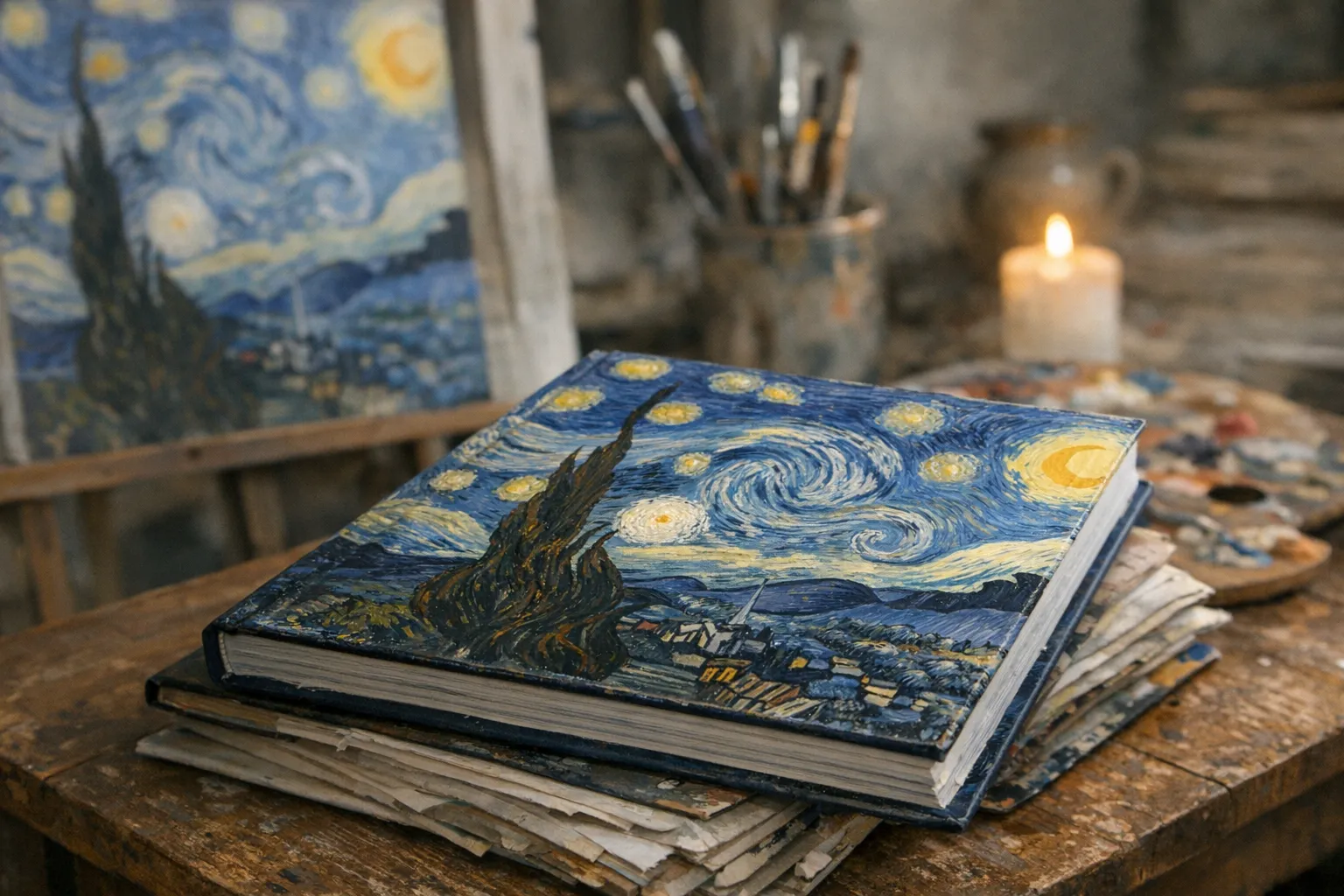
In this analysis, we will delve into the intricate layers of meaning behind the painting's iconic imagery—the swirling skies, the cypress tree, and the imaginary village. By examining the emotional intensity conveyed through Van Gogh's impasto technique and the symbolism embedded in his work, we aim to uncover how 'Starry Night' serves as a reflection of both personal struggle and universal themes. As we explore these elements, you'll gain a deeper understanding of why this painting remains a touchstone of modern art and a subject of fascination for art lovers and psychologists alike.
Introduction to 'Starry Night'
In June 1889, Vincent van Gogh created one of his most iconic works, The Starry Night, during a tumultuous period in his life. At the time, he was residing at the Saint-Paul-de-Mausole asylum in Saint-Rémy-de-Provence, grappling with mental health struggles and isolation. This backdrop profoundly influenced the emotional intensity and expressive style of the painting.
The Starry Night presents a night sky swirling with vibrant stars and a crescent moon, set above a tranquil village that appears almost dreamlike. The foreground features a cypress tree, which some interpret as a symbol of death and eternity, reflecting Van Gogh's contemplation of mortality. The village below contrasts sharply with the dynamic sky, suggesting a peaceful coexistence of human life amidst the chaos of nature.
As art historian John Canaday noted, “Van Gogh’s brush strokes are like the heartbeat of the sky, pulsing with emotion and turmoil.” This analogy captures the essence of the painting's swirling patterns, which have even been likened to turbulent fluid flows, merging art with elements of physics.
The use of impasto technique in The Starry Night—where thick layers of paint create a textured surface—further enhances its emotional depth. Each brushstroke seems to pulse with Van Gogh's inner turmoil and longing for connection, inviting viewers to delve into the layers of meaning woven into this masterpiece.
The Emotional Landscape of 'Starry Night'
Van Gogh's 'Starry Night' is a profound exploration of emotional intensity, conveyed through his masterful use of color and form. The vibrant blues and yellows create a striking contrast, with the luminous stars almost pulsating against the deep night sky. This choice of color serves not only to capture the viewer's attention but also to evoke feelings of awe and wonder, as well as a sense of melancholy.
The impasto technique, where thick layers of paint are applied, enhances this emotional experience. Each stroke is palpable, inviting viewers to feel the weight of Van Gogh's emotions. As he once described, "Painting is a faith, and it imposes the duty to believe in the reality of the world." This textured surface allows the artwork to breathe, transforming it into a dynamic presence rather than a static image.
The swirling patterns in the sky are particularly striking, reminiscent of turbulent fluid flows. They evoke feelings of chaos and turbulence, reflecting Van Gogh's own inner turmoil during his time at the asylum. The cypress tree, standing tall in the foreground, symbolizes the intersection of life and death, suggesting Van Gogh's contemplation of mortality and eternity.
In contrast, the imaginary village below offers a sense of calm, highlighting the peacefulness of human existence amid the chaos of nature. This juxtaposition invites viewers to reflect on their own emotional landscapes, making 'Starry Night' a timeless meditation on the human experience.
Symbolism of the Cypress Tree
The cypress tree in the foreground of Van Gogh's Starry Night serves as a profound symbol, often interpreted as representing both death and eternity. This duality connects deeply with Van Gogh’s own reflections on mortality, particularly during his time at the Saint-Paul-de-Mausole asylum in 1889.
Van Gogh’s struggles with mental health and feelings of isolation are mirrored in the cypress's dark, towering presence. It acts as a bridge between the earthly realm and the celestial sky above, suggesting a continuity between life and death. As art historian Paul Gauguin once said, “Art is a reflection of the artist's soul,” and in this case, the cypress embodies Van Gogh's contemplation of his own existence.
Comparatively, cypress trees appear in several of Van Gogh's works, including The Sower and Café Terrace at Night. In these pieces, the trees similarly evoke themes of mortality and the transient nature of life. However, none capture the emotional intensity found in Starry Night, where the cypress stands against a swirling sky, symbolizing chaos and the unknown.
The painting juxtaposes the cypress with a serene, imaginary village below, highlighting the contrast between the tumultuous forces of nature and the quietude of human life. This interplay invites viewers to reflect on the balance between the eternal and the ephemeral, a theme that resonates throughout Van Gogh’s oeuvre.
In essence, the cypress tree in Starry Night is not just a mere element of the landscape; it is a poignant reminder of the intertwined nature of life, death, and the cosmos.
The Imaginary Village: A Contrast to Chaos
The village depicted in Van Gogh's Starry Night serves as a striking contrast to the tumultuous sky above. While the swirling patterns and luminous stars reflect a dynamic, almost chaotic natural world, the village remains grounded and serene. This juxtaposition illustrates the tension between human existence and the unpredictable forces of nature.
-
Peacefulness Amidst Chaos: The tranquil village, with its simple structures and muted colors, provides a sense of stability. It stands in stark opposition to the vibrant, chaotic sky, suggesting a refuge from the emotional turbulence that Van Gogh experienced during his time in the asylum.
-
Symbolic Representation: The village symbolizes human life, encapsulating the idea of community and stability. In contrast to the expansive, swirling sky, it represents the yearning for connection and peace amidst life's uncertainties.
-
Longing for Stability: Van Gogh's personal struggles are evident in this contrast. The village reflects his desire for a sense of normalcy and stability, a longing that echoes throughout his life. As one art critic aptly noted, “The village is like a gentle whisper amid a cacophony of stars.”
In essence, the imaginary village in Starry Night is not merely a backdrop but a vital element of the narrative, embodying the delicate balance between the chaos of nature and the quest for human peace. This duality enriches the Starry Night analysis, inviting viewers to explore deeper meanings within Van Gogh's iconic work.
Psychological Insights: Van Gogh's Mind
Vincent van Gogh's mental health struggles during his life heavily influenced his art, particularly during the time he created The Starry Night in June 1889. While residing at the Saint-Paul-de-Mausole asylum in Saint-Rémy-de-Provence, his emotional turmoil was palpable. This painting expresses the isolation and chaos he experienced, with swirling skies that seem to mirror his inner turmoil.
-
Isolation and Turmoil: The turbulent patterns in the sky suggest a mind in distress. Van Gogh's choice of colors and brushwork amplifies this sense of chaos. The cypress tree, often seen as a symbol of death, looms in the foreground, hinting at his contemplations of mortality and the eternal.
-
Connection Between Art and Psychology: Van Gogh's work often reflects his psychological state. The stark contrast between the dynamic sky and the serene, imaginary village below symbolizes the duality of human experience—chaos versus tranquility. The village appears calm, perhaps representing the peace that eluded Van Gogh in his own life.
As art critic Robert Hughes famously noted, "Art is not a mirror held up to reality, but a hammer with which to shape it." This analogy encapsulates how Van Gogh's painting not only depicts his reality but also serves as a means to process his emotional struggles.
In The Starry Night, the swirling patterns have even been likened to turbulent fluid flows, suggesting an intriguing connection between art, emotion, and the sciences. Van Gogh’s innovative impasto technique further enhances the painting’s emotional depth, allowing viewers to feel the intensity of his experience.
The Swirling Sky: Art and Physics
The swirling patterns of Van Gogh's 'Starry Night' have drawn intriguing parallels with concepts in physics, particularly the behavior of turbulent fluid flows. These dynamic swirls, filled with motion and energy, resonate with the chaotic yet beautiful nature of the universe.
-
Art Meets Science: This intersection is a powerful reminder that creativity and scientific inquiry often share common ground. Just as scientists study turbulence to understand the complexities of nature, art can convey similar themes through its visual representations.
-
Understanding Technique: Van Gogh’s use of the impasto technique, where he applied thick layers of paint, enhances the textural quality of the swirling sky. This not only amplifies the emotional intensity of the painting but also invites viewers to experience the turbulence visually and kinesthetically.
The analogy that best describes this connection is that of a "dance between chaos and order." Just as a dancer moves fluidly within the constraints of space, the patterns in 'Starry Night' reflect a balance between the turbulent chaos of the cosmos and the serene village below.
- Implications for Analysis: By recognizing these swirling patterns as more than mere brushstrokes, we can appreciate Van Gogh’s genius in capturing the essence of both human emotion and natural phenomena. This perspective enriches our understanding of the painting, revealing layers of meaning that extend beyond the canvas.
Through this lens, 'Starry Night' becomes not just an iconic work of art but also a profound exploration of the universe’s mysteries, inviting viewers to ponder the connections that bind art and science.
Cultural Impact and Legacy of 'Starry Night'
Vincent van Gogh's 'Starry Night' serves as a vital touchstone of modern art. Painted in June 1889 during his stay at the Saint-Paul-de-Mausole asylum, it showcases a unique blend of emotional depth and innovative technique. The painting's swirling night sky, filled with luminous stars and a crescent moon, has captivated audiences and artists alike, making it one of the most recognizable works in the Western canon.
Its influence extends far beyond Van Gogh’s time. Numerous artists and movements have drawn inspiration from its vivid colors and dynamic forms. For instance, the Expressionists embraced the emotional intensity that Van Gogh rendered through his impasto technique, where thick layers of paint create a textured surface that invites viewers to feel the artist's turmoil and passion.
In popular culture, 'Starry Night' has permeated various media, from films to fashion. Its imagery appears in everything from movie posters to merchandise, serving as a symbol of artistic genius. As one observer aptly noted, “Van Gogh’s swirls are like the heartbeat of the universe, pulsing with the chaos and beauty of existence.”
The painting also sparks discussions around mental health, reflecting Van Gogh's personal struggles and contemplation of mortality through symbols like the cypress tree, often associated with death and eternity. In contrast, the tranquil village below represents human serenity amid nature's chaos, further enriching the layers of meaning embedded in this masterpiece.
Common Misconceptions about 'Starry Night'
Despite its fame, many misconceptions surround Van Gogh's Starry Night. A prevalent myth is that the painting represents a literal view from the asylum where Van Gogh resided. In reality, the scene combines elements from his imagination and his memories, crafted during June 1889 while he faced personal struggles.
Another common misunderstanding involves the symbolism of the cypress tree. Often seen as a symbol of death, it also represents eternity and the cyclical nature of life, reflecting Van Gogh's contemplation of mortality. The swirling night sky, with its dynamic movement, is frequently misinterpreted as chaotic without considering its deeper emotional context. As one art critic aptly put it, "Van Gogh's sky is not just a canvas of chaos; it is a dance of emotion, swirling like the thoughts in a troubled mind."
Understanding the context of Van Gogh's life enhances the depth of Starry Night. His time in the Saint-Paul-de-Mausole asylum was marked by isolation and mental health struggles, which profoundly influenced the painting's emotional intensity. The imaginary village below the sky juxtaposes the tumultuous heavens, possibly symbolizing the peace of human existence amidst nature's chaos.
To truly appreciate Starry Night, one must look beyond surface interpretations. The swirling patterns in the sky, for instance, have even been likened to turbulent fluid flows, suggesting an intersection between art and science. This complexity invites viewers to engage with the artwork on multiple levels, revealing layers of meaning that extend well beyond a simple night scene.
Conclusion: The Enduring Allure of 'Starry Night'
Vincent van Gogh's 'Starry Night' is a rich tapestry of emotional, psychological, and cultural layers that resonate deeply with viewers. The painting's swirling night sky filled with luminous stars and a crescent moon reflects Van Gogh's personal struggles with mental health, while the cypress tree symbolizes the duality of death and eternity. This juxtaposition invites contemplation about existence and the human experience.
The serene village below contrasts sharply with the chaotic sky, suggesting a peaceful refuge amidst life's turbulence. As such, 'Starry Night' serves not only as a visual spectacle but also as a profound commentary on the human condition. It encapsulates the struggle between chaos and tranquility, making it incredibly relatable.
The reason 'Starry Night' continues to captivate audiences today lies in its ability to evoke a spectrum of interpretations and emotions. Viewers are encouraged to explore their own connections to the artwork, much like how "the cosmos spins in a dance of chaos and order." Each interpretation is a unique response to Van Gogh's genius, underscoring the painting’s timeless relevance.
In a world filled with noise, 'Starry Night' remains a beacon of introspection and beauty, inviting us to look beyond the surface and delve into the layers of meaning it offers.
FAQs about 'Starry Night'
What inspired Van Gogh to create 'Starry Night'?
Vincent van Gogh painted 'The Starry Night' in June 1889 during his stay at the Saint-Paul-de-Mausole asylum in Saint-Rémy-de-Provence, France. This period was marked by intense personal struggles and a quest for solace. The swirling night sky reflects his fascination with the cosmos and his desire to convey a sense of connection to the universe. As he famously put it, "The night is more colorful than the day."
How does the painting reflect Van Gogh's mental state?
Van Gogh's personal struggles, including mental health issues and feelings of isolation, profoundly influenced the emotional intensity of the painting. The chaotic swirls and vibrant colors symbolize his turbulent psyche, suggesting a battle between despair and hope. The cypress tree, often interpreted as a symbol of death and eternity, serves as a poignant reminder of Van Gogh’s contemplation of mortality.
What techniques did Van Gogh use in this artwork?
Van Gogh employed the impasto technique, applying thick layers of paint to create a textured surface that enhances the painting's emotional impact. This method not only brings dynamism to the swirling sky but also invites viewers to engage with the artwork on a sensory level. The contrasting calmness of the imaginary village against the vibrant sky highlights the tension between human tranquility and the chaos of nature.
For further exploration of Van Gogh's life and techniques, you might check out Van Gogh's Life and Works and Understanding Impasto Technique.