
The Great Wall of China stands as a monumental testament to human ingenuity and resilience. Spanning over 13,170 miles, this architectural marvel is more than just a wall; it encapsulates centuries of history, culture, and engineering prowess.
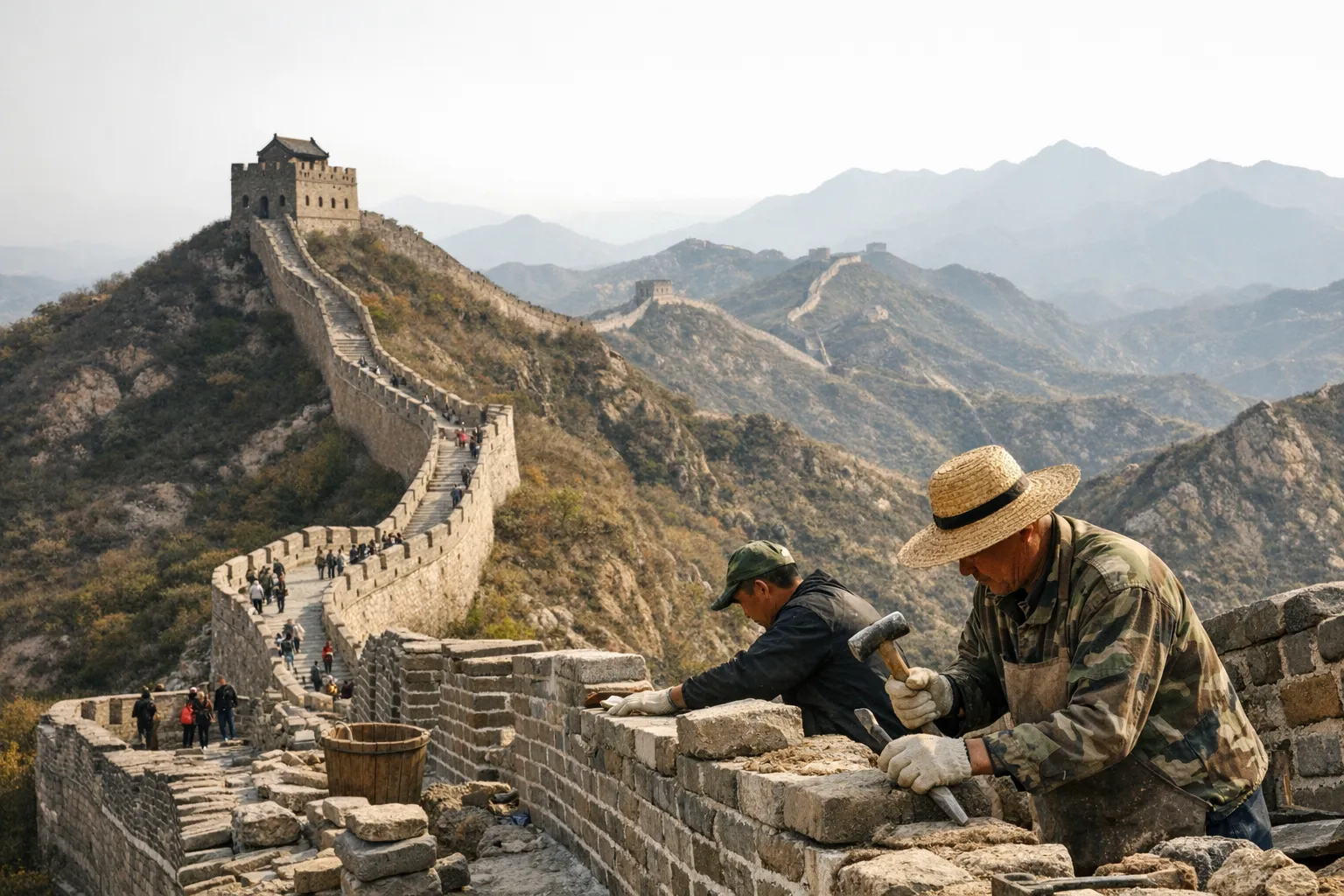
In this article, we will delve into the intricate construction techniques that made the Great Wall possible, explore its multifaceted roles throughout Chinese history, and examine the geographic challenges it overcame. By understanding these elements, readers will gain a deeper appreciation for why the Great Wall is not only a UNESCO World Heritage Site but also a symbol of China's enduring legacy.
The Historical Context of the Great Wall
The Great Wall of China has its origins in the 7th century BC, serving as a crucial defensive structure against invasions from nomadic tribes. Initially constructed as a series of smaller walls and fortifications, it evolved over centuries into the monumental structure we recognize today.
Key dynasties played pivotal roles in its expansion. The Qin dynasty (221–206 BC) significantly contributed to the wall's foundation, unifying various segments into a cohesive defense line. However, it was during the Ming dynasty (1368–1644 AD) that the Great Wall saw its most significant transformations. The Ming rulers reinforced the wall with stronger materials like bricks and stone, creating elaborate sections designed to withstand more formidable attacks.
The Great Wall’s purpose extended beyond mere defense. It served as a means of border control and regulated trade along the Silk Road, embodying both military and economic significance.
As historian John Man once analogously noted, “The Great Wall is like a dragon, coiling around the northern frontier, its scales of stone and earth protecting the empire from the beasts beyond.”
The construction of the Great Wall addressed diverse geographic challenges, traversing mountains, deserts, and plains to form a continuous barrier. This engineering marvel not only reflects the military ingenuity of ancient China but also stands as a testament to its cultural heritage, marking it as a UNESCO World Heritage Site today.
Construction Techniques and Materials
The construction of the Great Wall of China showcases a remarkable variety of techniques and materials, tailored to the diverse geographical challenges it faced. Over its extensive history, builders adapted their methods based on local resources and environmental conditions.
Diverse Materials
The wall's construction utilized:
- Stone and Brick: Common in mountainous regions, these materials provided durability and strength.
- Wood: Used in certain areas, particularly where it was abundant.
- Rammed Earth: More frequently found in plains, this method involved compacting earth to create sturdy walls.
Regional Variations
Construction techniques varied significantly across different regions:
- In northern areas with rocky landscapes, builders preferred stone and brick for their resilience against harsh weather.
- In contrast, the central plains utilized rammed earth, leveraging the readily available soil.
Ming Dynasty Contributions
The Ming dynasty (1368–1644) is particularly noteworthy for its contributions. During this period, builders enhanced the structure with stronger and more elaborate sections, primarily using bricks and stones. This not only reinforced the wall but also added architectural grandeur.
"Building the Great Wall is like crafting a colossal tapestry, with each section woven from the threads of local materials and historical context."
The Great Wall of China stands as a testament to the ingenuity of its builders, reflecting both the challenges of its environment and the evolving techniques over centuries. For more on the construction methods, check out Great Wall Construction Techniques.
Geographic Challenges in Construction
The construction of the Great Wall of China was no small feat, especially given the diverse and often rugged terrains it traversed. From steep mountains to arid deserts and expansive plains, each landscape posed unique challenges that required innovative engineering solutions.
-
Traversing Diverse Terrains: The Wall stretches over 13,170 miles (21,196 kilometers), navigating through formidable mountain ranges, barren deserts, and fertile plains. Each region required a different approach to construction, heavily influenced by the local geography.
-
Engineering Solutions: To adapt to the landscape, builders employed various techniques. In mountainous areas, durable materials like stone and brick were favored, ensuring stability against erosion and natural elements. Conversely, in flat plains, rammed earth was more commonly used, optimizing resource availability while providing sufficient fortification.
-
Impact on Design and Structure: Geography was not merely a backdrop; it actively shaped the Wall’s design. For instance, in areas prone to landslides, builders incorporated terraces to prevent collapse. In contrast, sections built in deserts featured watchtowers strategically placed to enhance visibility and control over trade routes.
The ingenuity displayed in overcoming these geographic challenges not only fortified the Wall as a military defense but also highlighted its role in regulating trade and controlling borders along the Silk Road. For further insights into the construction techniques, check out Great Wall Construction Techniques.
Cultural Significance of the Great Wall
The Great Wall of China is more than just an architectural marvel; it stands as a powerful symbol of national strength and unity. Throughout Chinese history, the Wall has represented the collective effort of the nation, embodying resilience against external threats. Its construction, which spanned over 2,000 years, reflects a shared commitment to safeguarding the country’s sovereignty.
In Chinese folklore and literature, the Great Wall has been romanticized as a heroic structure, often featured in poetry and stories that celebrate its grandeur. Tales of bravery and sacrifice associated with the Wall enhance its cultural resonance, inspiring generations to view it as a national treasure.
As a UNESCO World Heritage Site, the Great Wall is recognized for its historical and architectural significance. This designation not only elevates its status but also underscores the global appreciation for its cultural importance. The Wall’s inclusion on this prestigious list highlights the need for preservation efforts, as approximately 30% of it has disappeared due to various factors, including human activity and natural erosion.
In summary, the Great Wall of China serves not just as a physical barrier but as a cultural cornerstone, representing national identity, historical legacy, and the spirit of unity among the Chinese people. For more on its construction techniques, you can visit Great Wall Construction Techniques, or explore ongoing Preservation Efforts for the Great Wall.
The Great Wall and the Silk Road
The Great Wall of China was not just a formidable defense mechanism; it also played a crucial role in regulating trade and immigration along the Silk Road. This ancient trade route connected China with the West, facilitating not only the exchange of goods but also cultural interactions.
-
Facilitating Trade: The Wall served as a checkpoint for traders and merchants, ensuring that goods such as silk, spices, and precious metals could flow between East and West. Its strategic positioning allowed for the safe passage of commodities while also imposing tariffs that benefited the Chinese economy.
-
Border Control Measures: The Wall’s fortifications acted as a physical barrier against invasions, but they also regulated who could enter and exit the empire. Soldiers stationed at the Wall monitored trade caravans, ensuring that only authorized individuals could traverse these routes. This control helped maintain stability in the region during tumultuous times.
-
Cultural Exchanges: As trade flourished, so did cultural exchanges. The movement of people along the Silk Road led to the sharing of ideas, technologies, and religious beliefs. For instance, Buddhism spread from India to China, facilitated by merchants traveling along these routes.
The Great Wall thus not only defended China's borders but also embraced a dual role as a regulator of commerce and a facilitator of cultural dialogue, making it a vital component of the Silk Road's rich history.
The Great Wall Today: Preservation and Challenges
The Great Wall of China, a monumental feat of engineering, faces significant challenges today. Approximately 30% of the Wall has disappeared over time, primarily due to a combination of human activities and natural erosion. Brick theft, urban development, and unchecked tourism have all contributed to its decline.
Factors Contributing to Erosion and Decay
- Natural Erosion: Weather conditions such as rain, wind, and temperature fluctuations wear away the materials used in construction.
- Human Activities: Illegal excavation and vandalism have resulted in considerable damage, with bricks being stolen for other construction projects.
- Tourism Pressure: While tourism is vital for local economies, it can lead to overcrowding and further deterioration of vulnerable sections.
Efforts for Preservation and Restoration
In response to these challenges, various preservation efforts are underway:
- Government Initiatives: The Chinese government has allocated resources for restoration projects, focusing on sections that are most at risk.
- Community Involvement: Local communities are encouraged to participate in preservation programs, raising awareness about the Wall's cultural significance.
- UNESCO Support: As a UNESCO World Heritage Site, the Great Wall benefits from international attention and funding aimed at its preservation.
These efforts are crucial to maintaining the Great Wall's integrity as a historical and cultural landmark. For a deeper understanding of its construction techniques, you can check out Great Wall Construction Techniques, and to learn more about its cultural significance, visit Cultural Significance of the Great Wall. For additional details on ongoing preservation efforts, see Preservation Efforts for the Great Wall.
Myths vs. Reality: Debunking Common Misconceptions
The Great Wall of China is steeped in myths that often overshadow its historical and architectural significance. Understanding these misconceptions can enhance our appreciation of this monumental feat.
-
Myth: The Wall is visible from space.
This popular belief suggests that astronauts can easily spot the Great Wall from orbit. However, the reality is more nuanced. Visibility depends on atmospheric conditions, the observer's location, and the wall's materials, which blend into the landscape. While large structures are generally visible, the Great Wall often isn't distinguishable without aid. -
Myth: The Wall is a single continuous structure.
Many envision the Great Wall as a single, unbroken line stretching across China. In reality, it comprises various segments built over approximately 2,000 years. These fortifications were constructed using different materials—stone, brick, and rammed earth—depending on the regional geography. For instance, the Ming dynasty (1368–1644) is known for its robust brick and stone sections.
Understanding these myths helps clarify the Great Wall's multifaceted roles, from military defense to border control and trade regulation along the Silk Road. For more on its construction techniques, check out Great Wall Construction Techniques. To explore its cultural significance, visit Cultural Significance of the Great Wall. Lastly, you can learn about ongoing efforts to maintain this UNESCO World Heritage Site at Preservation Efforts for the Great Wall.
Impact of Tourism on the Great Wall
Tourism significantly influences the Great Wall of China, bringing both economic benefits and challenges to its preservation.
Economic Benefits
- Revenue Generation: Tourism serves as a vital source of income for local economies. Visitors contribute to businesses, from restaurants to souvenir shops.
- Job Creation: The influx of tourists creates job opportunities in hospitality, guiding, and maintenance services.
Environmental Impact and Wear
- Structural Erosion: The sheer number of visitors can lead to physical wear on the wall, particularly in popular sections like Badaling. Estimates suggest that around 30% of the Great Wall has already succumbed to erosion and human activities.
- Pollution: Increased foot traffic contributes to litter and pollution, which can harm the surrounding environment and the structure itself.
Balancing Preservation with Visitor Access
- Visitor Management: Authorities are tasked with finding a balance between allowing public access and implementing measures to protect the wall. Controlled access points and guided tours are strategies used to mitigate damage.
- Preservation Efforts: Ongoing preservation initiatives focus on restoring damaged sections while educating tourists about the wall’s historical significance.
The Great Wall of China stands as a testament to engineering prowess and cultural legacy, yet it requires careful stewardship to ensure its longevity amid the pressures of tourism. For more on preservation efforts, check out Preservation Efforts for the Great Wall.
Future of the Great Wall: Sustainability and Education
The future of the Great Wall of China hinges on innovative preservation techniques and robust educational initiatives aimed at ensuring its longevity and cultural relevance. As a UNESCO World Heritage Site, the Wall not only represents a monumental architectural achievement but also serves as a vital piece of Chinese heritage.
Innovative Preservation Techniques
Efforts are underway to explore new methods for preserving the Wall's integrity. Some innovative approaches include:
- Use of Advanced Materials: Researchers are investigating eco-friendly materials that can withstand weathering while being less invasive to the existing structure.
- Digital Preservation: 3D scanning and modeling technology are being utilized to create accurate digital representations of deteriorating sections, helping guide restoration efforts.
Educational Programs
Raising awareness about the Wall’s significance is crucial for its preservation. Educational programs are being developed to:
- Engage Local Communities: Schools and local organizations are introducing curricula that focus on the historical and cultural importance of the Great Wall.
- Visitor Information Campaigns: Interactive exhibits and guided tours are designed to educate tourists on the Wall’s history, construction techniques, and ongoing preservation efforts.
Community Involvement
Community engagement plays a pivotal role in conservation. Local residents are encouraged to participate in:
- Cleanup Drives: Initiatives that involve local volunteers in maintaining and restoring sections of the Wall.
- Workshops: Programs that teach traditional construction techniques, ensuring that knowledge of the Wall’s craftsmanship is passed on to future generations.
By integrating innovative preservation methods, educational outreach, and community involvement, the future of the Great Wall of China can be secured, ensuring that this iconic structure continues to inspire and educate for years to come. For more details on preservation efforts, check out Preservation Efforts for the Great Wall.
Conclusion: The Enduring Legacy of the Great Wall
The Great Wall of China embodies a remarkable historical journey that spans over 2,000 years. From its initial construction in the 7th century BC to significant expansions during the Qin and Ming dynasties, it has transformed from a military defense system into a symbol of cultural identity and national pride. This architectural marvel stretches approximately 13,170 miles, illustrating the immense effort and ingenuity involved in its creation.
Preserving the Great Wall is vital for protecting cultural heritage. As a UNESCO World Heritage Site, it is recognized not only for its historical significance but also for its architectural innovation across diverse terrains, from mountains to plains. Yet, with about 30% of the Wall having disappeared due to human activities and natural erosion, concerted preservation efforts are crucial to maintain its integrity for future generations. You can learn more about these efforts here.
The Great Wall stands as a powerful symbol of resilience and strength. Its ability to adapt to various geographic challenges reflects the determination of the people who built and maintained it. Today, it continues to inspire awe and respect, reminding us of the enduring spirit of those who came before. For a deeper understanding of its cultural significance, visit this link.