
The Grand Canyon is not just a breathtaking vista; it is a living archive of Earth's geological history. Spanning nearly two billion years, this natural wonder tells a complex story of formation, erosion, and conservation. But what exactly shaped its iconic layers, and how are we protecting this invaluable resource today?
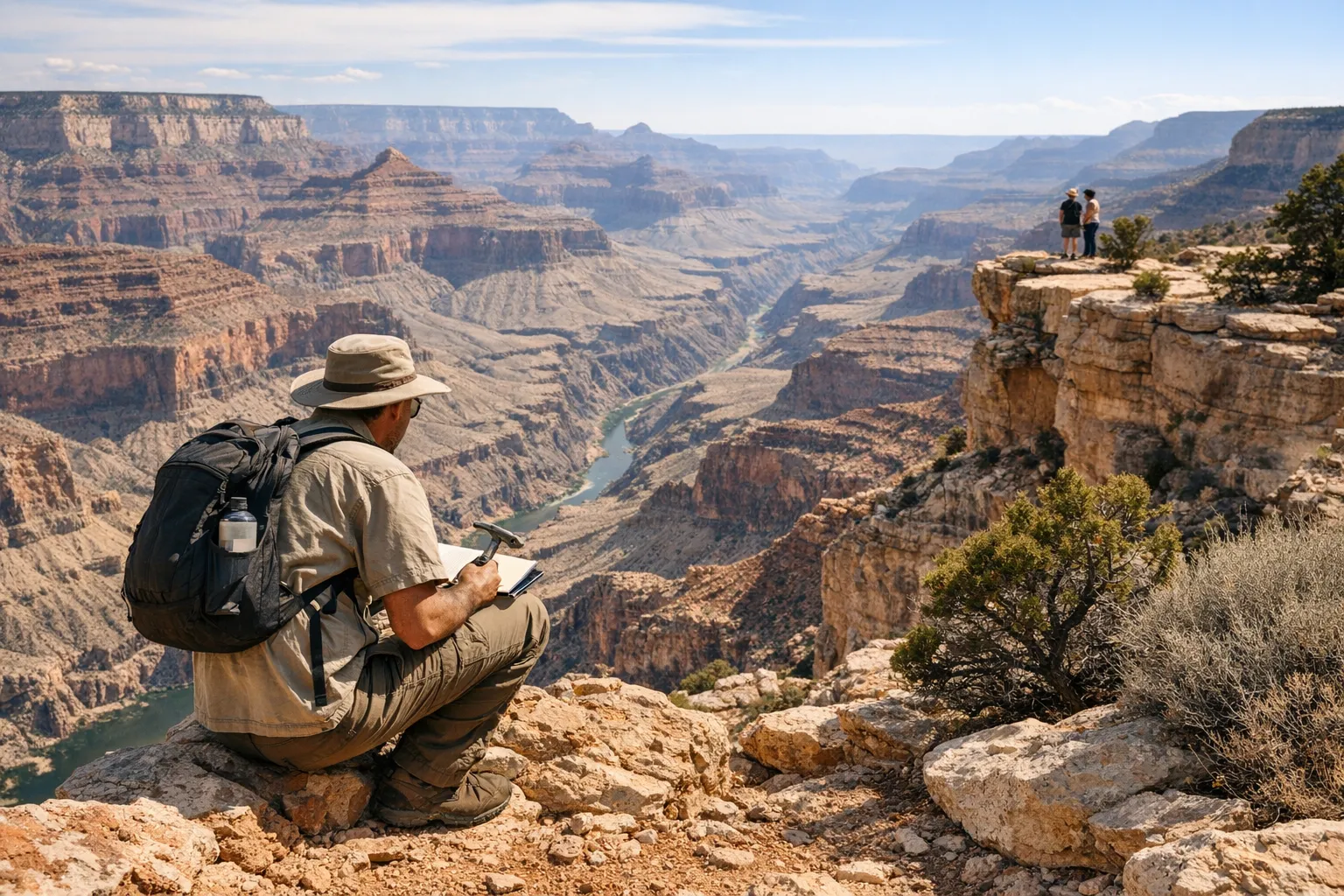
In this analysis, we will delve into the intricate geological formations of the Grand Canyon, exploring how the Colorado River carved its path over millions of years. We'll also examine the ongoing conservation efforts aimed at preserving the canyon's unique ecosystem and cultural significance. From wildlife monitoring to hydrology studies, discover how organizations work tirelessly to safeguard this UNESCO World Heritage site for future generations.
The Geological History of the Grand Canyon
The Grand Canyon's geological history spans nearly 2 billion years, offering a detailed record of Earth's evolution from the Precambrian to the Permian period. This timeline is meticulously etched in the canyon's layered rock formations, each telling a unique story of ancient environments and climatic shifts.
Key formations include:
- Vishnu Basement Rocks: Located in the Inner Gorge, these are among the oldest rocks in the canyon, consisting of schist, gneiss, and granite.
- Grand Canyon Supergroup: This formation represents a significant geological era, showcasing sedimentary processes that occurred long before the canyon was carved.
- Paleozoic Strata: These layers, which include limestone and sandstone, reveal vital information about marine environments and the life that thrived in them.
Understanding these layers is essential for grasping our planet's geological history. Each formation not only showcases the passage of time but also highlights the dynamic processes that have shaped the landscape. As geologists often say, “The Earth is a book, and those who do not travel read only one page.”
The Colorado River began carving the Grand Canyon approximately 5 to 6 million years ago, integrating older paleocanyons into its current form. This ongoing erosion has created a breathtaking landscape, while also raising awareness about the need for conservation efforts, as highlighted by organizations like the Grand Canyon Trust and Grand Canyon Conservancy. Through wildlife monitoring, hydrology studies, and paleontological research, these initiatives aim to protect the canyon's natural resources for future generations.
How the Colorado River Shaped the Canyon
The Colorado River is the architect of the Grand Canyon, having begun its monumental work approximately 5 to 6 million years ago. This powerful river carved through layers of rock, shaping the canyon into the breathtaking natural wonder we see today. Its erosive force was significantly enhanced by the region's uplift and semi-arid climate, which together accelerated the process of erosion.
As the river flowed, it not only cut through the rock but also integrated older paleocanyons into its current form. These ancient formations contribute to the complexity and beauty of the canyon's structure.
"The Colorado River is like a sculptor, patiently chiseling away at the rock face over millennia."
The Grand Canyon's geological history is a testament to its age, with rock layers spanning nearly 2 billion years, from the Proterozoic Eon to the Permian Period. This extensive timeline is evidenced by formations such as:
- Vishnu Basement Rocks: Some of the oldest rocks, including schist and gneiss, found in the canyon's Inner Gorge.
- Grand Canyon Supergroup: A complex series of sedimentary layers showcasing various geological eras.
- Paleozoic Strata: Representing a significant portion of the canyon's geological timeline.
Understanding the role of the Colorado River in shaping the Grand Canyon not only highlights the natural beauty of this UNESCO World Heritage site but also underscores the importance of ongoing conservation efforts to preserve its unique geological features. For more information on conservation initiatives, check out Grand Canyon Conservancy or Grand Canyon Trust.
Key Geological Formations Within the Canyon
The Grand Canyon is a geological marvel, showcasing a complex tapestry of rock formations that span nearly two billion years. Each layer tells a unique story about Earth's history and the environmental changes that have occurred over millennia.
-
Vishnu Formation: Located in the Inner Gorge, this formation consists of some of the oldest rocks in the canyon, including schist, gneiss, and granite. These ancient rocks date back to the Proterozoic Eon, providing insight into the geological processes that shaped the early Earth.
-
Grand Canyon Supergroup: This formation represents a distinct geological era marked by unique sedimentary structures. The rocks here, dating from the Neoproterozoic era, reveal ancient environments ranging from shallow seas to desert landscapes. Their diverse characteristics offer a glimpse into the planet's climatic evolution over time.
-
Paleozoic Strata: Comprising multiple layers from the Cambrian to the Permian periods, these strata display significant shifts in Earth's environment. They include fossils and sedimentary deposits that highlight the transition from marine to terrestrial ecosystems, reflecting the dynamic nature of our planet's geological history.
Each of these formations not only contributes to the Grand Canyon's stunning visual landscape but also plays a crucial role in ongoing conservation efforts. Organizations like the Grand Canyon Trust and Grand Canyon Conservancy work tirelessly to protect these geological treasures, ensuring that future generations can appreciate the rich history encoded in the canyon's rocks.
The Grand Canyon as a UNESCO World Heritage Site
Designated a UNESCO World Heritage site in 1979, the Grand Canyon stands as a testament to both its outstanding natural beauty and its cultural significance. This recognition is crucial not just for preserving the canyon's unique geological features but also for fostering global awareness of its importance.
The Grand Canyon's geological history spans nearly two billion years, featuring rock layers that tell a story from the Proterozoic Eon to the Permian Period. The designation highlights these layers, including the ancient Vishnu Formation, which consists of some of the oldest rocks in the canyon. Such recognition encourages ongoing conservation efforts, as it underscores the need to protect this invaluable geological record.
- Conservation and Awareness: UNESCO status enhances efforts to conserve the Grand Canyon by promoting education and awareness about its natural and cultural values.
- Economic Impact: The designation attracts millions of visitors each year, significantly contributing to local economies. This influx supports not only tourism services but also conservation initiatives.
Organizations like the Grand Canyon Trust and the Grand Canyon Conservancy play pivotal roles in these conservation efforts. They focus on wildlife monitoring, hydrology studies, and paleontological research to safeguard the canyon's natural resources, ensuring that this natural wonder remains protected for future generations.
Conservation Efforts at the Grand Canyon
Conservation at the Grand Canyon is multifaceted, focusing on the preservation of its unique ecosystems, geological history, and biodiversity. Various initiatives are in place to protect this natural wonder, ensuring its vitality for future generations.
-
Wildlife Monitoring Programs: These initiatives are essential for tracking diverse species within the canyon. By gathering data on animal populations, conservationists can assess the health of ecosystems and implement strategies to maintain biodiversity. For instance, ongoing studies monitor species like the California condor, which is crucial for maintaining ecological balance.
-
Hydrology Studies: Understanding water resources is vital for ecosystem health. Research into the river systems that feed the Grand Canyon helps manage water use and preservation. The Colorado River's flow directly influences habitats, and hydrology studies ensure that water conservation measures are effective. After repairs to the water pipeline and pumping systems in April 2026, the park began easing some conservation measures while continuing to monitor water usage.
-
Paleontological Research: This research plays a critical role in preserving the canyon's geological history. The Grand Canyon's rock layers, spanning nearly two billion years, provide insights into ancient environments and climate changes. Ongoing paleontological efforts help document these formations, ensuring that the rich geological narrative is not lost.
These conservation efforts are supported by organizations like the Grand Canyon Trust and the Grand Canyon Conservancy, which advocate for sustainable practices and promote awareness about the canyon's significance. Together, these initiatives work to safeguard the Grand Canyon's natural resources, ensuring its preservation for years to come.
Challenges Facing Grand Canyon Conservation
Conserving the Grand Canyon is a multifaceted challenge, influenced by various environmental and human factors. Here are some of the primary obstacles:
-
Climate Change: Rising temperatures and shifting precipitation patterns threaten water resources essential for both wildlife and human visitors. As the climate becomes less predictable, the delicate ecosystems that have thrived for millennia face unprecedented strain.
-
Increased Tourism: While visitor engagement is vital for the local economy, it can lead to environmental degradation if not managed properly. Overcrowding in certain areas can result in soil erosion, damaged vegetation, and increased waste, which can harm the canyon’s natural beauty.
-
Pollution: Urban development in nearby areas contributes to pollution that affects the Grand Canyon’s air and water quality. Contaminants can disrupt local ecosystems, impacting the flora and fauna that rely on these resources.
Ongoing conservation efforts, such as those spearheaded by organizations like the Grand Canyon Trust and Grand Canyon Conservancy, aim to address these challenges. Initiatives include wildlife monitoring and hydrology studies, which are crucial for maintaining biodiversity and protecting the canyon's unique geological features.
The need for effective policies and community involvement has never been more pressing to ensure that this UNESCO World Heritage site remains a natural wonder for future generations.
The Role of Organizations in Conservation
The preservation of the Grand Canyon is bolstered by various dedicated organizations, each playing a vital role in safeguarding its unique ecology and geological heritage.
-
Grand Canyon Trust: Established in 1985, this organization has been at the forefront of conservation efforts in the region. It focuses on protecting the Colorado Plateau's landscapes and advocating for sustainable practices that benefit both the environment and local communities. Their initiatives include land acquisition and policy advocacy to ensure the protection of sensitive areas.
-
Grand Canyon Conservancy: This group is instrumental in supporting wildlife conservation and maintaining ecosystem balance. Their projects range from habitat restoration to educational programs that engage the public in conservation efforts. By funding research and monitoring programs, they play a critical role in preserving the biodiversity of the Grand Canyon.
-
Collaborative Efforts: The effectiveness of conservation efforts is often enhanced through collaboration among organizations. By pooling resources and expertise, groups like the Grand Canyon Trust and Grand Canyon Conservancy can tackle larger projects and address pressing environmental issues more effectively. These partnerships also facilitate comprehensive studies, such as wildlife monitoring and hydrology research, crucial for informed decision-making.
Overall, the collective actions of these organizations contribute significantly to the ongoing conservation of the Grand Canyon, ensuring that this natural wonder is preserved for future generations.
Public Engagement and Education
Public involvement is crucial in protecting the Grand Canyon, as it fosters a deeper understanding of its geological and ecological significance. Educational programs are designed to raise awareness among visitors and locals alike about the canyon's rich history. For instance, hands-on workshops and guided tours offer insights into the canyon's formation, which spans nearly two billion years, highlighting the diverse rock layers that tell a geological story from the Precambrian to the Permian period.
Volunteer opportunities provide another avenue for public engagement. Individuals can participate in activities such as wildlife monitoring and habitat restoration, allowing them to contribute directly to the canyon's conservation efforts. Organizations like the Grand Canyon Conservancy organize these initiatives, enabling volunteers to make a tangible impact on preserving this natural wonder.
Social media campaigns are also vital in spreading awareness and promoting responsible tourism. By sharing information about the canyon’s delicate ecosystem and the importance of conservation, these campaigns encourage visitors to respect the land. Hashtags like #ProtectTheCanyon and initiatives led by the Grand Canyon Trust amplify these messages, reaching wider audiences and inspiring action.
In summary, through educational programs, volunteer opportunities, and social media outreach, public engagement plays a pivotal role in the ongoing conservation efforts at the Grand Canyon. By fostering a community of informed advocates, we can ensure this UNESCO World Heritage site remains protected for future generations.
Future Directions for Grand Canyon Conservation
The Grand Canyon faces numerous environmental challenges that necessitate forward-thinking conservation strategies. Several innovative initiatives can help ensure this natural wonder remains protected for future generations.
-
Innovative Water Management Strategies: Given the Grand Canyon's semi-arid climate, effective water management is crucial. Implementing advanced irrigation techniques and rainwater harvesting can promote sustainability. For instance, enhancing the efficiency of water distribution systems on the South Rim is already underway, following recent repairs to the water pipeline.
-
Enhanced Visitor Education Programs: Responsible tourism is vital for conservation. By developing educational programs that inform visitors about the Canyon's ecological significance and the importance of minimizing their impact, we can foster a culture of stewardship. Programs could include guided tours focused on the geological history and current conservation efforts, ensuring visitors leave with a deeper appreciation for the area.
-
Collaborative Research Initiatives: Addressing ongoing environmental challenges—such as habitat loss and climate change—requires collaboration. Partnering with universities and conservation organizations can facilitate comprehensive research efforts. For example, studies on wildlife monitoring and hydrology can provide data essential for effective management and conservation practices.
These strategies not only aim to preserve the breathtaking landscapes and rich biodiversity of the Grand Canyon but also ensure that its geological history—spanning nearly two billion years—is safeguarded for future exploration and education. Through concerted efforts, the Grand Canyon can continue to thrive as an iconic symbol of natural beauty and resilience.
Conclusion: The Importance of Protecting the Grand Canyon
The Grand Canyon is not merely a stunning natural wonder; it is a vital chapter in Earth's geological narrative. Spanning nearly two billion years, its layered rock formations provide a unique window into the planet's history, from the Proterozoic Eon to the Permian Period. The ongoing erosion by the Colorado River, which began approximately five to six million years ago, has sculpted this iconic landscape into a breathtaking spectacle.
Conservation efforts are essential to maintaining the Grand Canyon's beauty and biodiversity. Organizations like the Grand Canyon Trust and the Grand Canyon Conservancy play crucial roles in protecting its ecosystems through wildlife monitoring, hydrology studies, and paleontological research. These initiatives not only safeguard the canyon's natural resources but also help to preserve its cultural significance, recognized as a UNESCO World Heritage site since 1979.
Collective action is necessary to ensure that future generations can experience the Grand Canyon in all its glory. By supporting conservation efforts, advocating for sustainable practices, and raising awareness about the importance of this remarkable landscape, we can contribute to its protection. The Grand Canyon deserves our commitment to its preservation, ensuring that its majestic beauty and ecological diversity endure for years to come.