
In 1966, England achieved a monumental feat that would forever alter its sporting landscape: the nation clinched its only World Cup title. This victory wasn't just a win on the football pitch; it was a catalyst for a surge in national pride and identity.
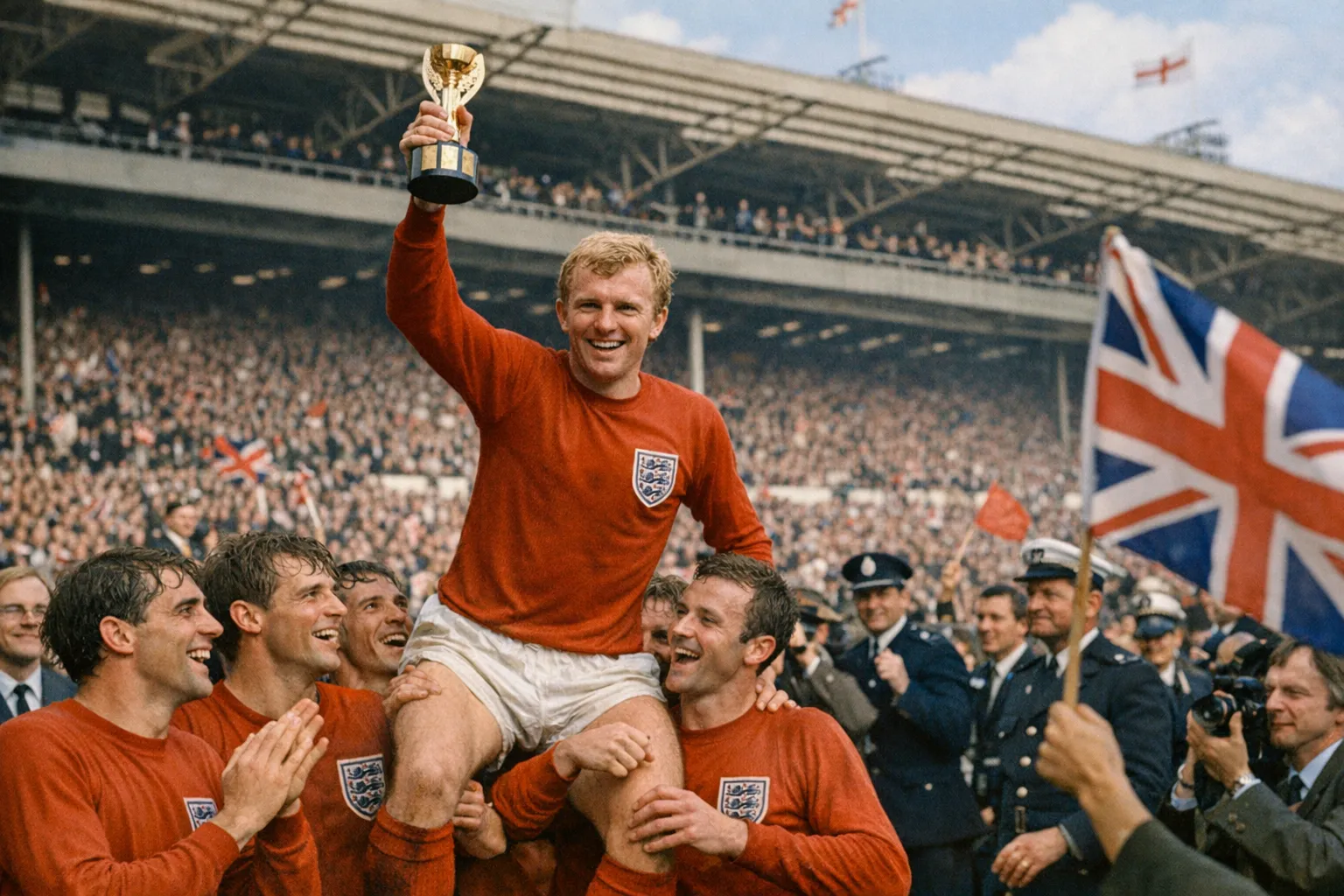
In this exploration, we will delve into how the 1966 World Cup victory united a nation, ignited celebrations, and became a symbol of English success. We'll examine the unforgettable moments from the final at Wembley Stadium, including Geoff Hurst's legendary hat-trick, and how the victory inspired an enduring cultural legacy, including the anthem "Three Lions." Join us as we uncover the profound impact this triumph had on England's national identity.
Historical Context of the 1966 World Cup
Before the 1966 World Cup, England had a rich yet tumultuous football history. While the country is often credited as the birthplace of modern football, it had not yet achieved significant success on the international stage. The national team had participated in the World Cup since its inception in 1930 but had failed to progress beyond the quarter-finals. This backdrop of disappointment set the stage for a heightened expectation leading up to the tournament.
Hosting the World Cup in 1966 was a significant moment for England. It was not just an opportunity to showcase their footballing prowess but also a chance to unite the nation after years of post-war recovery. The tournament's organization and the iconic Wembley Stadium played pivotal roles in elevating the event's status, making it a focal point of national pride.
Key figures emerged in the lead-up to the tournament, notably coach Alf Ramsey and players like Bobby Moore, Sir Bobby Charlton, and Geoff Hurst. Ramsey's tactical innovations and emphasis on teamwork were crucial, while Hurst's explosive talent shone brightly. As commentator Kenneth Wolstenholme famously remarked during the final match, “They think it’s all over… It is now!" His words would resonate through history, encapsulating not just the game but a moment of national euphoria.
The theft of the Jules Rimet trophy just months before the tournament added drama to the narrative. Its recovery by a dog named Pickles became a symbol of hope and tenacity, mirroring England's own aspirations. As the tournament progressed, a nation that had long grappled with footballing disappointments was on the brink of an unforgettable triumph.
The Road to Victory: Key Matches and Players
England's journey to the 1966 World Cup victory was marked by a series of pivotal matches, culminating in an unforgettable final at Wembley Stadium. The team navigated through the group stages with determination and skill, eventually facing strong opponents as they progressed deeper into the tournament.
-
Group Stages: England topped their group, showcasing a solid defense and cohesive teamwork. Key matches included a 0-0 draw against Uruguay and a 2-0 victory over Mexico, setting the stage for their knockout rounds.
-
Quarterfinals and Semifinals: The quarterfinal against Argentina was a nail-biter, ending 1-0 thanks to a controversial goal by Geoff Hurst. In the semifinals, England faced a formidable Eusebio-led Portugal, securing a 2-1 win that propelled them to the final.
The final against West Germany was where Geoff Hurst truly made his mark. Scoring a hat-trick, he became the first and only player to achieve this feat in a World Cup final. His second goal, famously debated for crossing the line, added to the drama of the match. As commentator Kenneth Wolstenholme exclaimed, "They think it’s all over... It is now!" this moment encapsulated the tension and excitement of English football.
Alf Ramsey, the team's manager, played a crucial role in shaping the squad's strategy and morale. His innovative approach included a focus on teamwork and discipline, which fostered a winning mentality among the players. Ramsey's leadership was integral to the team's success and helped elevate English football on the world stage.
In summary, the 1966 World Cup was not just a tournament; it was a defining moment for England, with key matches and standout players like Geoff Hurst cementing a legacy that continues to resonate with national pride today.
The Final Match: A Detailed Breakdown
The final match of the 1966 World Cup, held at Wembley Stadium, is etched in the annals of football history. England faced West Germany in a thrilling encounter that ended with a score of 4–2 after extra time.
Key moments shaped the narrative of this game:
- Geoff Hurst's Hat-Trick: Hurst became the first player to score a hat-trick in a World Cup final, a feat that remains unmatched. His second goal, controversially deemed a valid score, added layers to the match's drama.
- Iconic Commentary: The phrase, "They think it’s all over... It is now!" delivered by commentator Kenneth Wolstenholme during the climax of the match, became a cultural touchstone, symbolizing the euphoria of the moment.
Several turning points defined the match's flow:
- England's Opening Goal: Hurst opened the scoring, igniting the home crowd's hopes.
- West Germany's Equalizer: A determined equalizer from West Germany brought the teams level, showcasing their resilience.
- Extra Time Drama: As the match went into extra time, England's relentless pressure culminated in Hurst's controversial second goal, followed by his third, sealing the victory.
The match was more than just a sporting event; it was akin to a "national catharsis" that united the country in celebration. The victory sparked nationwide street parties, transforming the win into a symbol of national success and pride.
For many, the 1966 World Cup was not merely about football; it was a moment when the nation stood together, echoing the sentiment that triumph can ignite collective identity.
The Recovery of the Jules Rimet Trophy
Before the excitement of the 1966 World Cup could unfold, a significant crisis loomed over England. The Jules Rimet Trophy, awarded to the World Cup winner, was stolen just months prior to the tournament during an exhibition in Westminster. This theft sent shockwaves through the nation, raising concerns and casting a shadow over the event.
Enter Pickles, a dog whose nose for adventure would change the course of history. While sniffing around in South London, Pickles uncovered the trophy hidden in a garden, wrapped in newspaper. His owner, Dave, recognized the significance of the find and promptly contacted the police. The recovery of the trophy was celebrated as a national triumph, restoring not just the trophy itself but also the spirit of the nation on the eve of the tournament.
Public reaction was euphoric. The return of the trophy fueled the anticipation surrounding the World Cup, igniting a sense of relief and excitement among fans. As one commentator aptly put it, "Finding the trophy was like finding a piece of our national identity buried in the backyard."
The trophy's recovery became a story of hope, rallying the nation as they prepared for the final against West Germany. This narrative of loss and redemption added layers to England's only World Cup victory, making it not just a sporting event, but a moment of cultural significance that would resonate for decades.
The Jules Rimet Trophy's incredible journey speaks volumes about how sport can intertwine with national identity, reinforcing a collective pride that emerged from both the theft and its dramatic recovery.
National Celebrations: The Impact of Victory
England's triumph in the 1966 World Cup was more than just a sporting achievement; it was a catalyst for nationwide celebrations that brought the country together. Following the 4–2 victory against West Germany at Wembley Stadium, street parties erupted across towns and cities, transforming the atmosphere into one of collective joy and pride.
-
Street Parties and Public Festivities: Communities organized impromptu gatherings, complete with music, food, and, of course, football-themed decorations. These celebrations weren't just confined to urban areas; rural communities also joined in, showcasing a shared national spirit.
-
Media Coverage and Public Sentiment: The media played a crucial role in amplifying the excitement. Newspapers and broadcasts captured the jubilation, highlighting the recovery of the Jules Rimet trophy, which had been stolen months earlier and found by a dog named Pickles. The narrative around the victory resonated deeply, sparking a wave of national pride.
-
The Role of Football in Uniting the Nation: Football became a unifying force, bridging divides and fostering camaraderie. As one commentator famously noted, “They think it’s all over... It is now!” This phrase encapsulated the unexpected joy of the moment, much like the victory itself—transformative and unforgettable.
The 1966 World Cup victory established a lasting legacy, reinforcing England's identity on the global stage and embedding football into the fabric of national pride. The echoes of that summer continue to resonate, reminding the nation of a time when unity and triumph were shared by all.
Cultural Significance: The Birth of 'Three Lions'
The cultural reverberations of England's 1966 World Cup victory extend far beyond the final whistle. One of the most enduring legacies is the song "Three Lions," released in 1996, which has become synonymous with English football.
Originally penned by comedians David Baddiel and Frank Skinner, along with the band Lightning Seeds, the song encapsulates the hope and fervor of English football fans. Its catchy chorus, "It's coming home," resonates every time the national team takes the field, transforming it into an unofficial anthem for the squad.
- Significance of the Release: The timing of the song's release, coinciding with the UEFA Euro 1996, tapped into a renewed sense of national pride and nostalgia for the 1966 triumph.
- Cultural Impact: The song's lyrics evoke the bittersweet nature of supporting a team that has often fallen short since its glory days, yet still holds aspirations of success.
As a powerful cultural artifact, "Three Lions" represents more than just football; it embodies the spirit of a nation yearning for glory. As one fan famously put it, “Supporting England is like waiting for a bus—lots of anticipation, but it often leaves you standing in the rain.”
- Ongoing Legacy: The song continues to be played at matches, pubs, and celebrations, reinforcing its role in the collective identity of English fans. It has inspired countless covers and adaptations, ensuring its place in football culture for generations to come.
Ultimately, the 1966 World Cup victory and the subsequent rise of "Three Lions" highlight how a single event can shape national identity, weaving football into the very fabric of English culture.
Long-term Effects on National Identity
The 1966 World Cup victory has had profound and lasting effects on England's national identity, embedding football into the very fabric of English culture. This triumph is often cited as the catalyst for the perception of football not just as a sport, but as a cornerstone of national pride. In the decades that followed, the sport became synonymous with English identity, celebrated in pubs, households, and on street corners.
-
Football as Culture: The win transformed the way football was viewed in England. It became a shared experience, fostering a sense of unity among fans. The famous hat-trick by Geoff Hurst, accompanied by the unforgettable commentary, "They think it’s all over... It is now!" became part of the national lexicon, symbolizing not just a game, but a moment of collective joy.
-
Comparison with Other Sports: While cricket and rugby have historically held significant places in English sports culture, the 1966 victory shifted focus predominantly to football. Football's accessibility and grassroots appeal made it the sport of choice for many, leading to its dominance in national consciousness.
-
Impact on Future Generations: The victory inspired a new generation of footballers, who grew up idolizing Hurst and his teammates. This legacy has continued to influence young players, with the dream of emulating their success driving youth participation in football.
As one commentator aptly put it, “Winning the World Cup was like finding the Jules Rimet trophy after it had been stolen—an unexpected joy that united the nation.”
The ripple effects of this victory continue to shape English identity today, influencing not just sports, but also the broader cultural landscape. Events like the creation of the 'Three Lions' anthem in 1996 further solidified football's role as a symbol of national pride, demonstrating that the impact of the 1966 World Cup extends far beyond the pitch.
Myths vs. Reality: Debunking Common Misconceptions
The 1966 World Cup victory is shrouded in a variety of myths that often overshadow its true significance. One prevalent myth is that this win marked the beginning of a golden era for English football. While it certainly brought immense pride, the reality is that England's success on the international stage has been limited since then, with no major tournament victories following the 1966 World Cup.
Another common misconception involves the players themselves, particularly Geoff Hurst, whose hat-trick in the final has been romanticized. Many fans believe this performance was a turning point for Hurst's career, but it’s important to note that he had faced criticism prior to the tournament. His iconic moment is often viewed through a lens of nostalgia, but it was also a culmination of years of hard work and determination.
Furthermore, the ongoing debate about the significance of the win often overlooks its complex legacy. While the victory undoubtedly boosted national pride, some argue that it created unrealistic expectations for future teams. The phrase, "The 1966 World Cup was like a beautiful sunset; it left us in awe but also longing for more," captures this sentiment perfectly.
In summary, while the 1966 World Cup remains a monumental event in English football history, understanding the myths versus the realities helps clarify its true impact on national pride and identity. The celebrations that followed the victory, including street parties and the eventual creation of the "Three Lions" anthem, highlight how deeply embedded this win is in the nation's consciousness.
Lessons Learned: Football and National Pride
The 1966 World Cup victory is a potent reminder of how sports can shape and redefine national identity. Football, in particular, serves as a unifying force, bringing together diverse groups under a shared banner of pride. This moment in history not only celebrated athletic achievement but also fostered a collective sense of belonging among the English people.
The Role of Sports in Shaping National Identity
- Cultural Significance: The triumph at Wembley transformed football from a pastime to a symbol of national pride. It instilled a sense of identity tied to the success of the national team.
- Historical Context: In the aftermath of World War II, the victory provided a much-needed boost to morale, reinforcing a narrative of resilience and success.
How Victories Can Unite or Divide a Nation
- Collective Celebration: The nationwide street parties following the victory illustrated a moment of unity. People from various backgrounds came together to celebrate a common success.
- Polarizing Effects: Conversely, such victories can also highlight social divides, as differing opinions about national identity and pride emerge in the wake of success.
The Importance of Legacy in Sports
The legacy of the 1966 victory continues to resonate, as evidenced by the creation of the song "Three Lions," which has become an unofficial anthem for the England football team. This legacy is akin to planting a flag on a mountain peak; it marks a significant achievement while inspiring future generations to strive for similar heights.
In conclusion, the 1966 World Cup victory serves as a powerful lesson about the intertwining of sports and national pride. It illustrates how a single event can unify a nation, create lasting legacies, and influence cultural identity for decades to come.
Conclusion: The Enduring Legacy of 1966
The 1966 World Cup victory remains a cornerstone of English football culture and national pride. Today, it serves not only as a nostalgic memory but also as a source of inspiration for future generations. This triumph is still celebrated, reminding fans of a time when England stood atop the football world.
Reflecting on the significance of the win, it’s clear that the echoes of that day reverberate through the heart of English football. The jubilant celebrations, marked by street parties and public festivities, fostered a sense of unity and pride that transcended the sport. The victory was more than just a game; it was a defining moment in the national identity.
The impact continues to influence English football culture in various ways:
- Cultural Legacy: The creation of the song "Three Lions" in 1996 became an unofficial anthem, encapsulating the hopes and dreams of fans.
- Historical Awareness: The story of the Jules Rimet trophy's recovery by Pickles the dog adds a whimsical layer to the narrative, making it a cherished part of folklore.
- Inspirational Symbol: Geoff Hurst’s legendary hat-trick is a benchmark, inspiring players and fans alike. As one commentator famously said, “They think it’s all over... It is now!” This moment serves as a reminder of the thrill and unpredictability of sport.
Remembering such historical victories is crucial, not only to honor past achievements but to kindle the ambitions of future teams. The legacy of 1966 is woven into the fabric of English football, reminding all of what can be achieved when talent, determination, and a little luck come together.