
The Glorious Goodwood Horse Racing Festival is more than just a set of races; it's a vibrant cultural event steeped in history and community spirit. With a legacy dating back to 1802, this festival draws thousands of attendees each year, creating a unique blend of sport, socializing, and celebration.
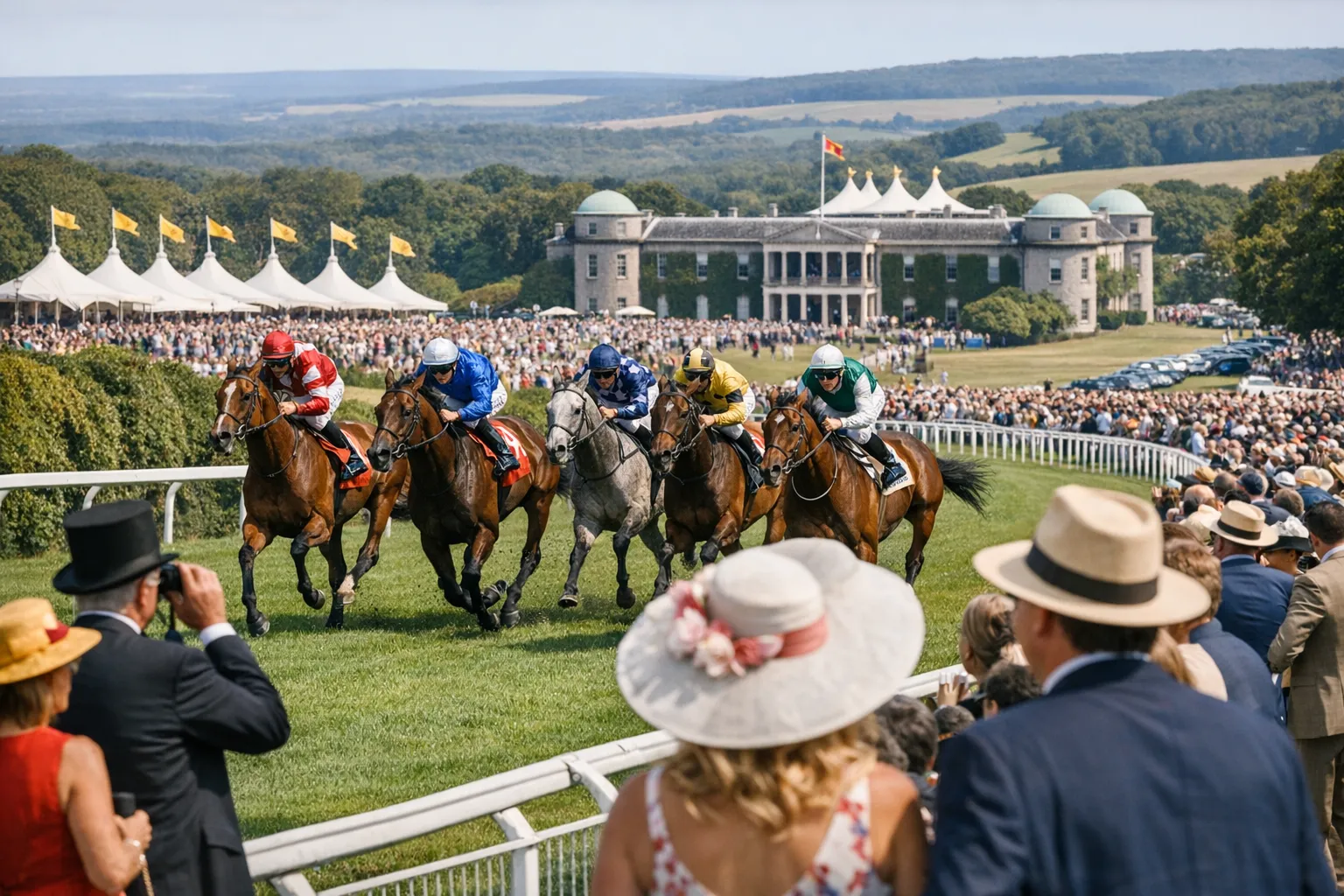
In this article, we'll delve into the multifaceted significance of the Glorious Goodwood Horse Racing Festival, exploring its cultural impact on UK society and its substantial contributions to the local economy. From its picturesque setting in West Sussex to the allure of its prestigious races, discover why this festival remains a cornerstone of British racing culture and a vital economic engine for the region.
Introduction to the Glorious Goodwood Horse Racing Festival
The Glorious Goodwood Horse Racing Festival, also known as the Qatar Goodwood Festival, has been enchanting audiences since its inception in 1802. Nestled in the heart of West Sussex at the Goodwood Racecourse, this five-day event has grown to become a staple of the British racing calendar, celebrated for its rich history and vibrant atmosphere.
As one of the premier racing events in the UK, the festival features 35 top-class races, including the prestigious Sussex Stakes, Goodwood Cup, and Nassau Stakes. These races attract elite horses and jockeys from around the globe, showcasing some of the best talent in the sport.
The picturesque setting on the South Downs enhances the experience, offering stunning views of the rolling hills and lush countryside. Over 100,000 racegoers flock to the festival each year, contributing significantly to the local economy through tourism and hospitality.
King Edward VII famously described the atmosphere as "a garden party with racing tacked on," highlighting the unique blend of relaxation and excitement that defines the festival. This analogy captures the essence of Goodwood, where the thrill of competition meets the charm of a social gathering.
In summary, the Glorious Goodwood Horse Racing Festival is not only a highlight of the racing calendar but also a cultural touchstone that enriches the community and draws international attention.
Cultural Heritage and Historical Context
The Glorious Goodwood Horse Racing Festival, with roots tracing back to 1802, represents a critical chapter in the annals of British horse racing. Initially established as a local event, it has blossomed into a renowned festival that captures the essence of British racing culture. Over its more than two-century history, it has set numerous milestones, including the introduction of prestigious races like the Sussex Stakes and the Goodwood Cup.
This festival is not just a sporting event; it embodies an integral part of British heritage. The picturesque backdrop of the South Downs adds to its charm, making it a visual feast for over 100,000 racegoers each year. The festival's unique atmosphere has even been likened to "a garden party with racing tacked on," as famously noted by King Edward VII. This analogy highlights the blend of elegance and excitement that defines the event.
Moreover, the Glorious Goodwood Horse Racing Festival has a profound influence on local traditions. It fosters a sense of community, drawing families and friends together while supporting local businesses and tourism. The event serves as a reminder of the rich tapestry of British culture, where racing is intertwined with social gatherings, fashion, and festivities.
- Historical milestones since 1802: Establishment as a local event; evolution into a key fixture in the racing calendar.
- Influence on British horse racing culture: Introduction of iconic races; fostering of traditions and community engagement.
- Connection to local traditions: Boosting local economy; creating a festive environment that strengthens community ties.
In essence, the festival is a celebration of both sport and heritage, making it a cornerstone of British cultural identity.
Economic Impact on the Local Community
The Glorious Goodwood Horse Racing Festival is not just a highlight of the British racing calendar; it serves as a crucial economic engine for West Sussex. With over 100,000 racegoers flocking to the event annually, the impact on local tourism is substantial. Visitors from across the UK and beyond contribute to the local economy, bringing a wave of spending that benefits various sectors.
Key Economic Contributions:
-
Tourism Statistics: The influx of over 100,000 attendees generates significant revenue for local businesses, particularly in hospitality and retail. Hotels, restaurants, and shops see a sharp increase in patronage during the festival week.
-
Impact on Local Businesses: Many local establishments prepare for the festival months in advance. Restaurants often create special menus, and retailers stock up on merchandise related to the event. This surge in demand helps sustain local businesses throughout the year.
-
Job Creation: The festival creates numerous seasonal employment opportunities. From hospitality staff to event coordinators, the need for temporary workers rises dramatically. This not only helps individuals gain experience but also provides a financial boost to families in the area.
As King Edward VII famously remarked, the atmosphere is like "a garden party with racing tacked on," reflecting its dual appeal of leisure and competition. The festival exemplifies how a cultural event can significantly enhance the economic landscape of a community, proving that horse racing is more than just a sport; it is a vital part of West Sussex's economic vitality.
The Festival's Unique Atmosphere
The Glorious Goodwood Horse Racing Festival is not just another event on the racing calendar; it embodies a unique atmosphere that sets it apart from other racing gatherings. Unlike the more formal and often frenetic pace of events like Ascot, Goodwood offers a relaxed yet stylish ambiance, famously described by King Edward VII as “a garden party with racing tacked on.” This analogy captures the essence of the festival perfectly.
Held annually at the picturesque Goodwood Racecourse in West Sussex, the festival features 35 top-class races, including the distinguished Sussex Stakes, Goodwood Cup, and Nassau Stakes. The stunning views of the South Downs enhance the experience, drawing over 100,000 racegoers each year who are eager to soak in the scenery and the excitement.
Fashion plays a crucial role in the festival's allure. Attendees often dress to impress, showcasing a blend of classic elegance and contemporary flair. The social gatherings extend beyond the races, creating an environment where conversations and connections flourish.
- Stylish Attire: From tailored suits to extravagant hats, fashion is a core element.
- Social Events: Various functions and gatherings encourage mingling among guests.
- Casual Yet Sophisticated: The atmosphere balances high-stakes racing with a laid-back vibe.
This unique blend of elegance, social interaction, and thrilling competition makes the Glorious Goodwood Horse Racing Festival a standout event in the UK’s cultural landscape.
Key Races and Their Significance
The Glorious Goodwood Horse Racing Festival is not just about the thrill of the race; it’s a celebration of tradition, prestige, and international competition. Among the 35 races featured during this illustrious five-day event, three stand out: the Sussex Stakes, Goodwood Cup, and Nassau Stakes.
Sussex Stakes
The Sussex Stakes is often referred to as the "Duel on the Downs," showcasing the best flat horses in a showcase of speed and skill. Historically significant since 1841, it has become a coveted title for both horses and jockeys, drawing top contenders from around the globe.
Goodwood Cup
Next up is the Goodwood Cup, a race steeped in history since 1808. This two-mile test of endurance not only highlights stamina but also attracts international horses, creating a diverse field that captivates audiences. The race is a true benchmark for stayers, with many winners going on to achieve greatness in other prestigious events.
Nassau Stakes
The Nassau Stakes, initiated in 1840, is another highlight, focusing on fillies and mares. Its significance lies in the prestige it confers on the winner, often marking their place in racing history. This race also brings in a wide array of international competitors, contributing to the festival’s global appeal.
"The Glorious Goodwood is like a fine wine; it gets better with age, attracting the best from all corners of the world."
The allure of these races not only elevates the festival’s status but also plays a crucial role in the local economy. With over 100,000 racegoers attending annually, the event boosts tourism and hospitality, underscoring the multifaceted significance of the Glorious Goodwood Horse Racing Festival in the UK.
The Role of International Participation
The Glorious Goodwood Horse Racing Festival, also known as the Qatar Goodwood Festival, stands as a beacon of international horse racing, drawing participants from across the globe. This five-day event not only showcases the finest horses and jockeys but also fosters a unique cultural exchange that enriches the overall experience.
Attraction of International Horses and Jockeys
Every year, the festival features around 35 top-class races, including the prestigious Sussex Stakes, Goodwood Cup, and Nassau Stakes. This lineup attracts elite competitors from various countries, enhancing the competitive spirit and diversity of the event. The presence of international horses and jockeys elevates the stakes, making each race a thrilling spectacle for attendees.
Cultural Exchange Through Racing
The convergence of different cultures at Goodwood allows for a fascinating exchange of traditions and practices in horse racing. Jockeys from diverse backgrounds bring their unique riding styles and techniques, while spectators enjoy a blend of international racing customs. This cultural melting pot not only enhances the festival’s atmosphere but also deepens the appreciation of racing as a global sport.
Impact on the Festival's Prestige
The international participation significantly boosts the prestige of the Glorious Goodwood Horse Racing Festival. With over 100,000 racegoers attending annually, the event has become a highlight of the British racing calendar since 1802. The picturesque setting on the South Downs adds to its allure, providing stunning views that complement the excitement of the races. As a result, Goodwood has solidified its reputation as a premier destination for horse racing enthusiasts, both domestically and abroad.
In summary, the festival's global appeal not only enhances its status within the horse racing community but also contributes to the cultural fabric of the UK, making it a hallmark of sporting excellence.
Challenges and Criticisms of the Festival
While the Glorious Goodwood Horse Racing Festival is a celebrated event in the UK, it is not without its challenges and criticisms. Several issues have been raised, reflecting the complexities surrounding such a large-scale event.
-
Concerns about animal welfare: As with any horse racing event, there is ongoing scrutiny regarding the treatment of the horses. Critics argue that the pressure to perform can lead to injuries or distress for the animals. Advocates for animal rights continue to push for reforms in racing regulations to ensure the well-being of the horses involved.
-
Environmental impact of large gatherings: The festival attracts over 100,000 racegoers annually, which inevitably raises concerns about its environmental footprint. Increased traffic, waste generation, and disruption to local wildlife habitats are significant issues. Efforts to mitigate these impacts, such as promoting sustainable practices and public transport, are essential for balancing the festival with ecological responsibility.
-
Balancing tradition with modern expectations: The Glorious Goodwood Horse Racing Festival has a rich history dating back to 1802, and while tradition is a cornerstone of the event, it faces pressure to adapt to modern societal values. This includes addressing concerns over animal rights and environmental sustainability while maintaining the festival's charm and cultural significance.
These challenges highlight the need for ongoing dialogue and reform to ensure that the Glorious Goodwood Horse Racing Festival can thrive in a way that respects both its historical roots and contemporary ethical standards. For more insights into the intersection of horse racing culture and its evolution, check out UK Horse Racing Culture.
Future Prospects for the Glorious Goodwood
As the Glorious Goodwood Horse Racing Festival approaches its third century, its future holds both challenges and opportunities in a rapidly evolving landscape.
Trends in Horse Racing and Tourism
The popularity of horse racing is witnessing a transformation, with younger audiences seeking more engaging and interactive experiences. Festivals like Glorious Goodwood can capitalize on this shift by incorporating technology and enhancing the spectator experience. Additionally, the integration of social media can help attract a broader demographic, especially among millennials who value both social interaction and entertainment.
Potential for Growth and Innovation
With over 100,000 racegoers annually, there’s significant potential for growth. Innovative approaches such as themed race days, enhanced hospitality packages, and partnerships with local businesses can elevate the festival experience. For instance, introducing exclusive VIP areas with gourmet dining could cater to affluent guests looking for a unique outing.
Adapting to Societal Changes
As societal values shift toward sustainability, the Glorious Goodwood must adapt. Implementing eco-friendly practices, such as reducing waste and promoting local produce, aligns with growing consumer awareness. Furthermore, the festival's picturesque setting on the South Downs can be leveraged to enhance its appeal as a family-friendly event, making it an attraction for those who appreciate both nature and sport.
By staying attuned to these trends and embracing innovation, the Glorious Goodwood can ensure its relevance and continue to thrive in the competitive world of horse racing.
FAQs About the Glorious Goodwood Horse Racing Festival
What makes Goodwood unique?
The Glorious Goodwood Horse Racing Festival stands out due to its combination of elite horse racing and picturesque surroundings. Nestled in the South Downs, the Goodwood Racecourse offers breathtaking views that enhance the overall experience. The festival features 35 top-class races, including prestigious events like the Sussex Stakes and Goodwood Cup, attracting international competitors. Its rich history, dating back to 1802, adds depth and tradition that is rarely found in contemporary racing events.
How to attend the festival?
Attending the Glorious Goodwood is relatively straightforward. Tickets can be purchased online through the official Goodwood website or at the venue on race days. The festival typically runs for five days, so planning ahead is advisable. Various hospitality packages are available, offering everything from casual viewing to exclusive dining experiences, making it accessible for all types of visitors.
What should visitors know before attending?
Before attending the festival, here are a few things to keep in mind:
- Dress Code: While the atmosphere is relaxed, smart attire is encouraged. Many attendees opt for a stylish garden party look.
- Transportation: Consider public transport options to avoid parking issues, as the event attracts over 100,000 racegoers annually.
- Timing: Arrive early to soak in the ambiance and enjoy pre-race activities.
- Local Economy Impact: Your visit contributes significantly to the local economy, especially in tourism and hospitality sectors.
For further insights, you can explore the Goodwood Racecourse History and learn about UK Horse Racing Culture.
Conclusion: The Enduring Legacy of the Glorious Goodwood
The Glorious Goodwood Horse Racing Festival stands as a pillar of both cultural and economic significance in the UK. Over its rich history since 1802, the festival has not only showcased top-class races like the Sussex Stakes and Goodwood Cup but has also become a symbol of British racing heritage. Each year, it draws over 100,000 attendees, who contribute to the local economy through tourism and hospitality, underscoring its role as a vital economic driver for West Sussex.
The picturesque setting on the South Downs enhances the festival's allure, making it a unique blend of sport and social gathering. Often described as "a garden party with racing tacked on" by King Edward VII, the event fosters a relaxed yet stylish atmosphere that attracts both seasoned racing fans and newcomers alike. This blend of elegance and excitement helps preserve the traditions of horse racing, ensuring that the rich legacy continues for future generations.
Looking ahead, the Glorious Goodwood is poised to maintain its esteemed position in the British racing calendar. As it evolves to meet modern expectations while honoring its historical roots, the festival will undoubtedly continue to celebrate the unique aspects of UK culture and contribute to the economy. The enduring legacy of the Glorious Goodwood Horse Racing Festival is a testament to its significance, both locally and nationally.