
The allure of the 'Mona Lisa' transcends centuries, captivating art lovers and casual observers alike. What is it about this painting that has sparked endless intrigue and debate?
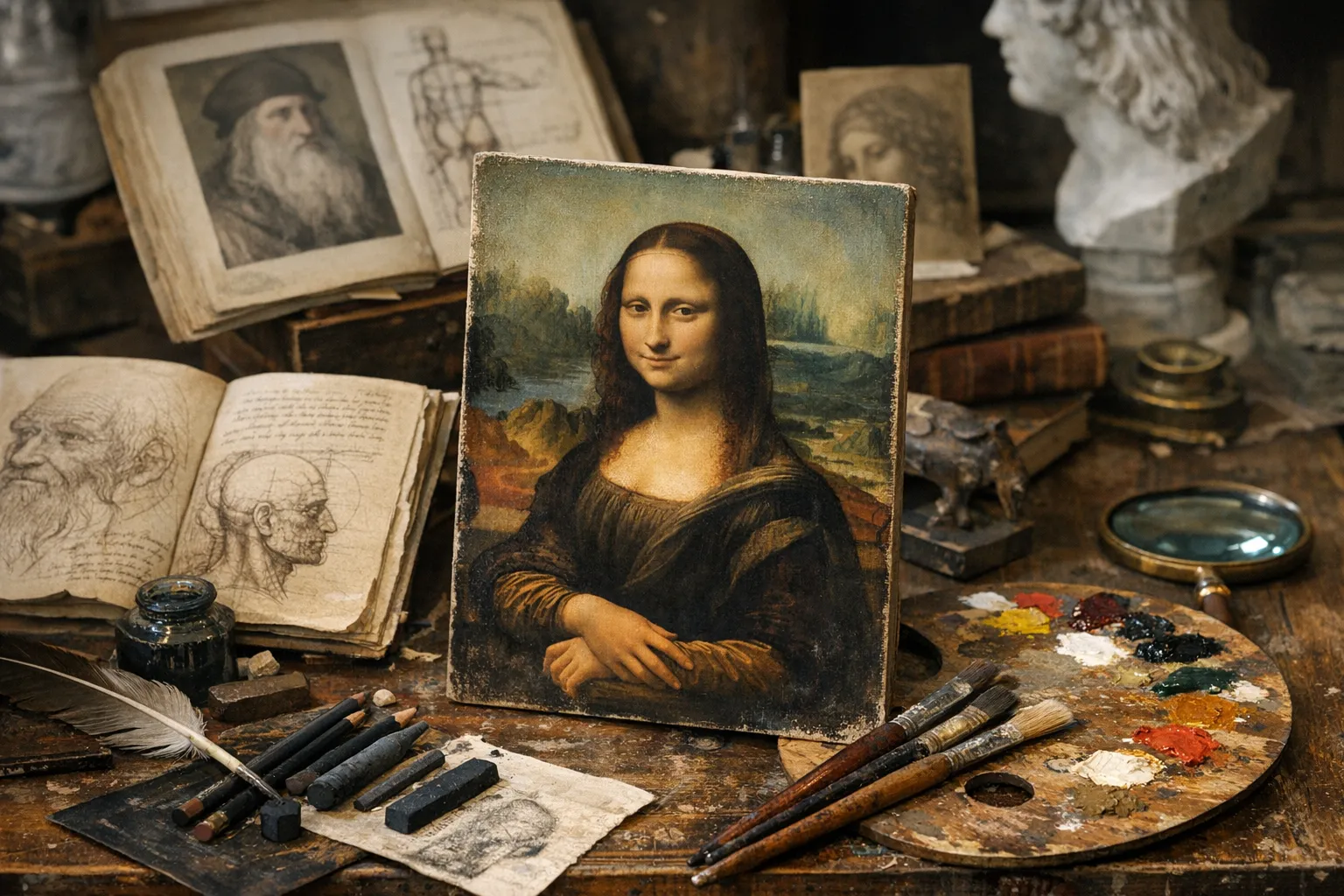
In this exploration, we will delve into the artistic techniques employed by Leonardo da Vinci, such as the masterful use of sfumato, and examine the historical context that propelled the 'Mona Lisa' into the spotlight. From its theft in 1911 to its current home in a climate-controlled enclosure at the Louvre, we’ll uncover the myriad factors that contribute to the painting’s enduring legacy and its profound impact on both art and popular culture.
The Sfumato Technique: A Masterstroke of Da Vinci
Sfumato, derived from the Italian word "sfumare," meaning "to evaporate," is a painting technique that creates soft transitions between colors and tones. This method was revolutionary during the Renaissance, allowing artists to achieve a more lifelike quality in their works. Leonardo da Vinci's mastery of sfumato is particularly evident in the 'Mona Lisa', where it contributes to her enigmatic expression and the overall atmospheric depth of the painting.
In the 'Mona Lisa', da Vinci applied sfumato to seamlessly blend the colors of her skin, hair, and clothing. This technique results in a subtle haze that makes her appear almost three-dimensional, as if she could step out of the frame. Notably, the soft shadows around her eyes and the delicate gradation of light on her face enhance her lifelike presence, captivating viewers for centuries.
Other artists have utilized similar techniques, such as Correggio in his works, where soft edges create a sense of volume and realism. Additionally, Titian’s portraits exhibit a form of sfumato, although less refined than da Vinci’s application.
"Sfumato is like a whisper in a crowded room, drawing the eye and inviting closer inspection."
The use of sfumato not only showcases da Vinci's technical skill but also reflects the broader trends in Renaissance art, where the pursuit of realism became paramount. This careful blending of colors and tones in the 'Mona Lisa' not only makes her a subject of fascination but also a timeless embodiment of artistic innovation.
The Choice of Material: Poplar Wood and Its Importance
The material choice for the 'Mona Lisa' plays a crucial role in its artistic integrity and longevity. Painted on a poplar wood panel, Leonardo da Vinci selected this material for its unique characteristics that enhanced his technique and the painting's durability.
-
Stability and Smoothness: Poplar wood is known for its stability and smooth surface, making it less prone to warping compared to other woods used during the Renaissance, such as oak or walnut. This stability allowed da Vinci to employ the sfumato technique more effectively, creating soft transitions between colors and tones that contribute to the lifelike quality of the portrait.
-
Comparative Advantages: While many artists of the time favored oak for its sturdiness, poplar's finer grain offered a smoother canvas that suited finer brushwork. This difference is significant, as it enabled da Vinci to achieve the subtle effects that have captivated viewers for centuries.
-
Longevity Impact: The choice of poplar has directly influenced the painting's preservation. Today, the 'Mona Lisa' is housed in a climate-controlled enclosure at the Louvre Museum, protecting it from fluctuations in temperature, humidity, and light. This careful preservation strategy, paired with the inherent qualities of poplar wood, has helped the painting withstand the test of time.
In summary, the use of poplar wood in the 'Mona Lisa' not only facilitated Leonardo's innovative artistic techniques but also significantly contributed to the painting's enduring legacy. Its combination of stability and smoothness allowed for the exquisite detail that continues to enchant art lovers today.
Explore more about Leonardo da Vinci: #leonardo-da-vinci
Learn about Renaissance art: #renaissance-art
Visit the Louvre Museum online: #louvre-museum
The Theft of 1911: A Turning Point in Fame
The theft of the 'Mona Lisa' in 1911 marked a dramatic shift in its recognition and status. Stolen from the Louvre by an Italian handyman named Vincenzo Peruggia, the painting vanished for over two years. When it was finally recovered in 1914, the event had generated an extraordinary amount of media coverage, capturing public attention like never before.
-
Media Coverage: Newspapers worldwide reported on the theft, transforming what was once a celebrated artwork into a sensational story. Headlines blared about the audacious heist, and the painting became a topic of discussion not only in art circles but also among the general public.
-
Public Reaction: The theft ignited curiosity and fascination. People wanted to see the 'Mona Lisa' more than ever, turning it into a cultural phenomenon. This widespread interest led to increased visitor numbers at the Louvre, significantly boosting the painting's fame.
As a result of this event, the 'Mona Lisa' transitioned from being a revered artwork to a cultural icon. Its mystique deepened, and it became synonymous with the art world itself. The theft even inspired countless imitations and parodies, highlighting its indelible mark on popular culture.
Today, the 'Mona Lisa' remains protected in a climate-controlled enclosure at the Louvre, ensuring its preservation while continuing to captivate audiences globally. This lasting intrigue is a testament to how pivotal moments in history can elevate art into the realms of legend.
Climate Control: Preserving a Masterpiece
The preservation of the Mona Lisa is a testament to modern conservation techniques, most notably the climate-controlled enclosure at the Louvre Museum. This state-of-the-art environment ensures that the painting remains safeguarded against harmful fluctuations in temperature, humidity, and light, which can significantly deteriorate artwork over time.
Environmental factors play a crucial role in the longevity of all artworks. For instance, high humidity can lead to mold growth, while extreme temperature changes can cause materials to expand and contract, leading to cracks. The Mona Lisa, painted on a poplar wood panel selected for its stability, benefits greatly from these controlled conditions. This material is less prone to warping compared to other woods, which further aids in maintaining the painting's integrity.
When compared to other famous artworks, the importance of such preservation measures becomes evident. For example, many notable pieces have suffered damage due to inadequate environmental control. The Sistine Chapel’s frescoes, exposed to moisture and pollutants, have required extensive restoration efforts to counteract the effects of time and exposure.
In contrast, the Louvre's careful stewardship of the Mona Lisa—enhanced by its climate-controlled display—ensures that this iconic painting continues to inspire awe and wonder in viewers of all ages. As a result, it not only retains its beauty but also its historical significance in the art world.
Cultural Impact: Imitations and Parodies
The 'Mona Lisa' has transcended its origins as a Renaissance masterpiece, becoming a cultural icon that invites reinterpretation and imitation across various media. Its allure has sparked countless parodies and adaptations, reflecting both its artistic significance and universal appeal.
Famous Imitations and Parodies
- The Simpsons: One of the most memorable parodies appears in an episode where Lisa Simpson poses as the 'Mona Lisa', cleverly riffing on the original's enigmatic expression.
- Warhol's Pop Art: Andy Warhol’s reinterpretation infused the 'Mona Lisa' with vibrant colors and contemporary flair, highlighting the painting's adaptability to modern art movements.
- Dali's Surrealism: Salvador Dalí painted his version, showcasing the 'Mona Lisa' with melting clocks, merging her timelessness with the surreal.
Why the 'Mona Lisa' Lends Itself to Reinterpretation
The 'Mona Lisa' captivates audiences due to its intricate details and enigmatic expression, achieved through da Vinci's masterful use of the sfumato technique. This method creates soft transitions between colors, allowing viewers to perceive a lifelike quality that invites personal interpretation. Additionally, the painting's theft in 1911 garnered massive publicity, elevating its status and making it a frequent subject of discussion and creativity.
Impact on Contemporary Artists and Media
Contemporary artists continue to draw inspiration from the 'Mona Lisa', using her image as a canvas for social commentary or personal expression. The painting's presence in popular culture, from memes to advertisements, ensures that it remains relevant, engaging new generations. Its display at the Louvre Museum, protected in a climate-controlled enclosure, ensures that this iconic work remains accessible and admired, fostering a continuous cycle of fascination and reinterpretation.
In exploring the 'Mona Lisa', we see not just a painting, but a cultural phenomenon that continues to inspire and provoke thought across different eras and artistic expressions.
The Enduring Mystery of the 'Mona Lisa'
The 'Mona Lisa' captivates not only through its artistic mastery but also through the myriad mysteries surrounding its subject and creation. The identity of the sitter, widely believed to be Lisa Gherardini, remains a topic of debate. Various speculations have emerged, suggesting alternative identities ranging from courtesans to noblewomen, which only deepens the intrigue.
Equally enigmatic is the painting's famous smile. Some theorists propose that the smile represents a complex emotional state, hinting at deeper psychological layers. This blend of ambiguity invites viewers to project their interpretations, making the 'Mona Lisa' a canvas of endless speculation.
These mysteries significantly contribute to the painting's allure. Consider the following aspects:
- Identity Speculations: The debate over the sitter's identity fuels discussions and research, keeping public interest alive.
- The Enigmatic Smile: The smile’s ambiguity invites varied emotional responses, making each viewing a unique experience.
- Cultural Impact: The painting's theft in 1911 and subsequent recovery generated massive publicity, catapulting its fame to unprecedented heights.
The 'Mona Lisa' is more than a painting; it's a cultural phenomenon that continues to inspire awe. Housed in a climate-controlled enclosure at the Louvre Museum, it endures as a testament to Leonardo da Vinci's genius and the mysteries that keep generations of admirers captivated.
For those interested in delving deeper, explore more about Leonardo da Vinci: #leonardo-da-vinci, learn about Renaissance art: #renaissance-art, or visit the Louvre Museum online: #louvre-museum.
Historical Context: The Renaissance and Its Influence
The Renaissance, spanning roughly from the 14th to the 17th century, marked a significant cultural rebirth in Europe, emphasizing humanism, exploration, and artistic innovation. This period laid the groundwork for a transformative shift in artistic techniques, and Leonardo da Vinci emerged as a pivotal figure within this movement.
Da Vinci's contributions to art during the Renaissance were revolutionary. He employed the sfumato technique in the 'Mona Lisa', which allows for soft transitions between colors and tones. This technique contributes to the painting's lifelike quality, capturing nuances of expression that resonate with viewers even today. His mastery of light and shadow, combined with a profound understanding of human anatomy, set new standards for realism in portraiture.
Several historical factors influenced the themes of the 'Mona Lisa'. The era's focus on individualism is reflected in the painting's psychological depth. The enigmatic smile of the subject invites endless interpretation, mirroring the Renaissance fascination with the complexities of human emotion. Additionally, the choice of poplar wood for the panel highlights the era's pursuit of stability and precision in materials, further enhancing the painting’s enduring appeal.
The 'Mona Lisa' also gained notoriety through its theft in 1911, which generated unprecedented publicity and solidified its status as a cultural icon. Today, it resides in a climate-controlled enclosure at the Louvre Museum, safeguarding its legacy and allowing it to inspire awe across generations.
For those looking to dive deeper into Leonardo da Vinci's extraordinary life, feel free to explore more about Leonardo da Vinci or learn about Renaissance art. You can also visit the Louvre Museum online to experience the magic of the 'Mona Lisa' firsthand.
Viewer Experience: The 'Mona Lisa' at the Louvre
Visiting the 'Mona Lisa' at the Louvre is an experience steeped in anticipation and wonder. The museum's layout directs visitors through a series of grand halls, ultimately leading to the Denon Wing, where da Vinci’s masterpiece resides. Here, the painting is secured behind a climate-controlled glass enclosure, ensuring its preservation while simultaneously elevating its mystique.
As viewers approach, a palpable sense of excitement fills the air. The crowd often assembles in a semi-circle before the artwork, phones raised for photographs, yet many find themselves momentarily speechless. The ‘Mona Lisa’ draws a diverse audience, from art historians to casual tourists, all eager to catch a glimpse of her enigmatic smile. The atmosphere buzzes with murmurs of admiration and speculation about the techniques employed by da Vinci, notably his use of sfumato to create soft transitions between colors and tones, contributing to her lifelike presence.
The viewing experience is further enhanced by the intimate scale of the painting, rendered on a poplar wood panel that adds to its stability. Standing before it, visitors can appreciate the subtle details that often go unnoticed in reproductions. This proximity allows for a deeper understanding of the artistry involved, as the delicate brushwork and nuanced expressions come to life.
Moreover, the historical context of the painting amplifies its allure. The infamous theft in 1911 and subsequent recovery only intensified its fame, making it a subject of endless fascination and countless imitations. The ‘Mona Lisa’ is not just a painting; it’s a cultural icon that continues to inspire awe and wonder in viewers of all ages.
For those interested in exploring more, the Louvre Museum offers a rich history that goes beyond just this singular masterpiece.
Myths vs. Reality: Debunking Common Misconceptions
The 'Mona Lisa' has captivated audiences for centuries, but with this fascination comes a plethora of myths. Here’s a breakdown of some prevalent misconceptions and the reality behind them.
-
Myth: The 'Mona Lisa' has no eyebrows.
Reality: The eyebrows are faint but present. Leonardo da Vinci employed the sfumato technique to create subtle transitions, giving the painting its lifelike quality. This technique often softens details, leading to the perception that the eyebrows are missing. -
Myth: The painting is just a simple portrait.
Reality: The 'Mona Lisa' is much more than a portrait; it encapsulates complex themes of identity and emotion. Da Vinci’s use of atmospheric perspective enhances the depth, making it a masterclass in art. -
Myth: The 'Mona Lisa' was always famous.
Reality: While it was admired, the painting skyrocketed to fame after being stolen in 1911. The theft generated immense publicity, transforming it into a global icon. -
Myth: The 'Mona Lisa' is displayed in poor conditions.
Reality: It is housed in a climate-controlled enclosure at the Louvre Museum, protecting it from fluctuations in temperature, humidity, and light, ensuring its preservation for future generations.
These myths contribute to the mystique surrounding the 'Mona Lisa', making it not just a painting, but a cultural phenomenon. The interplay of fact and fiction continues to intrigue art lovers and historians alike, highlighting the painting's enduring legacy.
For a deeper dive into Leonardo da Vinci's life, check out Explore more about Leonardo da Vinci. If you're curious about the artistic movements of the time, learn about Renaissance art. Finally, you can visit the Louvre Museum online for a closer look at this masterpiece.
Conclusion: The Timeless Appeal of the 'Mona Lisa'
The enduring fascination with the 'Mona Lisa' stems from a blend of masterful artistic techniques and pivotal historical events. Leonardo da Vinci's use of the sfumato technique stands out, as it creates soft transitions between colors and tones, giving the painting its lifelike quality. Additionally, the choice of poplar wood for the panel ensures stability and a smooth surface, contributing to the artwork's preservation and aesthetic appeal.
Historically, the painting's theft in 1911 marked a significant moment that catapulted the 'Mona Lisa' into global consciousness. The ensuing publicity not only increased its fame but also solidified its status as a cultural icon. Today, it is housed in a climate-controlled enclosure at the Louvre Museum, safeguarding it from environmental factors and ensuring its longevity for future generations.
The impact of the 'Mona Lisa' extends beyond the realm of fine art; it has inspired countless imitations and parodies, highlighting its profound influence on both art and popular culture. As part of the Louvre's permanent collection, the 'Mona Lisa' continues to captivate viewers of all ages, embodying the timeless appeal of a true masterpiece.
In summary, the combination of da Vinci's innovative techniques, significant historical moments, and the painting's cultural reverberations all contribute to the 'Mona Lisa' being a timeless icon in the art world.