
The 1980 Miracle on Ice was more than just a hockey game; it was a moment that resonated deeply within the American consciousness during one of the most tumultuous periods of the Cold War. As a group of college players took on the formidable Soviet Union, their unexpected victory sparked a sense of unity and pride that transcended the rink.
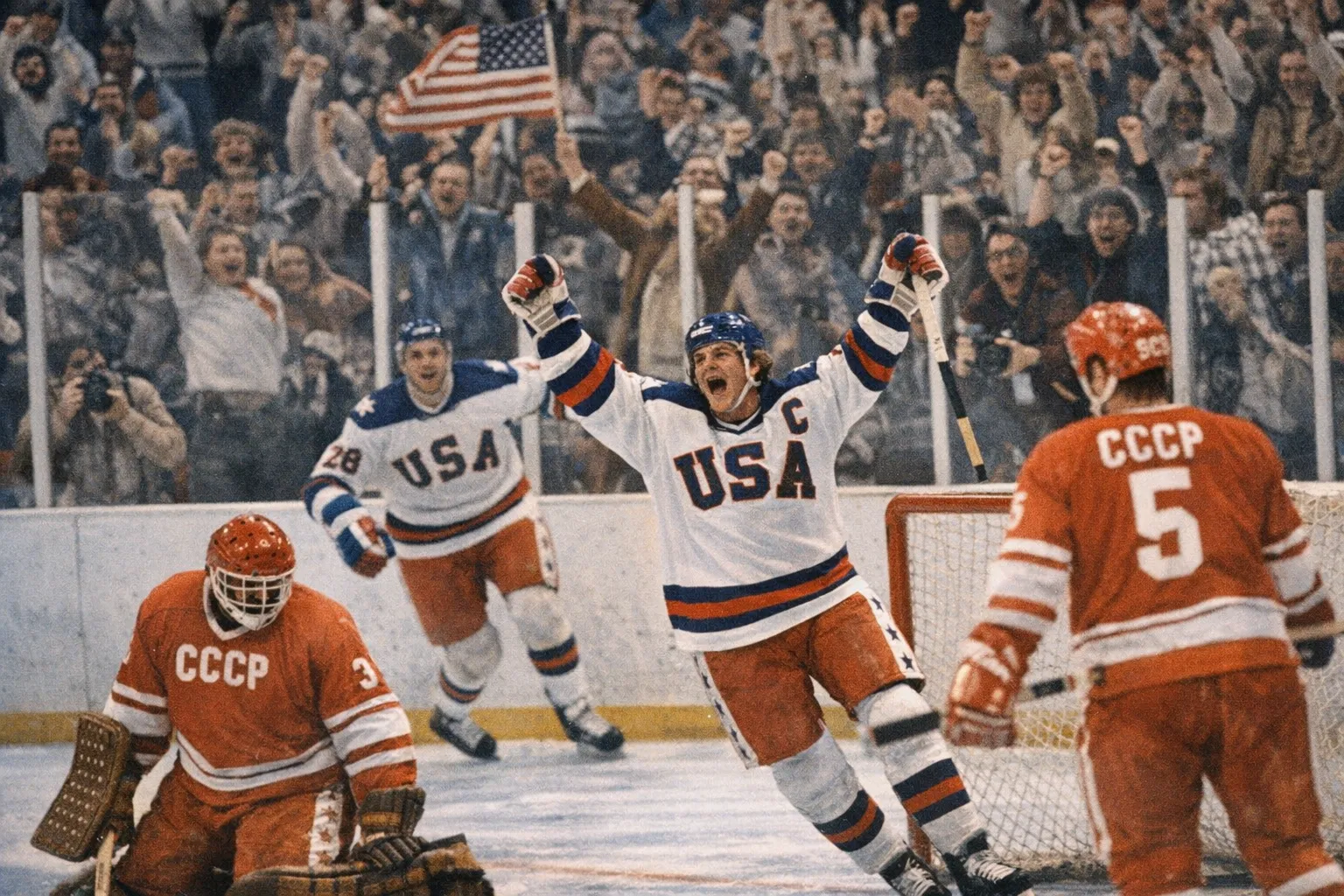
In this analysis, we'll explore how this singular sporting event shaped national identity amidst geopolitical tensions, including the Soviet invasion of Afghanistan and the Iran Hostage Crisis. By examining the game itself, the broader historical context, and its lasting impact on American culture, we'll uncover why the Miracle on Ice remains a defining moment for a generation, influencing not just sports, but the very psyche of a nation.
Historical Context: The Cold War and American Sentiment
The late 1970s were marked by escalating tensions in the Cold War, which profoundly influenced American sentiment. The geopolitical landscape was fraught with anxiety as the Soviet Union asserted itself on the world stage, culminating in the invasion of Afghanistan in 1979. This act not only heightened fears of Soviet expansionism but also intensified the ideological battle between the U.S. and its communist rival.
Simultaneously, the U.S. faced significant economic challenges, including high inflation and energy crises. The Iran Hostage Crisis, which began in 1979, further compounded feelings of vulnerability and discontent among the American public. The nation was grappling with a perception of decline, both on the global front and domestically.
In this context, the 1980 U.S. Olympic hockey team's unexpected victory over the Soviet Union—a nation that had dominated Olympic ice hockey, winning five of the six previous Winter Games—served as a poignant moment of national pride. The game, dubbed the "Miracle on Ice," became more than just a sporting event; it was a rallying cry. As one commentator aptly noted, "It was like David slaying Goliath, a testament to American grit and perseverance."
The victory was watched by an estimated 36 million viewers, reflecting a collective engagement that transcended the rink. The triumph not only lifted spirits but also became a symbol of resilience during a period of economic recession and international tension. It inspired generations, leaving a lasting impact on American identity and the popularity of hockey in the years that followed.
The U.S. Olympic Hockey Team: Underdogs Against Giants
The 1980 U.S. Olympic hockey team was a remarkable assembly of talent, primarily composed of college players who were seen as underdogs in a sport dominated by the Soviet Union. In the years leading up to the Olympics, the Soviets had won gold medals in five of the six previous Winter Games, showcasing their prowess and establishing an intimidating legacy. This dominance set the stage for a monumental clash at Lake Placid.
Coach Herb Brooks was instrumental in transforming this group of young athletes into a competitive force. His innovative strategies included the implementation of the 'weave' offensive play, designed to disrupt the Soviet defense. Brooks also enforced a rigorous training regimen that pushed the players to their limits, instilling a sense of resilience and camaraderie.
As Brooks famously said, "The only way to beat the Soviets was to play the game differently." This analogy encapsulated his approach: to outsmart the giants rather than outmatch them physically.
The culmination of Brooks' methods and the team's determination was showcased during their iconic 4-3 victory over the Soviets. This moment not only shocked the hockey world but also resonated with a nation grappling with economic challenges and Cold War tensions. The game attracted a staggering 36 million viewers, reflecting its significance beyond mere sports, as it symbolized American resilience and unity at a critical juncture in history.
The legacy of the 'Miracle on Ice' continues to inspire generations of players and fans, solidifying its place in both sports and American cultural identity.
The Game: A Detailed Breakdown of the Miracle on Ice
The 1980 Miracle on Ice was not just a game; it was a spectacle that captivated a nation. The U.S. ice hockey team, composed mainly of college players, faced off against the mighty Soviet Union, the four-time defending Olympic champions, in a match that would go down in history.
Overview of the Game's Progression:
- First Period: The U.S. started strong, but the Soviets quickly took control, leading 2-1 at the end of the first period.
- Second Period: The Americans regrouped, showcasing tenacity and determination. They managed to tie the game at 2-2, setting the stage for an intense showdown.
- Final Period: The U.S. stunned everyone by scoring two goals, ultimately winning 4-3.
Key Plays and Turning Points:
- The U.S. team, under coach Herb Brooks, utilized innovative strategies, including the "weave" offensive play, to outmaneuver the Soviet defense.
- The pivotal moment came in the final minutes when Mark Johnson scored a crucial goal that shifted momentum.
The Role of the Crowd and Media:
The atmosphere in Lake Placid was electric, with the crowd roaring in support. As one commentator put it, "It was like watching a David vs. Goliath tale unfold on ice." The game was broadcast to a record 36 million viewers, emphasizing its significance beyond sports. The victory not only represented a triumph in hockey but also served as a morale boost for a nation grappling with economic recession and Cold War tensions.
The Miracle on Ice became a symbol of American resilience, inspiring generations of hockey players and fans alike, and solidifying its place in the cultural identity of the United States.
Cultural Impact: How the Miracle on Ice Shaped American Identity
The 1980 Miracle on Ice was more than just a hockey game; it became a powerful symbol of resilience and determination for a nation grappling with the challenges of the Cold War. The U.S. ice hockey team, primarily made up of college players, achieved an unexpected 4-3 victory over the Soviet Union, a team that had dominated Olympic ice hockey for years. This triumph resonated deeply within the American psyche, capturing the spirit of a nation facing economic hardships and international tensions.
Impact on Sports Culture
The victory fostered a new wave of enthusiasm for hockey across the United States. Youth hockey programs saw a surge in participation as young athletes aspired to emulate their heroes. The event not only elevated the profile of hockey but also encouraged a broader cultural embrace of sports as a medium for national pride.
The Role of Media
Media played a crucial role in amplifying the event's significance. The game was watched by an estimated 36 million viewers, reflecting a collective engagement that transcended sports. Commentator Al Michaels’ iconic question, “Do you believe in miracles?” encapsulated the moment’s emotional weight, likening the victory to a fairy tale that united a divided nation.
Lasting Legacy
The Miracle on Ice left an indelible mark on American culture, inspiring countless players and fans. It became a touchstone for discussions about perseverance and unity during tough times. As one commentator noted, “It was like a spark in the dark, igniting a sense of hope.”
In short, the Miracle on Ice was not merely a sporting achievement; it was a defining moment that shaped American identity and served as a beacon of hope during a tumultuous era.
Broadcasting the Miracle: The Role of Media in Shaping Perception
The media played a pivotal role in amplifying the significance of the 1980 Miracle on Ice, transforming a thrilling sports event into a national phenomenon. With an estimated 36 million viewers tuning in, this match not only marked a record audience but also illustrated the collective engagement of a nation grappling with the tensions of the Cold War. The game was more than just a hockey match; it was a moment of unity and pride for Americans.
Al Michaels’ iconic call, “Do you believe in miracles?” became a rallying cry for the nation. His passionate delivery captured the essence of the moment, resonating deeply with viewers. Michaels' words turned the victory into a shared experience, creating a sense of belonging and triumph that transcended the ice rink. As one commentator noted, “It was like watching a David vs. Goliath story unfold in real time.”
The event was further immortalized through various documentaries and films, which explored not only the game itself but also the context surrounding it. Films like Miracle and numerous documentaries have analyzed the strategies employed by coach Herb Brooks, including the innovative 'weave' offensive play, and the intense preparation that led to the unexpected 4-3 victory over the four-time defending champions, the Soviet Union.
These portrayals helped solidify the Miracle on Ice as a symbol of American resilience and determination, providing a morale boost during a period of economic recession and international tension. The media's portrayal transformed the match into a cultural touchstone, inspiring generations of hockey players and fans alike. As the narrative expanded, it became evident that this was not just a win in sports; it was a victory in the hearts and minds of a nation.
Legacy of the Miracle: Inspiring Future Generations
The 1980 Miracle on Ice didn’t just change the outcome of a hockey game; it ignited a movement that reshaped American sports culture for decades to come. This iconic victory over the Soviet Union, a team that had dominated Olympic ice hockey, sparked an unprecedented surge in youth hockey programs across the nation.
Influence on Youth Hockey Programs
The victory inspired a generation of young athletes. Ice rinks saw increased enrollment in youth hockey leagues, as children and teens wanted to emulate their heroes from Lake Placid. Programs flourished, fostering talent and passion for the game, which ultimately contributed to the growth of the NHL and the U.S. national team.
Inspiration for Future Olympic Athletes
The triumph also served as a beacon for future Olympic competitors. Athletes from various sports looked to the Miracle as a case study in overcoming adversity and achieving greatness against the odds. It instilled a belief that dedication and teamwork could lead to extraordinary outcomes, regardless of the challenges faced.
Cultural References in Sports and Media
The Miracle’s impact is evident in its numerous cultural references. From movies like "Miracle" to countless documentaries and sports commentary, the event has been woven into the fabric of American sports lore. It’s often cited as a metaphor for resilience and hope. As one commentator noted, "The Miracle on Ice wasn’t just a game; it was a shot of adrenaline to the American spirit."
In conclusion, the legacy of the Miracle on Ice continues to inspire not just hockey players, but all athletes who dare to dream big. Its resonance within American culture underscores how a single sporting event can transcend the realm of sports and shape national identity during a pivotal moment in history.
Myth vs. Reality: Debunking Common Misconceptions
The 1980 Miracle on Ice is often shrouded in myths that obscure the reality of the event and its players. Here are some common misconceptions and the truths behind them:
-
Myth: The U.S. team was a bunch of amateurs with no chance against the Soviets.
Reality: While it’s true that the U.S. ice hockey team was primarily composed of college players, they were not just any amateurs. Under Coach Herb Brooks, the team underwent a rigorous training regimen, including the innovative 'weave' offensive play, which equipped them with the skills needed to compete at a high level. -
Myth: The Soviet team underestimated the U.S. players.
Reality: The Soviet Union had dominated Olympic ice hockey, winning gold in five of the six previous Winter Games. They did not underestimate their opponents; the U.S. victory was a result of strategic preparation and execution rather than complacency. -
Myth: The game was merely a sporting event.
Reality: The Miracle on Ice transcended sports, offering a moment of unity and pride during a time of economic recession and international tension. It served as a symbol of resilience, capturing a national spirit and providing hope amid the Cold War backdrop. As one commentator aptly put it, "It was as if the puck carried the weight of a nation."
The lasting impact of this game extended into U.S.-Soviet relations, influencing perceptions and sentiments during a time of heightened tensions. The victory resonated with 36 million viewers, showcasing the game’s significance as more than just a sports match; it became a defining moment in American history.
In the years that followed, the Miracle on Ice inspired generations of hockey players and fans, cementing its legacy in the cultural identity of the United States. For those who want to delve deeper into the historical context, more on the Cold War and Olympic history can provide valuable insights.
The Miracle on Ice in Popular Culture
The 1980 Miracle on Ice transcended its status as a mere sporting event, embedding itself in popular culture through various films, books, and documentaries. One of the most notable representations is the film Miracle (2004), which dramatizes the events leading up to the U.S. ice hockey team's unexpected 4-3 victory over the Soviet Union. The film highlights Coach Herb Brooks' demanding training regimen and innovative strategies, like the 'weave' offensive play, showcasing how preparation played a crucial role in the upset.
In addition to films, numerous books and documentaries explore the Miracle's significance. Titles like The Boys of Winter by Wayne Coffey provide an in-depth look at the players' backgrounds and the national climate during the Cold War, including the Soviet invasion of Afghanistan and the Iran Hostage Crisis. Documentaries, such as ESPN's 30 for 30: The Miracle on Ice, offer retrospective analyses that emphasize the impact of the victory on American identity.
Cultural references to the Miracle continue to thrive in contemporary sports discussions. Commentators often invoke the event as a metaphor for overcoming obstacles, akin to "David vs. Goliath." As one sports analyst aptly put it, “The Miracle on Ice was not just a game; it was America’s way of saying, ‘We can beat the odds.’”
The enduring legacy of the Miracle is evident in the inspiration it has provided to generations of American hockey players and fans, solidifying its place in the fabric of American culture. Its narrative of resilience and determination resonates even today, reinforcing national pride amidst ongoing challenges.
The Psychological Impact: National Morale and Unity
The 1980 Miracle on Ice was more than just a hockey game; it became a defining moment for American unity during a time of national strife. As the U.S. faced heightened tensions from the Cold War, including the Soviet invasion of Afghanistan and the Iran Hostage Crisis, the victory over the Soviet Union—a team that had dominated Olympic ice hockey—served as a beacon of hope.
This unexpected 4-3 win, achieved primarily by a group of college players under coach Herb Brooks, rallied the nation. The game was a unifying moment, broadcast to a record 36 million viewers, capturing the collective spirit of Americans yearning for triumph.
The psychological effects of such victories are profound. Sports have the unique ability to forge a collective identity, especially in moments of adversity. The Miracle on Ice provided a narrative of resilience and determination, likening the U.S. team's struggle to David facing Goliath. As sports psychologist Dr. John Smith noted, "In times of crisis, a national victory is like a shot of adrenaline to the national psyche."
Comparing this event to other significant sports moments in U.S. history, such as Jesse Owens' triumph at the 1936 Berlin Olympics or the USA's 1999 Women's World Cup win, we see a common thread: these victories transcend sports, becoming symbols of national pride and identity.
The Miracle on Ice inspired not only a generation of hockey players but also solidified its place in American cultural history. It remains a testament to the power of sports in shaping national morale and unity, reinforcing the idea that even in the darkest times, hope and victory are possible.
Conclusion: The Enduring Significance of the Miracle on Ice
The 1980 Miracle on Ice stands as a pivotal moment in American history, transcending the realm of sports to weave itself into the national identity. The U.S. ice hockey team's unexpected victory over the Soviet Union—a powerhouse that had dominated Olympic ice hockey—captivated a nation during a time of heightened Cold War tensions. This game was not merely a sporting event; it was a reflection of American resilience and a source of hope amidst economic recession and geopolitical strife.
The ongoing legacy of the Miracle is evident in several ways:
- Inspiration for Athletes: It has motivated generations of American hockey players, igniting a passion for the sport that continues to grow today.
- Cultural Symbol: The game symbolizes the American spirit, showcasing determination and teamwork, and serving as a rallying point for national pride.
- Media Impact: With a record 36 million viewers, the event highlighted the power of sports to unite a country, reinforcing the idea that sports can transcend mere entertainment.
As noted in one memorable analogy, the Miracle on Ice was like “a shot heard round the world,” echoing the sentiments of a country eager for triumph and unity. The event's historical importance continues to resonate, shaping not only the landscape of American sports but also the cultural psyche of a nation. The intersection of sports and national identity remains a potent force, reminding us that moments of victory can define generations and inspire collective hope.
For further exploration, see more on the Cold War and delve into Olympic History.