
Vincent van Gogh's 'Starry Night' is more than just a beautiful painting; it’s a profound exploration of emotion and artistic innovation. Painted during a turbulent chapter of his life, this masterpiece encapsulates the struggles and triumphs of the human spirit.
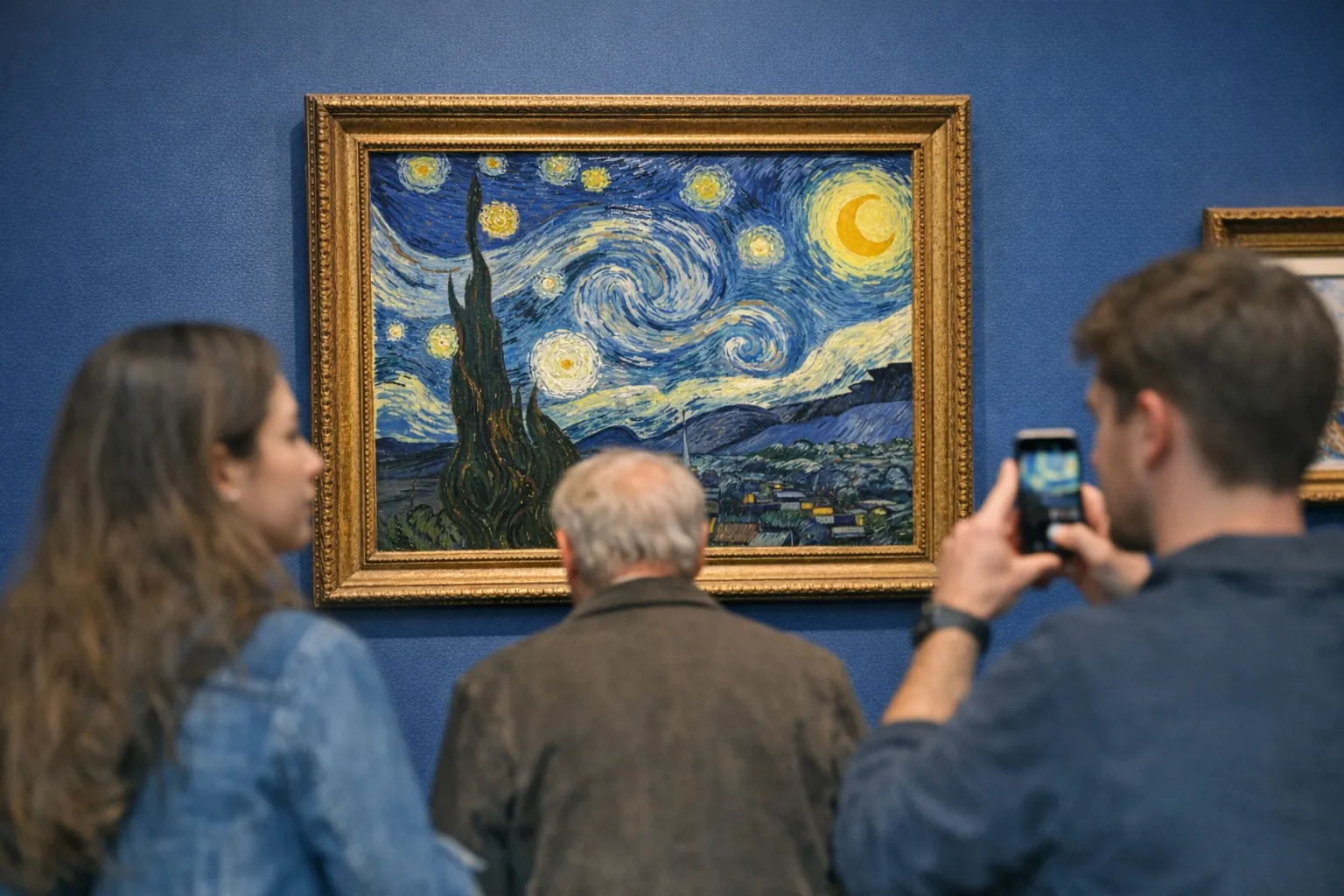
In this article, we will delve into the emotional and historical significance of 'Starry Night,' examining its context within the Post-Impressionist movement and Van Gogh's own tumultuous existence. You'll discover how the painting's swirling skies and vibrant colors reflect a deeper narrative, transforming it into a cornerstone of art history. Join us as we explore why 'Starry Night' continues to resonate with audiences worldwide.
Introduction to 'Starry Night'
Vincent van Gogh painted 'Starry Night' in June 1889 while residing at the Saint-Paul-de-Mausole asylum in Saint-Rémy-de-Provence, France. This period was marked by significant emotional turmoil for Van Gogh, who sought solace in his art amid a backdrop of mental health struggles. The painting depicts the view from his bedroom window, showcasing a swirling night sky filled with luminous stars and a crescent moon over a tranquil village, all framed by a prominent cypress tree.
'Starry Night' stands as a pivotal work in Van Gogh's oeuvre and the broader context of art history. Its bold colors and dynamic brushwork exemplify the Post-Impressionist movement's emphasis on emotional expression. Van Gogh's technique, particularly his use of impasto, adds depth and movement to the sky, creating a striking visual experience that resonates with viewers on an emotional level.
Despite its current acclaim, Van Gogh considered 'Starry Night' a failure. He notably omitted it from the list of paintings he sent to his brother Theo in September 1889, reflecting his turbulent self-perception as an artist. As he once metaphorically described his work, "It's like painting a dream," highlighting how deeply personal and emotional his creations were.
Today, 'Starry Night' is housed at the Museum of Modern Art in New York City, where it is celebrated as one of the most recognized and beloved paintings in Western art. Its status in popular culture continues to grow, influencing various forms of media and inspiring countless interpretations and adaptations.
The Artistic Techniques Behind 'Starry Night'
Vincent van Gogh's 'Starry Night' is a masterclass in artistic technique, showcasing methods that elevate the emotional resonance of the piece. One of the most notable is the impasto technique, where thick layers of paint are applied to the canvas. This creates a rich texture that adds depth and movement, particularly evident in the swirling sky and the cypress tree reaching toward the heavens. The impasto not only enlivens the visual experience but also mirrors the turbulence of Van Gogh's own emotional state during his time at the asylum.
The color contrast in 'Starry Night' is equally striking. Deep blues and indigos dominate the night sky, while vibrant yellows and whites radiate from the stars and crescent moon. This juxtaposition heightens the emotional intensity of the scene, transforming the tranquil village below into a backdrop for the tumultuous sky above. Van Gogh's choice of color embodies his fascination with the cosmos, as he sought to capture both beauty and chaos.
Furthermore, Van Gogh's dynamic brushwork contributes to the painting's sense of movement and energy. Each stroke is deliberate, swirling and curling to create a rhythm that pulls the viewer's eye across the canvas. As art critic Robert Hughes once remarked, “It’s as if the sky is alive, dancing in a cosmic ballet.”
In summary, the techniques used in 'Starry Night'—impasto application, vibrant color contrasts, and energetic brushwork—work in harmony to convey Van Gogh's emotional struggles and artistic vision. Each element invites viewers to engage with the work on a deeper level, resonating with the complexities of both the human experience and the natural world.
The Emotional Landscape of 'Starry Night'
Vincent van Gogh’s 'Starry Night' is not just a depiction of a night sky; it serves as a profound emotional landscape reflecting his inner turmoil. Painted during his stay at the Saint-Paul-de-Mausole asylum in June 1889, the artwork captures a swirling sky filled with luminous stars and a crescent moon, set over a tranquil village. This dynamic scene embodies Van Gogh’s emotional struggles and fascination with the cosmos.
The night sky in 'Starry Night' symbolizes both chaos and beauty. The swirling patterns evoke a sense of movement and energy, contrasting sharply with the calmness of the village below. It’s as if the sky is alive, mirroring Van Gogh's turbulent emotions. As he once described his work, "It's like a dream, but I am awake."
Van Gogh's mental health is intricately linked to this painting. The vibrant colors—deep blues and brilliant yellows—reflect his emotional intensity. While he viewed 'Starry Night' as a failure, its depth speaks volumes about his psyche and the struggles he faced. The painting's emotional weight resonates with viewers, suggesting a connection to feelings of despair, wonder, and longing.
Central to this emotional narrative is the cypress tree in the foreground. Often associated with mourning, the cypress conveys a duality of despair and hope. Its upward reach towards the sky suggests a yearning for something greater, perhaps a search for peace amidst turmoil. This tree stands as a poignant symbol of Van Gogh's complex emotional landscape, bridging the earth with the heavens.
In summary, 'Starry Night' encapsulates a rich tapestry of emotional themes, from chaos to tranquility, and despair to hope, making it a cornerstone of art history and a testament to Van Gogh's profound sensitivity.
'Starry Night' and the Post-Impressionist Movement
Vincent van Gogh's 'Starry Night' is a quintessential example of the Post-Impressionist movement, marked by its emotional depth and vibrant colors. This painting, created in June 1889 during his stay at the Saint-Paul-de-Mausole asylum, encapsulates key characteristics of Post-Impressionism, such as:
- Emotional Expression: Van Gogh’s swirling night sky reflects his inner turmoil and fascination with the cosmos. The painting is often interpreted as a visual manifestation of his emotional struggles.
- Bold Colors: The rich palette contrasts deep blues and indigos with vibrant yellows, enhancing the painting's emotional intensity.
- Dynamic Brushwork: Van Gogh’s use of the impasto technique, where thick layers of paint create texture, is particularly evident in the movement of the sky and the cypress trees.
When compared to contemporaries like Paul Cézanne and Georges Seurat, Van Gogh stands out for his intense emotional expression and unique stylistic approach. While Cézanne focused on structure and perspective, and Seurat explored pointillism, Van Gogh broke away from traditional representation, focusing instead on conveying feeling.
The legacy of 'Starry Night' within the Post-Impressionist movement is profound. It not only paved the way for future expressionist artists but also redefined how emotion could be visually represented. As art historian Robert Hughes famously noted, "Van Gogh’s work is like a scream that resonates through the ages."
Despite its current acclaim, Van Gogh initially deemed 'Starry Night' a failure, not even including it in the list he sent to his brother Theo. Today, however, it resides at the Museum of Modern Art in New York City, celebrated as one of the most iconic artworks in history.
The Reception of 'Starry Night' Over Time
When Vincent van Gogh painted 'Starry Night' in June 1889, he was far from aware of its future significance. Initially, he viewed the piece as a failure, opting not to include it in the list of works he sent to his brother Theo that September. This sentiment reflects a broader trend in Van Gogh's life—his relentless struggle for recognition amidst his emotional turmoil.
The painting’s journey took a significant turn in the decades that followed. Acquired by the Museum of Modern Art in New York City in 1941, 'Starry Night' began to rise in fame. Its bold colors and dynamic brushwork resonated with post-World War II audiences, leading to a resurgence in appreciation for Van Gogh's work.
Today, 'Starry Night' stands as a cultural icon. It has transcended the art world, influencing everything from popular culture to modern art movements. The swirling night sky has become a symbol of emotional depth, often interpreted as a reflection of Van Gogh's own struggles. As art critic Robert Hughes famously said, "It's like a dream; a dream that is both beautiful and terrifying."
In summary, the perception of 'Starry Night' has evolved dramatically—from a self-identified failure to a masterpiece celebrated worldwide. Its journey mirrors not only Van Gogh’s life but also the shifting values within the art community.
Myths vs. Reality: Van Gogh and 'Starry Night'
Vincent van Gogh's life and work are often shrouded in myths that overshadow the reality of his struggles and achievements. One prevalent myth is that he was universally celebrated during his lifetime. In truth, Van Gogh faced significant mental health challenges and crippling self-doubt. His letters reveal a man wrestling with his identity and artistic value, often feeling isolated and misunderstood.
Common Myths
- Myth: Van Gogh was a celebrated artist during his lifetime.
- Reality: He battled mental health issues and lacked recognition, often viewing himself as a failure.
Another common misconception is that 'Starry Night' emerged spontaneously from Van Gogh's brush. In reality, this masterpiece was a product of deep reflection during a tumultuous period in his life. Painted in June 1889 while he was at the Saint-Paul-de-Mausole asylum, the work encapsulates his emotional state, blending turmoil with beauty.
- Myth: 'Starry Night' was a spontaneous creation.
- Reality: The painting reflects profound emotional reflection and turmoil.
As Van Gogh himself once expressed, "I dream my painting, and then I paint my dream." This analogy illustrates how 'Starry Night' was not just a painting but a window into his soul, reflecting both his fascination with the night sky and his internal struggles.
Despite its current acclaim, Van Gogh categorized 'Starry Night' as a failure and did not include it among the works he sent to his brother Theo later that year. This disconnect between public perception and Van Gogh's self-assessment highlights the complexity of his legacy. Today, 'Starry Night' resides in the Museum of Modern Art in New York City, celebrated as a pivotal work of the Post-Impressionist movement.
Case Study: The Influence of 'Starry Night' on Modern Art
Van Gogh's 'Starry Night' remains a pivotal influence in the realm of modern art, inspiring countless contemporary artists through its emotional depth and innovative techniques.
Modern Artists Inspired by Van Gogh
- Yayoi Kusama: Known for her immersive environments, Kusama's use of vibrant colors and repetitive patterns echoes Van Gogh's impactful color palette and dynamic brushwork.
- Peter Doig: This contemporary painter often showcases starry skies in his work, reminiscent of the swirling motion found in 'Starry Night,' blending dream-like landscapes with emotional resonance.
Impact on Visual Culture
The influence of 'Starry Night' extends beyond traditional painting, permeating various forms of visual culture:
- Film: Movies like Loving Vincent utilize Van Gogh's style to animate his paintings, bringing his emotional world to life on screen.
- Digital Art: Artists on platforms like Instagram and Behance often reimagine 'Starry Night' through digital mediums, showcasing its adaptability and relevance in the digital age.
Resonance with New Generations
'Starry Night' continues to captivate new generations of artists who find inspiration in its emotional expression. The painting serves as a metaphorical touchstone, demonstrating that art can encapsulate personal turmoil and beauty.
"Like a lighthouse guiding ships through a stormy sea, 'Starry Night' illuminates the emotional landscapes of those who dare to create."
In essence, the legacy of 'Starry Night' informs not just artistic techniques but also the very way emotions are expressed across mediums. Its lasting impact is a testament to Van Gogh’s ability to communicate profound human experiences through art.
The Legacy of 'Starry Night' in Popular Culture
Vincent van Gogh's 'Starry Night' transcends its origins as a 19th-century painting, permeating various facets of popular culture. Its striking imagery resonates across music, literature, and film, making it a symbol of emotional expression.
-
Music: The painting has inspired numerous songs, such as Don McLean's "Vincent," which reflects on van Gogh's life and struggles. The haunting melodies often evoke the same emotional depth found in the painting.
-
Literature: Authors frequently reference 'Starry Night' to illustrate themes of isolation and beauty. Notable examples include works that explore the artist's emotional turmoil, drawing parallels between the swirling night sky and the complexities of human experience.
-
Film: Movies like "Loving Vincent" delve into van Gogh's life, using the painting as a pivotal element in storytelling. The film's unique animation style mimics the brushstroke techniques found in 'Starry Night,' merging art and narrative.
The merchandising around 'Starry Night' also plays a significant role in art education. From posters to puzzles, the painting's presence in everyday items helps introduce new audiences to art history. Such products not only celebrate van Gogh's legacy but also foster discussions about emotional expression in art.
Public installations and exhibitions featuring 'Starry Night' create immersive experiences that draw visitors in. The Museum of Modern Art in New York City, where the painting has been housed since 1941, offers interactive displays that highlight its historical significance and emotional impact.
In summary, 'Starry Night' serves as a bridge between the art world and popular culture, continuously inspiring and educating generations about the profound emotional resonance of van Gogh's work.
Conclusion: The Enduring Significance of 'Starry Night'
Vincent van Gogh's legacy as an artist is indelibly tied to 'Starry Night.' Painted in June 1889 during his time at the Saint-Paul-de-Mausole asylum in Saint-Rémy-de-Provence, this work reflects not only his technical prowess but also his deep emotional struggles. The swirling night sky over a tranquil village, coupled with the striking cypress tree, encapsulates the turmoil and beauty he perceived in the world around him.
'Starry Night' serves as a crucial piece in understanding emotional expression in art. Van Gogh's use of bold colors and dynamic brushwork exemplifies the Post-Impressionist movement, focusing on the subjective experience rather than mere realism. The contrasting deep blues and vibrant yellows enhance the painting's emotional intensity, making it a powerful exploration of the artist's psyche.
Today, 'Starry Night' remains relevant, resonating with viewers across generations. Its presence at the Museum of Modern Art in New York City has solidified its status as one of the most recognized works in Western art. Despite van Gogh's own perception of it as a failure, the painting's legacy continues to inspire artists and art lovers alike, reminding us of the profound connection between emotion and creativity.
FAQs About 'Starry Night'
What inspired Van Gogh to paint 'Starry Night'?
Vincent van Gogh created 'Starry Night' in June 1889 while staying at the Saint-Paul-de-Mausole asylum in Saint-Rémy-de-Provence, France. The painting reflects his emotional state during this tumultuous period of his life. It depicts the view from his bedroom window, showcasing a swirling night sky filled with luminous stars and a crescent moon above a serene village. This imagery is often interpreted as a reflection of his fascination with the night and his ongoing emotional struggles.
How does 'Starry Night' compare to other famous paintings?
'Starry Night' stands out among other masterpieces for its unique blend of bold colors and dynamic brushwork. Unlike the more realistic depictions of the natural world found in earlier art movements, Van Gogh's Post-Impressionist style emphasizes emotional expression. The painting's thick layers of paint, created using the impasto technique, add texture and movement, making it visually striking compared to contemporaneous works.
Why is 'Starry Night' considered a masterpiece?
Several factors contribute to the status of 'Starry Night' as a masterpiece:
- Emotional Depth: The painting embodies Van Gogh's emotional turmoil and his complex relationship with nature.
- Innovative Technique: The use of vibrant colors and expressive brushstrokes exemplifies the Post-Impressionist movement, focusing on emotion over realism.
- Cultural Impact: Acquired by the Museum of Modern Art in New York City in 1941, it has become one of the most recognized works in art history, influencing countless artists and movements.
Despite Van Gogh's initial dismissal of the painting as a failure, its lasting impact and recognition affirm its significance in the art world.