
Mikaela Shiffrin's journey to the 2026 Winter Olympics was anything but smooth. After facing significant challenges, including a major injury, she returned to dominate the slopes in Cortina d'Ampezzo. Her triumphant win not only marked her third Olympic gold but also showcased her incredible resilience and unwavering determination.
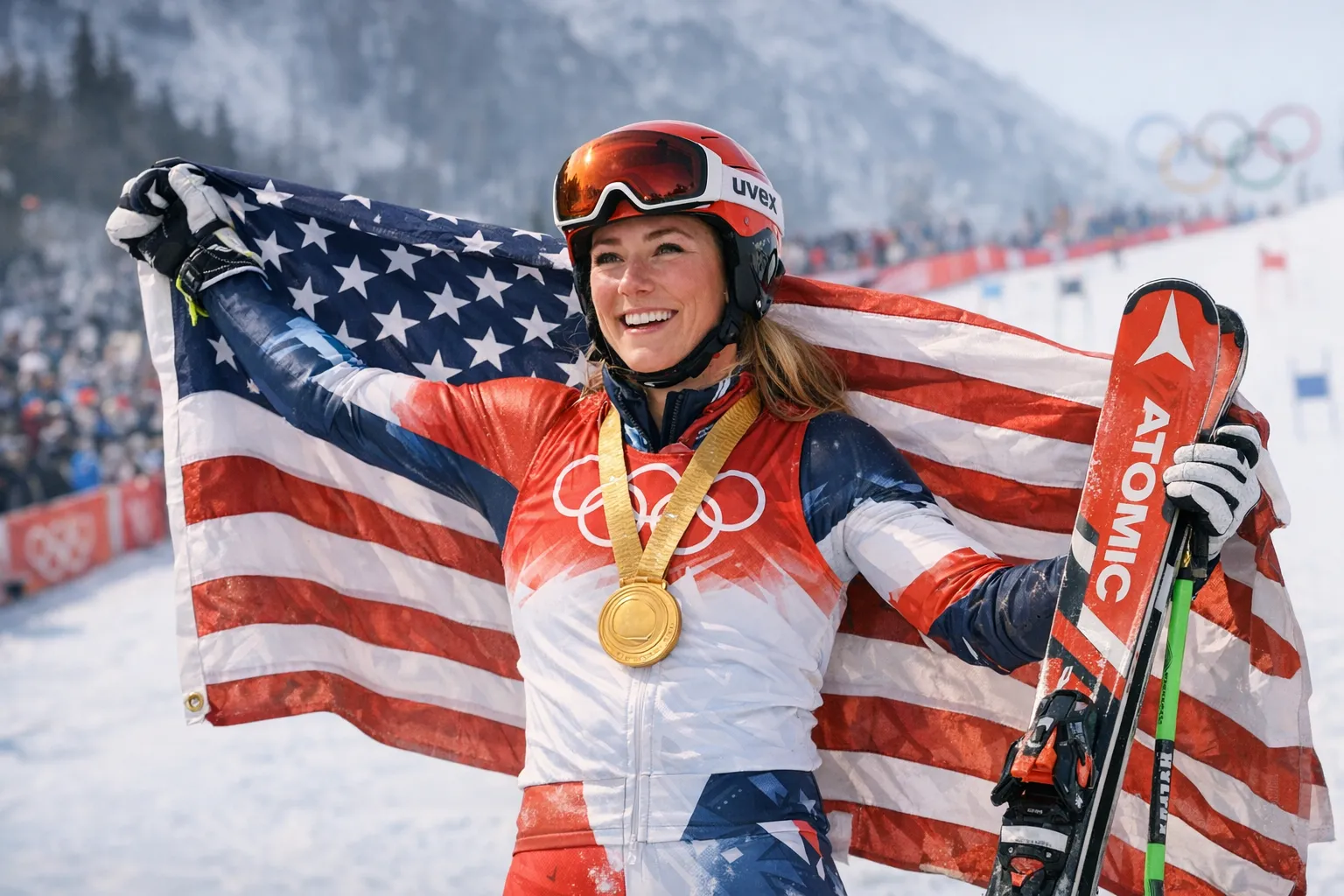
In this analysis, we'll explore how Shiffrin overcame obstacles to reclaim her place at the top of alpine skiing. From her remarkable comeback after surgery to her commanding performance that secured her victory by 1.50 seconds, we'll delve into the factors that contributed to her success and what this means for her legacy in the sport.
The Road to Cortina: A Timeline of Challenges and Triumphs
Mikaela Shiffrin's journey to Olympic gold at the 2026 Winter Olympics in Cortina d'Ampezzo is a testament to her extraordinary resilience. Here’s a look at the key events that shaped her path:
-
Early Career Milestones: Shiffrin made her mark in alpine skiing by securing her first Olympic gold in slalom at Sochi 2014, followed by another in giant slalom at Pyeongchang 2018. Her achievements quickly established her as a dominant force in the sport.
-
Personal Setbacks: The loss of her father in 2020 was a profound blow, deeply affecting her mental and emotional state. Coupled with a disappointing medal-less performance at the 2022 Beijing Games, these challenges could have derailed her career.
-
Injury and Recovery: In November 2024, Shiffrin faced a significant setback when she sustained a serious abdominal injury that required surgery. Her recovery process was arduous, yet she returned to the slopes with remarkable determination, achieving her 100th World Cup victory in February 2025.
-
Preparation for 2026: Leading up to the Olympics, Shiffrin dominated the World Cup slalom circuit, winning six consecutive races. Her preparation was meticulous, demonstrating her commitment to reclaiming her Olympic title.
"Like a phoenix rising from the ashes, Shiffrin's journey embodies the essence of resilience."
Her triumph in Cortina, where she finished 1.50 seconds ahead of her nearest competitor, reestablished her as a powerhouse in alpine skiing, marking her third Olympic gold medal. This victory not only solidified her legacy but also showcased her incredible ability to overcome adversity.
The Impact of Personal Loss on Performance
Mikaela Shiffrin's journey to her third Olympic gold medal was profoundly shaped by personal loss and the emotional challenges that came with it. The death of her father in 2020 left a significant emotional toll, forcing her to navigate grief while maintaining her status as one of the top athletes in alpine skiing.
Grief can dramatically influence an athlete's training and mindset. For Shiffrin, the loss initially created a fog of uncertainty that affected her focus and motivation. However, she ultimately transformed this pain into a source of strength. By channeling her emotions, she developed a deeper mental fortitude that would serve her well in the high-pressure environment of the Olympics.
Numerous athletes have faced similar challenges and emerged stronger. For instance:
- Serena Williams: Overcame the emotional turmoil of her sister’s murder to win titles and inspire others.
- Michael Phelps: Used the loss of his father to fuel his drive, leading to historic Olympic performances.
- Rafael Nadal: After losing his uncle and coach, he returned to the court with renewed determination, winning multiple Grand Slam titles.
Shiffrin's ability to harness her grief not only helped her to excel but also highlighted the importance of resilience in sports. Her Olympic triumph in 2026 serves as a testament to how overcoming personal challenges can lead to exceptional performances. For more insights on Shiffrin's career and the role of mental resilience in sports, check out Mikaela Shiffrin's Career Highlights and The Importance of Mental Resilience in Sports.
From Injury to Victory: Shiffrin's Comeback Story
Mikaela Shiffrin's journey to her third Olympic gold medal was not just a testament to her skiing prowess but a remarkable story of resilience. In November 2024, she faced a major setback with a serious abdominal injury that required surgery, casting doubt on her ability to compete at the highest level again.
The rehabilitation process was grueling. Shiffrin had to not only recover physically but also navigate the mental hurdles that came with such a significant injury. She reflected on the challenges of staying motivated during her recovery, emphasizing the importance of mental resilience in sports. This experience was compounded by her devastating loss of her father in 2020 and a medal-less performance at the 2022 Beijing Games, making her comeback even more poignant.
Despite these challenges, Shiffrin showcased her determination by achieving her 100th World Cup victory in February 2025, just months before the Olympics. This milestone served as a powerful reminder of her talent and grit, signaling that she was ready to reclaim her spot among the elite in alpine skiing.
Leading up to the 2026 Winter Olympics in Cortina d'Ampezzo, she dominated the World Cup slalom circuit, winning six consecutive races. This momentum ultimately culminated in a stunning performance, allowing her to secure gold in the slalom event by a remarkable 1.50 seconds—the largest margin since 1998. Shiffrin's journey from injury to victory is a narrative that inspires not just athletes but anyone facing adversity.
Breaking Records: Shiffrin's Historic Olympic Performance
Mikaela Shiffrin's triumphant return to the Olympic podium culminated in a stunning gold medal win in the slalom at the 2026 Winter Olympics in Cortina d'Ampezzo. Her victory, by a commanding 1.50 seconds, marked the largest margin in any alpine skiing event since 1998, underscoring her dominance in the sport.
In her first run, Shiffrin built a remarkable 0.82-second lead over Germany’s Lena Duerr. This advantage was the largest first-run margin in Olympic slalom history since 1960, setting the stage for her eventual triumph. Such a commanding performance highlighted her exceptional skill and focus, especially given the challenges she faced leading up to the Games.
Comparing this performance to her past Olympic outings reveals a striking evolution. Shiffrin previously secured gold in slalom at Sochi in 2014 and in giant slalom at Pyeongchang in 2018. However, the eight-year gap between golds amplified the significance of her latest achievement. Notably, prior to the Olympics, she dominated the World Cup slalom circuit, winning six consecutive races and clinching her ninth Crystal Globe for the 2025-26 season.
Shiffrin’s journey to this historic win is marked by resilience, overcoming personal and professional challenges, including the loss of her father and a medal-less performance in Beijing 2022. Her ability to rebound and deliver such an impressive performance speaks volumes about her character and dedication to the sport. For more insights on her career highlights, check out Mikaela Shiffrin's Career Highlights.
The Role of Mentorship and Support Systems
Mikaela Shiffrin's journey to her third Olympic gold medal was not solely a testament to her skill; it was also profoundly influenced by the mentorship and support systems surrounding her. These elements played a critical role in her resilience, helping her navigate the challenges of elite competition.
Influence of Coaches and Family
Shiffrin's coaches have been instrumental in shaping her career. They provided not only technical guidance but also emotional support during tough times. For instance, following her father's passing in 2020, her coach was pivotal in helping her regain focus and confidence. This relationship underscores the importance of having someone who understands the emotional landscape of an athlete's journey.
- Coaching Philosophy: Tailored strategies that focus on Shiffrin’s strengths.
- Emotional Resilience: Coaches help athletes handle the psychological pressures of competition.
Family support also cannot be overstated. Shiffrin often credits her family for instilling a strong work ethic and fostering a love for the sport. Their unwavering belief in her abilities helped her push through dark periods, including her struggles at the 2022 Beijing Games.
The Role of Teammates and Competitors
Teammates and even competitors contribute significantly to Shiffrin's development. The camaraderie among athletes fosters a spirit of healthy competition and shared experiences. For example, training alongside top competitors allows Shiffrin to continuously challenge herself and adapt her techniques.
- Shared Experiences: Learning from both victories and setbacks alongside peers.
- Motivation: Competing with the best pushes Shiffrin to elevate her performance.
How Mentorship Can Impact Athlete Resilience
Mentorship in sports extends beyond coaches; it involves a network of individuals who offer guidance, encouragement, and perspective. Shiffrin’s ability to bounce back from setbacks, including a significant injury in 2024, exemplifies how mentorship can fortify an athlete’s resolve.
- Mental Fortitude: Mentors help athletes develop coping strategies for adversity.
- Goal Setting: Guidance in setting and achieving realistic goals enhances performance.
In conclusion, the synergy of coaching, family support, and mentorship creates a robust framework for resilience. This support system not only helped Shiffrin secure her Olympic gold in 2026 but also shaped her into a more formidable athlete, ready to tackle future challenges.
Lessons in Resilience: What Athletes Can Learn from Shiffrin
Mikaela Shiffrin's journey to gold in the 2026 Winter Olympics offers powerful lessons in resilience for athletes across all sports. Her story is not just about winning; it's about overcoming challenges and maintaining mental fortitude.
The Importance of Mental Strength
Shiffrin's ability to rebound after setbacks is a testament to her mental strength. After facing a personal tragedy with the loss of her father in 2020 and a disappointing performance at the 2022 Beijing Games, she demonstrated that mental resilience is crucial. Athletes can learn that staying mentally tough can help navigate both personal and competitive challenges.
Strategies for Overcoming Setbacks
Shiffrin's path was fraught with obstacles, including a serious abdominal injury in late 2024 that required surgery. Instead of succumbing to despair, she focused on rehabilitation and training. Key strategies she employed include:
- Setting short-term goals: This helped her regain confidence and track her progress.
- Visualization techniques: Imagining success can prepare athletes mentally for competition.
- Mindfulness practices: Staying present can curb anxiety and enhance performance.
Building a Support Network
Throughout her career, Shiffrin has emphasized the importance of having a strong support network. Friends, family, coaches, and teammates play crucial roles in an athlete's life. Their encouragement can provide the motivation needed to push through tough times. Athletes should actively cultivate relationships that offer both emotional support and constructive feedback.
By embodying these lessons, athletes can harness their resilience, much like Shiffrin did, ultimately improving their performance and mental well-being. For deeper insights, check out The Importance of Mental Resilience in Sports.
The Evolution of Shiffrin's Skiing Technique
Mikaela Shiffrin's skiing technique has undergone significant evolution, characterized by her adaptability and the refinement of key technical skills. These elements have not only set her apart but also contributed to her impressive comeback story.
Key Technical Skills
- Carving Precision: Shiffrin's ability to carve turns with pinpoint accuracy allows her to maintain speed while navigating complex courses. This skill has become a cornerstone of her slalom performance.
- Body Positioning: Over the years, Shiffrin has honed her body positioning, ensuring optimal balance and weight distribution. This enables her to respond quickly to changes in terrain.
Adaptations Made Post-Injury
After facing a serious abdominal injury in late 2024, Shiffrin's comeback involved not just physical recovery but also technical adjustments:
- Strength and Flexibility Training: Following surgery, she focused on regaining strength and flexibility, crucial for the dynamic movements required in slalom racing.
- Tactical Changes: Shiffrin incorporated new tactics to compensate for any lingering physical limitations, allowing her to optimize performance while minimizing risk.
Comparison with Other Top Skiers
When compared to other elite skiers, Shiffrin's unique approach stands out:
- Consistency: While many top competitors have fluctuating performances, Shiffrin's ability to consistently perform under pressure is unparalleled, as evidenced by her six consecutive World Cup slalom wins leading up to the Olympics.
- Mental Toughness: Her journey, marked by personal loss and previous Olympic disappointments, has cultivated a mental resilience that few can match, a trait that is increasingly recognized as essential in high-stakes competition.
Shiffrin's evolution not only speaks to her technical prowess but also highlights her resilience—a quality that propelled her to secure her third Olympic gold medal at the 2026 Winter Olympics. For more on her career highlights, check out Mikaela Shiffrin's Career Highlights and insights on The Importance of Mental Resilience in Sports.
Fan Reactions and Media Coverage of Shiffrin's Victory
Mikaela Shiffrin's triumphant return to the Olympic podium captivated fans and media alike, generating an outpouring of support and celebration across social media platforms. After securing her third Olympic gold medal in slalom, the reactions ranged from sheer joy to heartfelt tributes honoring her resilience.
Social Media Reactions and Fan Support
Fans took to Twitter, Instagram, and Facebook to express their elation. Hashtags like #MikaelaMagic and #SlalomQueen trended as users shared moments from her victory run, many praising her for overcoming personal and professional challenges. Comments highlighted the emotional weight of her win, especially given her struggles after the loss of her father in 2020 and her disappointing performance at the 2022 Beijing Games.
- Quotes from Fans:
- "Mikaela proves that resilience pays off!"
- "What a comeback! Truly a champion."
Coverage by Major Sports Networks
Major sports networks like ESPN and NBC dedicated extensive coverage to Shiffrin's achievement. They highlighted her commanding 1.50-second victory margin, the largest in an Olympic alpine skiing event since 1998, and her significant first-run lead of 0.82 seconds, marking the largest advantage since 1960. Analysts discussed her journey leading up to the Olympics, including her six consecutive World Cup victories and her recovery from a serious abdominal injury in 2024.
Impact of Her Victory on the Sport's Popularity
Shiffrin's win is poised to elevate the profile of alpine skiing, especially in the U.S. Her remarkable story of resilience and success has the potential to inspire a new generation of skiers. As more people tune in to watch her races, the sport may see increased participation and interest, particularly among young athletes.
In summary, the combination of passionate fan engagement and thorough media coverage underscores the significance of Shiffrin's victory, not just for her career, but for the sport itself. For more on her career highlights, check out Mikaela Shiffrin's Career Highlights.
Future Prospects: What Lies Ahead for Shiffrin?
Mikaela Shiffrin's recent triumph at the 2026 Winter Olympics not only solidified her legacy but also sets the stage for an exciting future in alpine skiing. As she looks ahead, several key aspects come into play regarding her potential participation and goals.
-
Future Olympics: With her sights set on the 2028 Winter Olympics, Shiffrin may aim to defend her title and possibly add to her gold medal count. Her recent performance, especially after an eight-year gap since her last Olympic win, suggests she remains a formidable contender on the world stage.
-
World Cup Circuit Goals: Shiffrin has a clear ambition to continue dominating the World Cup slalom circuit. Having clinched her ninth Crystal Globe during the 2025-26 season, she aims to build on this success by striving for further victories and breaking more records. Her ability to bounce back from injuries, including a significant abdominal surgery in 2024, showcases her determination to maintain her elite status.
-
Legacy and Influence: Beyond her individual achievements, Shiffrin's impact on the sport transcends medals. She serves as a role model for aspiring athletes, especially young girls in skiing. Her journey, marked by resilience and the ability to overcome personal challenges, inspires future generations to pursue their goals in sports and beyond.
As Shiffrin continues her career, fans and analysts alike will be watching closely to see how she navigates the next chapters of her journey. For more insights into her career highlights, check out Mikaela Shiffrin's Career Highlights.
Conclusion: The Legacy of Mikaela Shiffrin
Mikaela Shiffrin's impact on alpine skiing extends far beyond her medal count; she has redefined what it means to be a champion. Her three Olympic gold medals, including her recent victory in the slalom at the 2026 Winter Olympics, showcase not just her technical prowess but also her resilience in the face of adversity. This latest win, with a stunning margin of 1.50 seconds, highlights her dominance in the sport and cements her legacy as one of the greatest skiers of all time.
Shiffrin serves as a beacon of inspiration for young athletes worldwide. Her journey is a testament to hard work, determination, and the ability to overcome challenges—qualities that resonate deeply with anyone striving for success. The hurdles she faced, from personal losses to competitive setbacks, illustrate the importance of mental resilience in sports. Young skiers looking up to her can learn that setbacks are part of the journey, and perseverance can lead to extraordinary achievements.
Reflecting on her career, Shiffrin's path has been marked by both triumph and tribulation. After a medal-less performance at the 2022 Beijing Games and a serious abdominal injury in late 2024, her comeback was nothing short of remarkable. With her ninth Crystal Globe and an impressive return to Olympic glory, she stands as a role model not just for aspiring skiers but for anyone who dreams of overcoming adversity.
In summary, Mikaela Shiffrin's legacy is defined by her unparalleled skill, her inspirational journey, and her lasting impact on the sport of alpine skiing. To explore more about her achievements, check out Mikaela Shiffrin's Career Highlights.