
Marie Curie's groundbreaking work not only transformed the landscape of science but also shattered the glass ceiling for women in STEM. Her discovery of radium, a radioactive element 900 times more radioactive than uranium, opened doors to revolutionary medical treatments and diagnostics. Yet, her journey was fraught with challenges, as she navigated a male-dominated field that often dismissed her contributions.
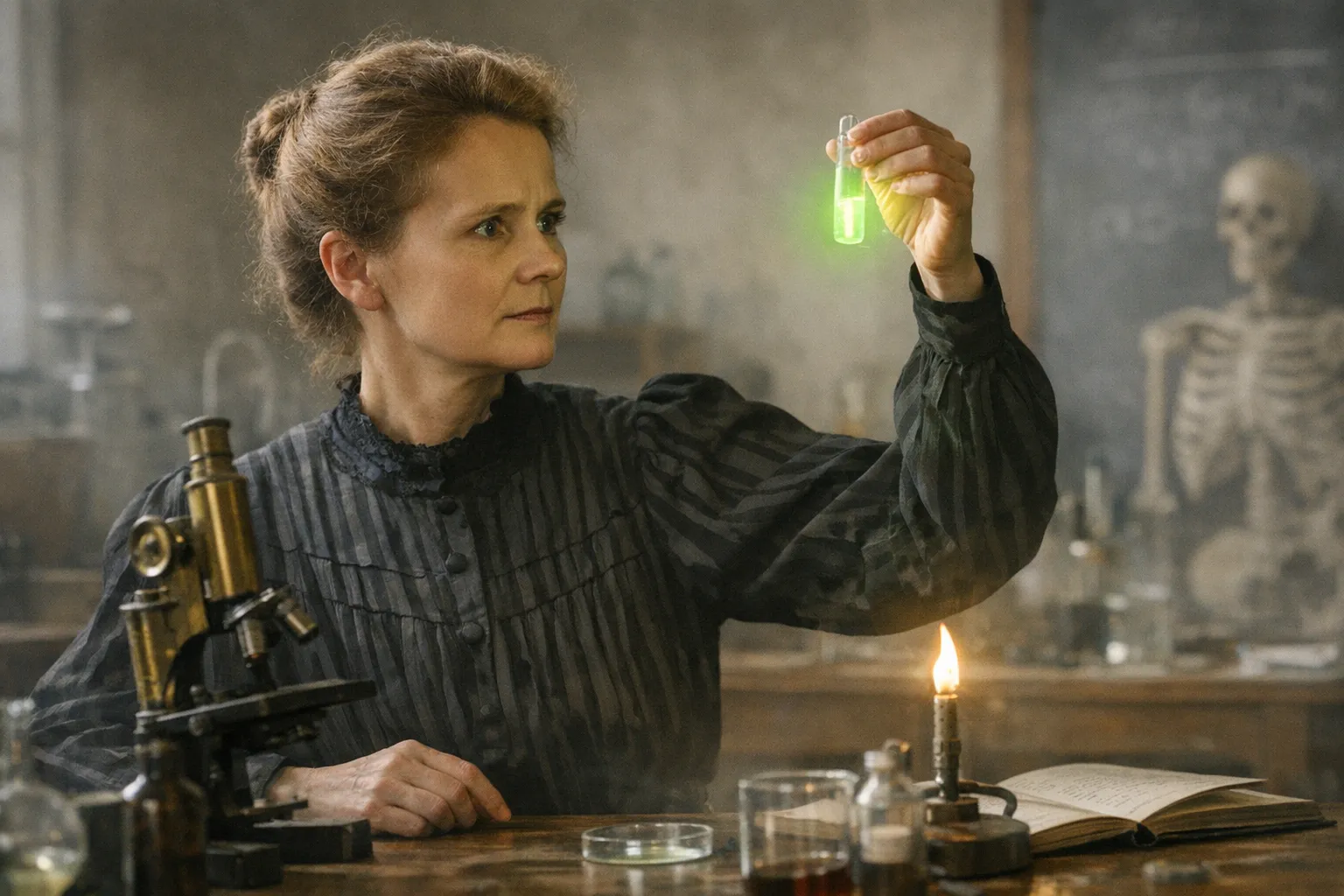
In this article, we will delve into the life of Marie Curie, exploring her pioneering research and the gender barriers she overcame. From being the first woman to win a Nobel Prize to mentoring future generations of female scientists, Curie's legacy serves as a powerful reminder of resilience and innovation in the face of adversity. Join us as we uncover how her discoveries in radioactivity not only advanced science but also redefined the role of women in academia and beyond.
The Groundbreaking Discovery of Radium
In 1898, Marie Curie, alongside her husband Pierre Curie and chemist Gustave Bémont, made a monumental discovery: radium, a radioactive element that was approximately 900 times more radioactive than uranium. This breakthrough not only transformed the landscape of science but also set the stage for revolutionary advancements in medical treatments.
Radium's unique properties allowed for significant innovations, particularly in the field of medicine. It led to the development of radiotherapy, a cornerstone in cancer treatment that has saved countless lives. Curie's work laid the foundation for modern nuclear physics, radiography, and cancer diagnostics.
"Discovering radium was like finding a key that unlocked a new realm of possibilities in medicine."
Despite facing considerable gender-based discrimination, Curie's achievements were remarkable. She became the first woman to win a Nobel Prize and remains the only individual to have received Nobel Prizes in two distinct scientific fields: Physics and Chemistry. Moreover, her role as the first female professor at the Sorbonne broke barriers for women in academia, inspiring future generations of female scientists.
Curie's legacy extends beyond her discoveries. By mentoring numerous women at the Radium Institute, she fostered a community that empowered women in physics and chemistry, ensuring that her groundbreaking work would have lasting impacts on both science and society.
The Science of Radioactivity: A New Era
Marie Curie's groundbreaking research on radioactivity fundamentally altered the landscape of both science and medicine. Her discovery of radium in 1898, notably 900 times more radioactive than uranium, laid the groundwork for modern nuclear physics and opened new avenues in medical technology.
-
Foundation of Nuclear Physics: Curie's meticulous work helped define the principles of radioactivity, influencing future studies in nuclear physics. Her findings played a critical role in understanding atomic structures and decay processes, essential for advancements in both theoretical and applied physics.
-
Advancements in X-ray Technology: The implications of Curie's research extended to the realm of diagnostics. Her work contributed to the development of X-ray technology, which revolutionized medical imaging. This innovation allowed for non-invasive examinations, fundamentally changing how doctors diagnose and treat patients.
-
Cornerstone in Cancer Treatment: Perhaps one of the most impactful applications of Curie's research is in cancer treatment. The discovery of radium paved the way for radiotherapy, a method that uses targeted radiation to combat cancer cells. This therapeutic approach has evolved significantly, now serving as a cornerstone in oncology, showcasing the lasting legacy of Curie's contributions.
Curie's achievements were not just scientific; they also challenged gender barriers in a male-dominated field. As the first woman to win a Nobel Prize and the only individual to earn Nobel Prizes in two different scientific disciplines, she set a precedent for future generations of women in STEM. Her role as a mentor at the Radium Institute further solidified her legacy, fostering a new wave of female scientists committed to advancing knowledge in physics and chemistry.
The impact of Marie Curie's research continues to resonate today, establishing her as a pivotal figure in both science and the movement for women's representation in academia.
Marie Curie's Nobel Prizes: Breaking Barriers
Marie Curie's groundbreaking achievements not only transformed science but also shattered the glass ceiling for women in STEM. In 1903, she became the first woman to win a Nobel Prize, awarded for her pioneering work in radioactivity alongside her husband, Pierre Curie, and Gustave Bémont. This milestone was significant, marking a historic moment in a field dominated by men.
What sets Curie apart is her unique distinction of being the only individual to win Nobel Prizes in two different scientific fields: Physics and Chemistry. This achievement underscores her profound impact on both disciplines, particularly with her discovery of radium in 1898, an element 900 times more radioactive than uranium. Her research laid the foundation for advancements in medical diagnostics, including the development of X-ray technology and early cancer radiotherapy.
Despite facing intense gender-based discrimination, Curie broke through barriers as the first female professor at the University of Paris. Her role extended beyond her own achievements; she actively mentored numerous female scientists at the Radium Institute, fostering a community that encouraged women to pursue careers in physics and chemistry.
Curie's legacy is not just her accolades but also her commitment to advancing women in science. Her contributions during World War I, organizing mobile X-ray teams to assist battlefield medical care, further exemplify her dedication to applying scientific knowledge for the greater good. In a time when women were often relegated to the sidelines, Curie's accomplishments serve as a testament to the power of perseverance and innovation in the face of systemic barriers.
Overcoming Gender-Based Obstacles in Academia
Marie Curie's journey in a male-dominated scientific world was fraught with gender-based discrimination. As a woman in the late 19th and early 20th centuries, she faced skepticism and prejudice from her peers, which made her achievements all the more remarkable.
Despite these challenges, Curie broke through barriers to become the first female professor at the University of Paris. This monumental achievement not only validated her work but also paved the way for future generations of women in STEM. Her presence in academia helped challenge the prevailing norms of the time, demonstrating that women could excel in scientific fields.
Curie's perseverance had a lasting impact. She mentored numerous female scientists at the Radium Institute, fostering a generation of women in physics and chemistry. This mentorship was crucial in an era when women's contributions were often overlooked, and it helped to establish a more inclusive environment in scientific research.
In summary, Marie Curie's legacy is not just her groundbreaking discoveries, such as radium, but also her role as a trailblazer for women in academia. Her achievements continue to inspire women to pursue careers in science, proving that with determination, barriers can be overcome.
Curie's Legacy: Mentoring Future Generations
Marie Curie's influence extends far beyond her groundbreaking discoveries in radioactivity and cancer treatment; she also played a pivotal role in mentoring the next generation of female scientists. At the Radium Institute, she actively trained numerous women, fostering an environment where they could thrive in physics and chemistry, fields historically dominated by men.
-
Creating Opportunities: Curie’s mentorship was instrumental in breaking down gender barriers in science. She championed the inclusion of women in laboratories and research, encouraging them to pursue careers in STEM.
-
Inspiring a Generation: Many of her protégés went on to make significant contributions to science. Her commitment to women's education in the sciences helped cultivate a generation of female physicists and chemists who would follow in her footsteps.
-
Lasting Impact: Today, Curie's legacy continues to inspire women in STEM. Organizations and initiatives aimed at encouraging female participation in science often cite her as a key figure in their narratives. Her story serves as a reminder of the importance of representation and mentorship in overcoming barriers.
Curie's role as a mentor was as revolutionary as her scientific achievements. She not only paved the way for advancements in medical technology—such as radiotherapy, which emerged from her work with radium—but also ensured that the doors she opened remained ajar for future generations of women. Her legacy is a testament to the power of mentorship in transforming the landscape of science and medicine.
The Role of Radium in Medical Advancements
Marie Curie's discovery of radium in 1898 marked a pivotal moment in medical history. As a radioactive element, radium proved to be 900 times more radioactive than uranium, laying the groundwork for revolutionary medical treatments, particularly in oncology.
One of the most significant outcomes of Curie's work was the development of radiotherapy, a treatment that uses radiation to target and destroy cancer cells. This innovation not only transformed how cancer was treated but also established radiotherapy as a cornerstone of modern cancer care.
Curie's influence extended beyond just treatment; her research fundamentally shaped medical diagnostics. The principles behind radioactivity she studied enabled advancements in X-ray technology, which became essential for non-invasive diagnostics. This integration of physics and medicine has had lasting impacts, fundamentally changing how we diagnose and treat various conditions.
Additionally, Curie's commitment to the field didn't end with her discoveries. She organized mobile X-ray units during World War I, showcasing her dedication to applying her scientific knowledge for practical medical use in the field. Her work not only saved lives on the battlefield but also highlighted the importance of scientific innovation in urgent medical contexts.
In summary, Marie Curie's contributions to the understanding and application of radium have had profound implications for medical science, paving the way for future advancements in cancer treatment and diagnostics. Her legacy continues to inspire generations of scientists, particularly women in STEM, who strive to break barriers in a historically male-dominated field.
Curie's Contributions During World War I
During World War I, Marie Curie took her groundbreaking scientific knowledge beyond the laboratory and into the field, directly impacting humanitarian efforts. She organized mobile X-ray teams, which were crucial for improving medical care on the battlefield.
-
Mobile X-ray Units: Curie's initiative led to the creation of mobile X-ray units that could be transported to frontline hospitals. This allowed for immediate diagnosis of injuries, a game-changer for treating wounded soldiers.
-
Improved Medical Outcomes: The introduction of X-ray technology to battlefield medicine drastically improved the ability to locate shrapnel and fractures, leading to more effective surgeries and quicker recoveries.
-
Practical Application of Research: Curie's efforts exemplified how her research on radioactivity could translate into real-world applications. The technology she helped develop not only showcased her scientific prowess but also underscored the potential of medical imaging in saving lives.
Marie Curie's work during the war highlighted her commitment to applying science for the greater good, reinforcing her legacy as a pioneer who broke barriers in both science and gender roles. Her contributions during this period remain a testament to her extraordinary ability to leverage her discoveries in service of humanity.
The Myths and Realities of Marie Curie's Life
Marie Curie's life is often romanticized, leading to several persistent myths that overshadow her remarkable achievements.
-
Myth: Curie was solely a scientist without personal struggles.
- Reality: In addition to her groundbreaking scientific work, Curie faced significant challenges, including health issues from radiation exposure and societal discrimination as a woman in a male-dominated field. She died from aplastic anemia in 1934, a condition likely caused by her prolonged exposure to radiation during her research.
-
Myth: Her work was solely theoretical.
- Reality: While Curie's research laid the theoretical groundwork for radioactivity, she was also a practical innovator. She played a pivotal role in the development of radiotherapy, revolutionizing cancer treatment and medical diagnostics. Her discovery of radium in 1898 led to advancements in X-ray technology and battlefield medical care during World War I, where she organized mobile X-ray teams.
-
Myth: Curie's achievements were solely her own.
- Reality: Curie collaborated closely with her husband, Pierre Curie, and other scientists like Gustave Bémont in her discoveries. Moreover, she became the first female professor at the Sorbonne and mentored a generation of women in science at the Radium Institute, breaking barriers for future female scientists.
Understanding these myths and realities helps paint a fuller picture of Marie Curie's legacy, highlighting not only her scientific contributions but also her resilience against the barriers she faced as a pioneering woman in STEM.
The Impact of Radiation: A Double-Edged Sword
Marie Curie's groundbreaking work with radium in 1898 led to monumental advancements in medicine, particularly in cancer treatment through radiotherapy. Her discoveries paved the way for technologies like X-rays, revolutionizing medical diagnostics and saving countless lives. However, the very element that contributed to these advancements also posed severe health risks.
-
Health Risks: Curie's prolonged exposure to radiation went largely unrecognized during her time, leading to her diagnosis of aplastic anemia in 1934. This condition, characterized by the failure of bone marrow to produce sufficient blood cells, is believed to have resulted from her extensive work with radioactive materials. Her tragic fate underscores the dangers associated with radiation exposure.
-
Ethical Debate: The dual nature of radiation—its potential for both healing and harm—continues to fuel ethical discussions in the medical community. While radiation therapy has become a cornerstone in cancer treatment, the risks involved necessitate careful oversight and regulation to protect patients and healthcare workers alike.
-
Legacy: Curie's pioneering spirit not only broke gender barriers in science but also set a precedent for ongoing research into safe and effective uses of radiation. Her mentorship of female scientists at the Radium Institute fostered a new generation dedicated to advancing the field while being acutely aware of the associated risks.
In summary, while Marie Curie's contributions to science and medicine are invaluable, they serve as a poignant reminder of the complexities surrounding radiation's impact, highlighting the need for ongoing vigilance in its application.
Conclusion: Marie Curie's Enduring Legacy
Marie Curie's groundbreaking discoveries, particularly her identification of radium in 1898, revolutionized both science and medicine. Radium, estimated to be 900 times more radioactive than uranium, opened new avenues in medical treatments, notably leading to the development of radiotherapy for cancer. Her work laid a crucial foundation for modern nuclear physics and radiography, ensuring her contributions resonate in contemporary medical practices.
Curie's legacy extends beyond her scientific achievements. As the first woman to win a Nobel Prize and the only individual to receive Nobel Prizes in two separate scientific fields—Physics and Chemistry—she shattered glass ceilings within academia. Her position as the first female professor at the University of Paris exemplifies her role as a trailblazer for women in STEM, inspiring countless women to pursue careers in science.
Moreover, Curie's commitment to mentoring female scientists at the Radium Institute fostered a generation of women in physics and chemistry. Her efforts to organize mobile X-ray teams during World War I further underline her dedication to applying her scientific knowledge for societal benefit. Despite facing gender-based discrimination throughout her career, Curie’s resilience and achievements continue to empower women today, emphasizing the importance of diversity in science and the enduring impact of her legacy on future generations.