
Marie Curie's groundbreaking discovery of radium in 1898 was not just a scientific triumph; it set the stage for transformative advancements in medicine. Her work has profoundly influenced how we understand and treat diseases, particularly cancer, and continues to resonate in today’s medical practices.
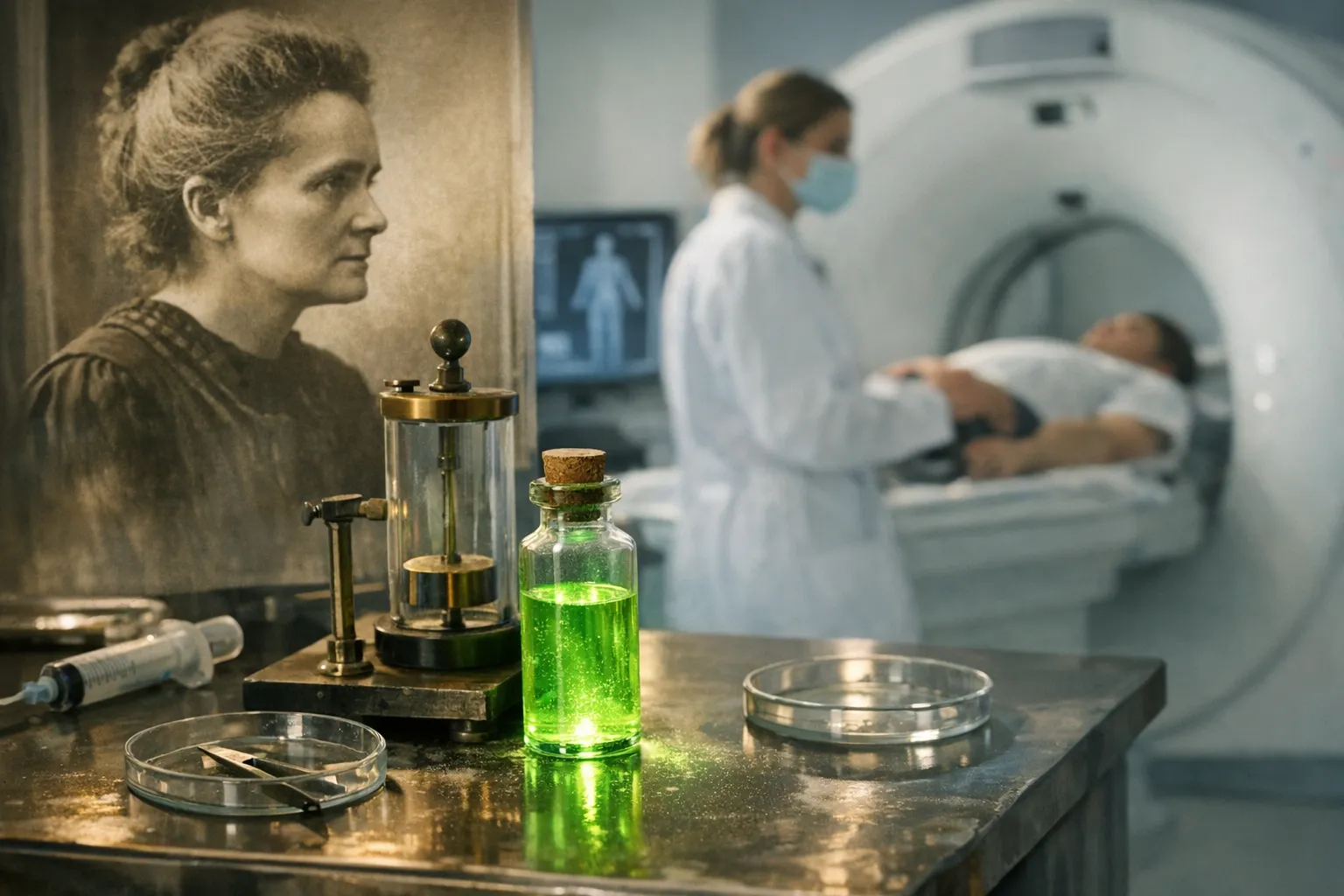
In this article, we will explore the lasting implications of Curie's discovery on contemporary medicine. From the establishment of radiotherapy as a cornerstone in cancer treatment to the development of mobile X-ray units during World War I, we'll analyze how her pioneering research has shaped modern radiology and oncology. Join us as we delve into the enduring legacy of Marie Curie and the vital role her work plays in the ongoing evolution of medical science.
Introduction: The Legacy of Marie Curie
Marie Curie, a pioneering scientist born in Poland in 1867, forever changed the landscape of modern medicine through her groundbreaking research. As the first woman to win a Nobel Prize and the only individual to receive Nobel Prizes in two different scientific fields—Physics and Chemistry—Curie's achievements are monumental. Her relentless pursuit of knowledge and dedication to science broke barriers, particularly for women in a field dominated by men at the time.
In 1898, Curie, alongside her husband Pierre Curie, discovered radium, a highly radioactive element that would become instrumental in medical applications. This discovery not only paved the way for advancements in radiology and oncology but also fundamentally altered how we approach the treatment of cancer. As noted in a famous analogy, "discovering radium was like finding a key that unlocked the door to a new realm of medical possibilities."
Curie's contributions are particularly significant in the context of women's roles in science. At a time when women were often marginalized, her success served as an inspiration for future generations of female scientists. Without her discovery of radium, the development of radiological techniques and nuclear medicine would have faced considerable delays, hindering our understanding of radioactivity’s role in medicine.
Her work also had practical implications during World War I, leading to the establishment of mobile X-ray units that provided crucial diagnostic capabilities on the battlefield. This combination of theoretical and practical advancements underscores Curie’s lasting impact on both science and society, solidifying her legacy as a true pioneer in medical history.
The Discovery of Radium: A Turning Point in Science
In the late 19th century, the scientific environment was ripe for breakthroughs. The era was marked by curiosity and experimentation, as scientists like Wilhelm Röntgen and Henri Becquerel began to unravel the mysteries of radiation. It was within this context that Marie Curie discovered radium in 1898, a moment that would forever alter the landscape of nuclear physics and medicine.
Curie’s discovery was not just another scientific achievement; it was revolutionary. By isolating radium, she provided a tangible element to study, which significantly advanced the understanding of radioactivity. This laid the groundwork for radiotherapy, a cornerstone in cancer treatment that has saved countless lives. As noted in one poignant analogy, “Curie’s work was the spark that ignited the flame of nuclear medicine.”
The initial reactions from the scientific community were mixed. While some lauded her groundbreaking work, others were skeptical of the implications of radioactivity. Nevertheless, Curie’s findings quickly garnered attention, leading to further research and exploration. Without her contributions, the development of radiological techniques and nuclear medicine would have been delayed, stifling advancements that we now take for granted.
Curie's influence extended beyond her initial discovery. Her work not only established nuclear physics as a legitimate scientific discipline but also paved the way for innovations like mobile X-ray units during World War I, which dramatically improved battlefield diagnostics. The absence of radium would have hindered our understanding of radioactivity's role in medicine, making Curie’s legacy all the more profound.
Radium and the Birth of Radiotherapy
Marie Curie's discovery of radium in 1898 was a watershed moment for modern medicine, particularly in oncology. Radiotherapy, which utilizes radiation to target and destroy cancer cells, has become a cornerstone of cancer treatment, significantly improving patient outcomes.
Curie played a vital role in establishing radiotherapy as a legitimate treatment option. Her pioneering research on radium laid the groundwork for using radioactive elements in medical applications. Before her work, the potential of radiation in treating diseases was largely unexplored. Curie’s findings demonstrated that radium could have therapeutic effects, thereby opening the door for its incorporation into clinical practice.
Several early applications of radiotherapy can be traced back to Curie’s advancements:
- Skin Cancer Treatments: In the early 20th century, radium was applied directly to treat skin lesions, leading to significant tumor reduction.
- X-ray Technology: Curie’s research also contributed to the development of mobile X-ray units during World War I, which improved battlefield diagnostics and set the stage for future imaging techniques in medicine.
As one scholar noted, "Radiation therapy is like a well-aimed arrow, targeting the heart of the disease while sparing the surrounding tissue." This analogy underscores the precision that radiotherapy aims for, a vision that Curie's discoveries helped realize.
Without Curie’s groundbreaking work, the evolution of radiological techniques and the field of nuclear medicine would have faced considerable delays. Today, her legacy continues to influence cancer treatment protocols around the world, illustrating the profound and lasting impact of her contributions.
Curie's Influence on Nuclear Medicine
Nuclear medicine is a specialized field that uses radioactive substances for diagnosis and treatment. This area has a broad scope, encompassing everything from imaging techniques to therapeutic applications, particularly in oncology. The pivotal role of Marie Curie's discovery of radium in 1898 cannot be overstated; it laid the groundwork for significant advancements in radiology and cancer treatment.
Curie's foundational contributions include:
- Radiotherapy Development: Her work directly led to the establishment of radiotherapy as a cornerstone in cancer treatment. This approach utilizes ionizing radiation to target and destroy cancer cells.
- Mobile X-ray Units: During World War I, Curie's research facilitated the development of mobile X-ray units, which revolutionized battlefield diagnostics and saved countless lives.
Modern nuclear medicine practices that stem from her research include:
- Positron Emission Tomography (PET): This imaging technique allows for the visualization of metabolic processes in the body, aiding in early cancer detection.
- Radioisotope Therapy: Treatments such as iodine-131 for thyroid cancer are direct descendants of Curie’s pioneering work, demonstrating the therapeutic potential of radioactive materials.
As one expert aptly put it, "Curie's discovery of radium was like unlocking a treasure chest; it revealed the hidden potential of radioactivity in medicine." Without her groundbreaking discoveries, the development of radiological techniques and the understanding of radioactivity's role in medicine would have faced significant delays.
In summary, Marie Curie's discovery of radium was instrumental in shaping the field of nuclear medicine, influencing both diagnostic and therapeutic practices that are essential in modern healthcare today.
Mobile X-Ray Units: A War-Time Innovation
During World War I, the urgency for advanced medical technologies became paramount, and Marie Curie's pioneering work with radium played a crucial role in this evolution. Her research directly facilitated the development of mobile X-ray units, which revolutionized battlefield medicine by enabling immediate diagnostic capabilities in war zones.
Curie not only contributed her scientific expertise but also actively advocated for the use of these mobile units, often referred to as "Little Curies." These portable X-ray machines allowed medics to quickly identify shrapnel and other injuries, drastically improving treatment outcomes. By bringing diagnostic tools directly to the front lines, the mobile units exemplified how science could meet pressing human needs in times of crisis.
The long-term effects of these innovations were profound. The introduction of mobile X-ray technology laid the groundwork for modern radiology practices, enhancing diagnostic accuracy in both military and civilian medical settings. As noted in historical reflections on her work, “Curie’s contributions were like a flashlight in the dark, illuminating the path for future medical breakthroughs.”
Key impacts of Curie's work during the war include:
- Enhanced Battlefield Diagnostics: Immediate access to imaging changed the landscape of injury treatment.
- Inspiration for Future Innovations: The success of mobile X-rays set a precedent for further advancements in portable medical technology.
- Foundation for Modern Radiology: Techniques developed during this period continue to influence contemporary diagnostic practices.
Without Curie's discovery of radium, the rapid advancement of radiological techniques and nuclear medicine would have faced significant delays, underscoring her vital role in shaping modern medical diagnostics. Her legacy lives on, profoundly influencing how we approach medical imaging and treatment in the 21st century.
The Role of Radium in Understanding Radioactivity
Marie Curie's discovery of radium in 1898 was a monumental leap in the understanding of radioactivity and its implications for medicine. This groundbreaking research not only illuminated the nature of radioactive elements but also served as a catalyst for advancements in medical applications.
The principles of radioactivity, which involve the emission of particles and energy from unstable atomic nuclei, laid the groundwork for several medical techniques. For instance, Curie's work directly contributed to the development of radiotherapy, a cornerstone in cancer treatment. The ability to harness radiation to target and destroy malignant cells has transformed oncology and significantly improved patient outcomes.
Curie's pioneering research also fostered the establishment of nuclear physics as a scientific discipline. Without her contributions, the evolution of radiological techniques and nuclear medicine would likely have faced substantial delays. Her findings paved the way for innovations such as mobile X-ray units during World War I, which facilitated battlefield diagnostics and showcased the practical applications of radiological technology.
"Understanding radioactivity in medicine is like having a key to unlock the mysteries of the human body."
As we explore the impact of radium on medical imaging and treatment techniques, it's clear that the absence of this discovery would have severely hindered our grasp of radioactivity's role in medicine. Curie's legacy continues to resonate in modern medical practices, ensuring that her contributions remain relevant in today's healthcare landscape. For a deeper dive into her Nobel Prize contributions, visit Marie Curie's Nobel Prize Contributions.
Challenges and Pitfalls of Radium Use
Despite the groundbreaking advancements brought by Marie Curie's discovery of radium in 1898, the use of this element in medicine has been fraught with significant challenges and health risks.
Health Risks
- Exposure Risks: Both patients and medical personnel have faced serious health risks due to radium exposure. Prolonged contact can lead to radiation sickness, cancer, and other severe health issues.
- Radiation Contamination: Medical devices and environments can become contaminated if proper safety measures are not in place, posing risks to staff and patients alike.
Historical Cases
Several historical cases highlight the dangers associated with radium use:
- Radium Girls: In the early 20th century, factory workers who painted watch dials with radium paint suffered severe health consequences, including jaw necrosis and other radiation-related illnesses.
- Medical Professionals: Some early physicians who utilized radium in treatments also experienced adverse health effects, leading to increased scrutiny around its use.
Lessons Learned
The experiences from the past have led to significant advancements in safety protocols:
- Regulatory Measures: Modern practices now include strict guidelines for handling radioactive materials, ensuring both patient and staff safety.
- Protective Equipment: Use of lead shields and monitoring devices helps minimize exposure during procedures involving radiological techniques.
- Education and Training: Ongoing education for medical professionals about the risks of radiation has become a cornerstone of safe practices in radiology and oncology.
In summary, while Curie's contributions to medicine are invaluable, the lessons learned from the challenges posed by radium use continue to shape safety standards and practices in the medical field today. For more on Curie's impact, see Marie Curie's Nobel Prize Contributions and The Impact of Radium on Modern Oncology.
Myth vs. Reality: Misconceptions About Radium
The legacy of Marie Curie's discovery of radium in 1898 is often clouded by misconceptions regarding its safety and efficacy in medicine. While radium was hailed as a miracle cure in the early 20th century, many of its touted benefits were based on incomplete understanding and lack of scientific rigor.
Common Misconceptions
- Safety Claims: In the early days, radium was marketed as a cure-all, leading to widespread use in various products—from cosmetics to tonics. Many believed it was entirely safe, disregarding its radioactive properties.
- Efficacy Beliefs: The assumption that radium could treat any ailment perpetuated the myth that it was universally effective. In reality, its medical applications were far more complex and required careful handling.
Historical Context
Marie Curie's groundbreaking work laid the foundation for radiotherapy, now a cornerstone in cancer treatment. However, the initial applications of radium were often experimental and poorly regulated. The lack of understanding about radiation exposure led to harmful consequences for many patients and practitioners alike.
Evolution of Public Perception
Over the decades, public perception of radium has shifted dramatically. The initial enthusiasm has given way to caution, as the medical community has learned more about the risks associated with radiation. Today, radium is recognized not only for its role in advancing nuclear medicine but also for the importance of safety protocols in its use.
In summary, while Curie's discovery was pivotal, misconceptions about radium's safety and efficacy continue to influence discussions about its historical significance and present-day applications. Understanding the reality behind these myths is crucial for appreciating Curie's enduring impact on modern medicine.
The Enduring Impact of Curie's Work on Modern Medicine
Marie Curie's discovery of radium in 1898 was not just a scientific milestone; it fundamentally transformed modern medicine, particularly in the fields of oncology and radiology. Her pioneering work laid the groundwork for radiotherapy, which has become a cornerstone in cancer treatment. Today, targeted therapies and advanced imaging techniques owe much to her legacy.
Curie's influence extends into contemporary research as well. Scientists continue to explore novel applications of radioisotopes in diagnostics and treatment, inspired by her groundbreaking work. For instance, research into radioimmunotherapy is making strides, combining radiation with targeted antibodies to better attack cancer cells.
Looking ahead, the future of medicine is likely to honor Curie's contributions even more. As technology advances, we can expect to see innovations such as:
- Precision Radiotherapy: Tailoring radiotherapy to individual patient profiles, enhancing effectiveness while minimizing side effects.
- Nuclear Medicine Innovations: Expanding the use of radioisotopes for both diagnostics and therapeutic applications.
- Mobile Diagnostic Units: Building on Curie’s work with X-ray units, future developments could further improve access to medical imaging in remote areas.
Without Curie's initial discovery, advancements in radiological techniques and nuclear medicine would likely have faced significant delays. Her work not only shaped the past but also serves as a guiding light for future medical breakthroughs, ensuring her legacy endures in the fight against diseases like cancer. For more on Curie's monumental achievements, check out her Nobel Prize Contributions and the Impact of Radium on Modern Oncology.
Conclusion: Celebrating Marie Curie's Legacy
Marie Curie's groundbreaking discovery of radium in 1898 continues to resonate profoundly in modern medicine and science. Her contributions not only revolutionized cancer treatment through the establishment of radiotherapy but also paved the way for advancements in radiology and nuclear medicine. These fields remain crucial today, underscoring the importance of her work in ongoing medical practices.
Curie's legacy is particularly significant in the context of women's roles in science. As one of the first female scientists to gain international recognition, she shattered barriers and inspired countless women to pursue careers in STEM. By celebrating her achievements, we can motivate future generations to follow in her footsteps, fostering a diverse and inclusive scientific community.
Moreover, Curie's discoveries have ongoing relevance; without her pioneering work, the development of radiological techniques and mobile X-ray units during World War I would have been delayed. Today, these innovations continue to save lives and enhance diagnostic capabilities, demonstrating the lasting impact of her research on contemporary medical practices.
Recognizing Marie Curie's contributions is not just an acknowledgment of her brilliance but a reminder of the potential within all aspiring scientists. Her legacy serves as a beacon, guiding future innovators toward a path of discovery and advancement in medicine and beyond.