
The fall of the Berlin Wall in 1989 was not just a monumental event in German history; it was a powerful testament to the impact of grassroots activism in reshaping global politics. Amidst a backdrop of oppression, ordinary citizens mobilized to demand change, igniting a movement that would reverberate across Europe and the world.
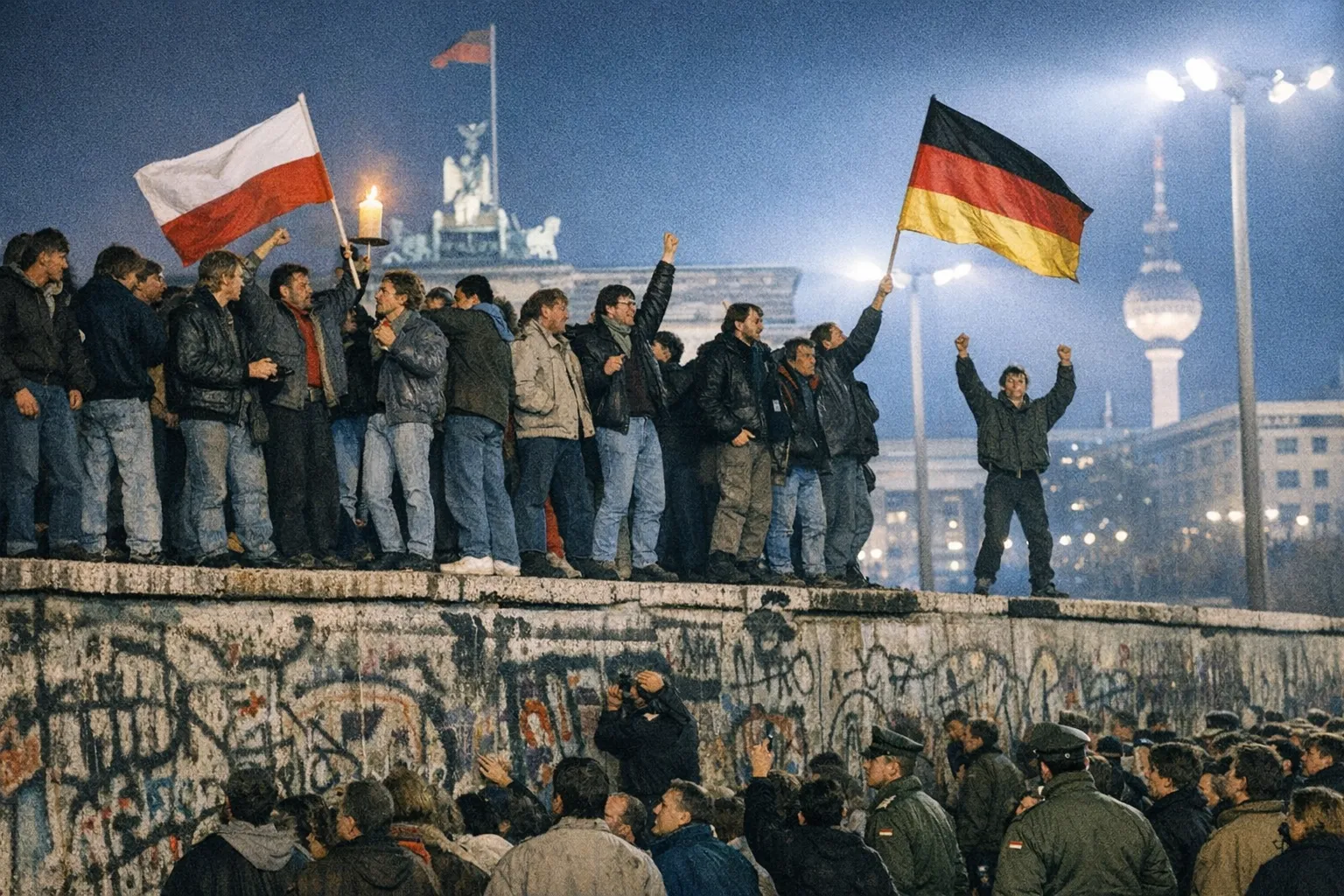
In this analysis, we will delve into the pivotal role of grassroots movements, particularly the Monday demonstrations and the Alexanderplatz protest, in leading to the Wall's collapse. We'll explore how these events not only facilitated the reunification of Germany but also sparked a wave of pro-democracy movements throughout Eastern Europe, fundamentally altering the political landscape and marking the end of the Cold War. Join us as we examine the profound implications of these grassroots efforts and their lasting influence on global politics.
The Context of the Cold War
The Cold War was a complex geopolitical struggle that defined much of the 20th century, pitting the capitalist West against the communist East. The division of Europe into two antagonistic blocs created a climate of tension and fear, with Germany serving as a crucial frontline. The construction of the Berlin Wall in 1961 symbolized this division, physically and ideologically separating East and West Berlin.
As the Wall stood for nearly three decades, it became a potent emblem of oppression and the failure of the socialist regime. The Eastern Bloc, comprising countries like East Germany, Poland, and Hungary, lived under authoritarian rule that stifled dissent and curtailed freedoms. Grassroots movements began to emerge as citizens sought reform, with the Monday demonstrations in Leipzig starting on September 4, 1989, challenging the Socialist Unity Party's grip on power.
These demonstrations reflected a broader desire for change across Eastern Europe. As one protester aptly put it, "The Wall was a cage, and we were the birds desperate to fly." The growing unrest culminated in significant events such as the Alexanderplatz demonstration on November 4, 1989, which attracted an estimated half a million to a million participants, marking a pivotal moment in the peaceful revolution that would ultimately lead to the Wall's fall.
The Wall's collapse on November 9, 1989, not only altered the fate of Germany but also accelerated the decline of communism across the continent. This event reconfigured global politics, leading to the reunification of Germany on October 3, 1990, and initiating a wave of pro-democracy movements throughout Eastern Europe.
Grassroots Movements: The Spark of Change
The fall of the Berlin Wall was not an isolated event but rather the culmination of grassroots activism that had been simmering for years. One of the most pivotal movements was the Monday demonstrations in Leipzig, which began on September 4, 1989. These peaceful protests emerged as a response to the oppressive regime of the Socialist Unity Party and quickly gained momentum, inspiring similar demonstrations across East Germany.
Local activism played a crucial role in shaping national politics. The weekly gatherings in Leipzig grew from a few hundred participants to tens of thousands, showcasing the collective yearning for freedom and reform. As protestors chanted "We are the people," they expressed a unified demand for change that resonated throughout the nation.
Key figures and organizations were instrumental in amplifying this movement. Activists like Christian Führer, pastor of St. Nicholas Church, provided a safe space for dissenters and organized the early demonstrations. The New Forum, a political movement founded in the summer of 1989, also played a critical role by advocating for democratic reforms and engaging citizens who were disillusioned with the status quo.
The Alexanderplatz demonstration on November 4, 1989, marked another milestone, drawing an estimated half a million to a million protesters. This massive turnout underscored the growing discontent and the desire for a unified voice against oppression. As historian Timothy Garton Ash aptly noted, "The Berlin Wall was not just a barrier; it was a scar in the heart of Europe, and it was the people who healed it."
Collectively, these grassroots movements not only contributed to the fall of the Berlin Wall on November 9, 1989, but also set the stage for the reunification of Germany on October 3, 1990. This remarkable shift altered the European political landscape and inspired pro-democracy movements across the continent, demonstrating the profound impact of grassroots activism in reshaping global politics.
The Monday Demonstrations: A Case Study
The Monday demonstrations in East Germany began on September 4, 1989, in Leipzig and quickly became a symbol of resistance against the Socialist Unity Party's oppressive regime. These protests were initially small but grew exponentially, drawing thousands of participants who demanded political reforms, freedom of speech, and the right to travel.
Key demands of the protesters included:
- Political Freedom: A call for democratic reforms and an end to the one-party rule.
- Human Rights: Advocating for basic civil liberties and the ability to express dissent.
- Economic Reform: A desire for improved living conditions and economic opportunities.
The government’s response was initially one of repression, with police deployed to suppress the protests. However, as the demonstrations continued to swell, the regime found itself unable to contain the growing public discontent. This inability to quell dissent illustrated the fragility of authoritarian control.
These demonstrations are often viewed as part of the broader Peaceful Revolution, a movement that ultimately led to the fall of the Berlin Wall on November 9, 1989. As historian Timothy Garton Ash aptly put it, “The Berlin Wall was not just a physical barrier; it was a symbol of a failed experiment in totalitarianism.”
The culmination of the Monday demonstrations was the Alexanderplatz demonstration on November 4, which attracted between half a million and a million people—one of the largest gatherings in East German history. This event marked a critical turning point in the movement, showcasing the collective yearning for change and paving the way for the reunification of Germany on October 3, 1990.
Through their courage and persistence, the participants of the Monday demonstrations not only challenged local authorities but also ignited a wave of pro-democracy movements across Eastern Europe, reshaping the global political landscape in the process.
The Alexanderplatz Demonstration: A Turning Point
The Alexanderplatz demonstration on November 4, 1989, stands as a watershed moment in East German history. Attracting between half a million and a million protesters, it was one of the largest gatherings during the peaceful revolution that ultimately led to the fall of the Berlin Wall. This massive turnout highlighted the growing discontent among East Germans with the Socialist Unity Party's oppressive regime.
This demonstration was not just a show of numbers; it represented a significant shift in public sentiment. The sheer scale of participation galvanized activists and encouraged a sense of unity among various factions calling for reform. As one observer noted, “It was as if a dam had broken, releasing a flood of aspirations for freedom.”
Media coverage played a crucial role in amplifying the message of the demonstrators. International news outlets broadcast images of the event, drawing attention and support from around the world. This global spotlight not only bolstered the morale of the protesters but also put pressure on the East German government, which could no longer ignore the growing tide of dissent.
The Alexanderplatz demonstration was a pivotal moment that demonstrated the power of grassroots activism. It built on the momentum from earlier protests, like the Monday demonstrations in Leipzig, which began just two months prior. The implications of this event extended beyond East Germany, influencing pro-democracy movements across Eastern Europe and contributing to the eventual collapse of communist rule in the region.
In summary, the Alexanderplatz demonstration was not just a protest; it was a turning point that helped reshape the political landscape of Europe, paving the way for the reunification of Germany and the end of the Cold War.
The Peaceful Revolution: From Protest to Policy
The Peaceful Revolution, or Die Wende, was a transformative grassroots movement that played a crucial role in the fall of the Berlin Wall on November 9, 1989. This revolution marked a shift from oppressive governance to a political landscape shaped by public demand and activism.
Key events leading to this monumental change included the Monday demonstrations in Leipzig, which began on September 4, 1989. These gatherings, initially modest in scale, quickly grew as citizens voiced their frustrations against the Socialist Unity Party's rule. By November 4, the Alexanderplatz demonstration in East Berlin attracted between half a million and a million protesters, serving as a pivotal moment that galvanized public sentiment.
Political negotiations, influenced heavily by these grassroots movements, began to take shape in late 1989. The growing pressure from the populace forced authorities to consider reforms. As one observer aptly noted, "The wall that divided East and West was not just made of concrete; it was built on fear, which crumbled under the weight of collective courage."
This momentum culminated in the opening of the Berlin Wall, which not only reunited families but also set off a chain reaction across Eastern Europe. The fall of the Berlin Wall led to the reunification of Germany on October 3, 1990, and significantly altered the European political landscape. It accelerated the spread of democracy, inspiring movements in neighboring countries like Poland and Hungary, ultimately reshaping the global order post-Cold War.
The Fall of the Berlin Wall: A Global Impact
The fall of the Berlin Wall on November 9, 1989, was not merely a national event but a seismic shift in global politics. It set off a chain reaction that transformed Europe and beyond.
Reunification of Germany
The most immediate effect was the reunification of Germany on October 3, 1990. This event symbolized the end of decades of division, allowing for the integration of East and West Germany. The reunification was significant not only for Germans but also for Europe, as it signaled a move toward greater unity and cooperation.
Impact on Eastern Europe
The collapse of the Berlin Wall acted as a catalyst for democratic movements across Eastern Europe. Inspired by peaceful protests like the Monday demonstrations in Leipzig, which began on September 4, 1989, countries such as Poland, Czechoslovakia, and Hungary began to dismantle their socialist regimes. This wave of democratization reshaped the political landscape and allowed for the expansion of the European Union and NATO, as former Eastern Bloc countries sought closer ties with the West.
End of the Cold War
The fall of the Berlin Wall marked the end of the Cold War, leading to a reconfiguration of global power dynamics. The United States emerged as the predominant superpower, creating a unipolar world order. As historian and political analyst John Lewis Gaddis once said, "The fall of the wall was like the opening of a dam; once the water started flowing, it was unstoppable."
In summary, the fall of the Berlin Wall was a pivotal moment that not only reunited a nation but also catalyzed the spread of democracy and altered the global political landscape for decades to come.
Post-Wall Europe: New Political Landscapes
The fall of the Berlin Wall in 1989 heralded a seismic shift in European politics, fundamentally altering the continent's trajectory. It spurred the expansion of the European Union and NATO, as former Eastern Bloc countries sought integration with Western Europe. This desire for alignment not only enhanced regional security but also fostered economic cooperation.
Key Changes in European Politics:
-
Expansion of the European Union and NATO: The political landscape saw the integration of nations like Poland, Hungary, and the Czech Republic into these Western institutions. This move aimed to stabilize and democratize these countries, ensuring that they aligned with Western values and norms.
-
Integration of Former Eastern Bloc Countries: The rapid shift from authoritarian regimes to democracies allowed for a reinvigoration of national identities. Grassroots movements, such as the Monday demonstrations in East Germany, played a crucial role in this transition, showcasing the power of civil society in demanding change.
-
Shifts in Security and Economic Policies: The end of the Cold War allowed for a reconfiguration of security policies across Europe. Nations began to prioritize collective security measures, shifting from a purely military focus to include economic interdependence as a stabilizing factor.
As historian Timothy Garton Ash aptly put it, “The fall of the Berlin Wall was not just the collapse of a barrier; it was the dismantling of a mindset.” This analogy captures how the fall of the Wall not only transformed physical landscapes but also reshaped perceptions of democracy and governance across the continent.
In the aftermath, the reunification of Germany on October 3, 1990, symbolized the culmination of these efforts and marked a new era for Europe, one that would increasingly lean towards democracy, open markets, and cooperative security.
Challenges and Conflicts After the Wall
The aftermath of the Berlin Wall's fall was not merely a celebration of freedom; it also revealed deep social tensions and conflicts that emerged in reunified Germany. One key event was the Battle of Mainzer Straße in November 1990, where clashes erupted between police and protesters. This confrontation highlighted the stark reality of ongoing societal divisions, particularly in the former East Germany, where many felt marginalized in the new political landscape.
Post-reunification, Germany faced significant social and economic challenges. Many citizens from the East struggled with unemployment and integration into a capitalist economy that felt foreign to them. The transition was not seamless; disparities in wages, job opportunities, and social services became points of contention, fueling frustrations among those who felt left behind.
The reunification process also prompted a reevaluation of national identity. East Germans grappled with their place in a unified country, leading to a collective sense of loss for the social structures they had known. As one observer noted, “Reunification felt like being handed a new identity card while still carrying the weight of an old one.” This struggle for identity was compounded by rising nationalism and xenophobia, which sometimes found expression in violent protests.
In summary, while the fall of the Berlin Wall marked a significant historical turning point, it also set the stage for complex challenges that would shape Germany's social fabric for years to come. The journey toward true integration remains ongoing, reflecting the deep scars of division and the enduring need for reconciliation.
Legacy of the Grassroots Movements
The fall of the Berlin Wall in 1989 serves as a powerful example of how grassroots activism can reshape global politics. This moment was not merely a local event; it influenced contemporary social movements around the world, inspiring activists to challenge oppressive regimes.
Influence on Contemporary Social Movements
Grassroots efforts, like the Monday demonstrations in Leipzig, ignited a wave of pro-democracy movements across Eastern Europe. Their impact can be seen in modern protests, such as the Arab Spring and Black Lives Matter, where ordinary citizens mobilize against systemic injustices. The collective action in East Germany demonstrated that organized, peaceful protests could effectively challenge entrenched power structures.
Lessons Learned from the Peaceful Revolution
The Peaceful Revolution, which culminated in the wall's fall, taught vital lessons about the power of unity and non-violent resistance. Activists learned that sustained, peaceful demonstrations could mobilize large segments of society. The Alexanderplatz demonstration, attracting between half a million and a million protesters, exemplified this principle, showing that numbers could translate into significant political change.
"Grassroots activism is like a pebble tossed into a pond; the ripples can reach distant shores."
The Role of Citizen Activism in Modern Democracies
Today, citizen activism remains crucial in shaping democratic discourse. Movements inspired by the fall of the Berlin Wall highlight the importance of grassroots engagement in maintaining democracy. In many democracies, public participation can hold leaders accountable and foster civic responsibility, ensuring that the lessons from the past continue to resonate in the present.
In summary, the legacy of grassroots movements surrounding the Berlin Wall is a testament to the enduring power of citizen activism. Their influence not only redefined Europe but also laid the groundwork for global movements advocating for justice and freedom.
Myths vs. Reality: Understanding the Fall of the Berlin Wall
The fall of the Berlin Wall is often shrouded in myths, particularly regarding the influence of external forces. One common misconception is that it was primarily Western intervention—such as pressure from the United States—that catalyzed the collapse. In reality, the events leading to the Wall’s fall were largely driven by grassroots activism within East Germany.
Myths about External Forces
- Western Pressure as the Main Catalyst: Many believe that external political pressure led to the Wall's fall. While Western nations played a role, the movement was fundamentally local.
- Single Event Theory: Some think the Wall fell overnight due to a single incident or announcement. The truth is that it was the culmination of a series of public protests and movements.
Reality of Grassroots Activism's Impact
- Monday Demonstrations: Beginning on September 4, 1989, these protests in Leipzig sparked a nationwide uprising against the Socialist Unity Party. They showcased the power of collective action among ordinary citizens.
- Alexanderplatz Demonstration: On November 4, 1989, between half a million and a million protesters gathered in East Berlin, marking one of the largest demonstrations in East German history. This event underscored the widespread demand for change.
Understanding the Complexity of Events
The fall of the Berlin Wall was not a solitary event but part of a broader movement known as the Peaceful Revolution, or Die Wende. This series of events ultimately led to the reunification of Germany on October 3, 1990, reshaping the political landscape of Europe and accelerating the spread of democracy across Eastern Europe. The grassroots movements, especially the sustained protests, were crucial in challenging the status quo and mobilizing citizens towards a common goal.
Understanding these dynamics reveals the multifaceted nature of this historic moment and emphasizes the importance of local activism in global change.