
The intersection of traditional craftsmanship and modern design aesthetics is a captivating theme, especially when showcased in a setting as picturesque as St. Moritz. The 2026 Nomad St. Moritz Design Showcase, featuring the collaboration with Armani/Casa, adds a rich layer to this dialogue, presenting a unique blend of history and innovation.
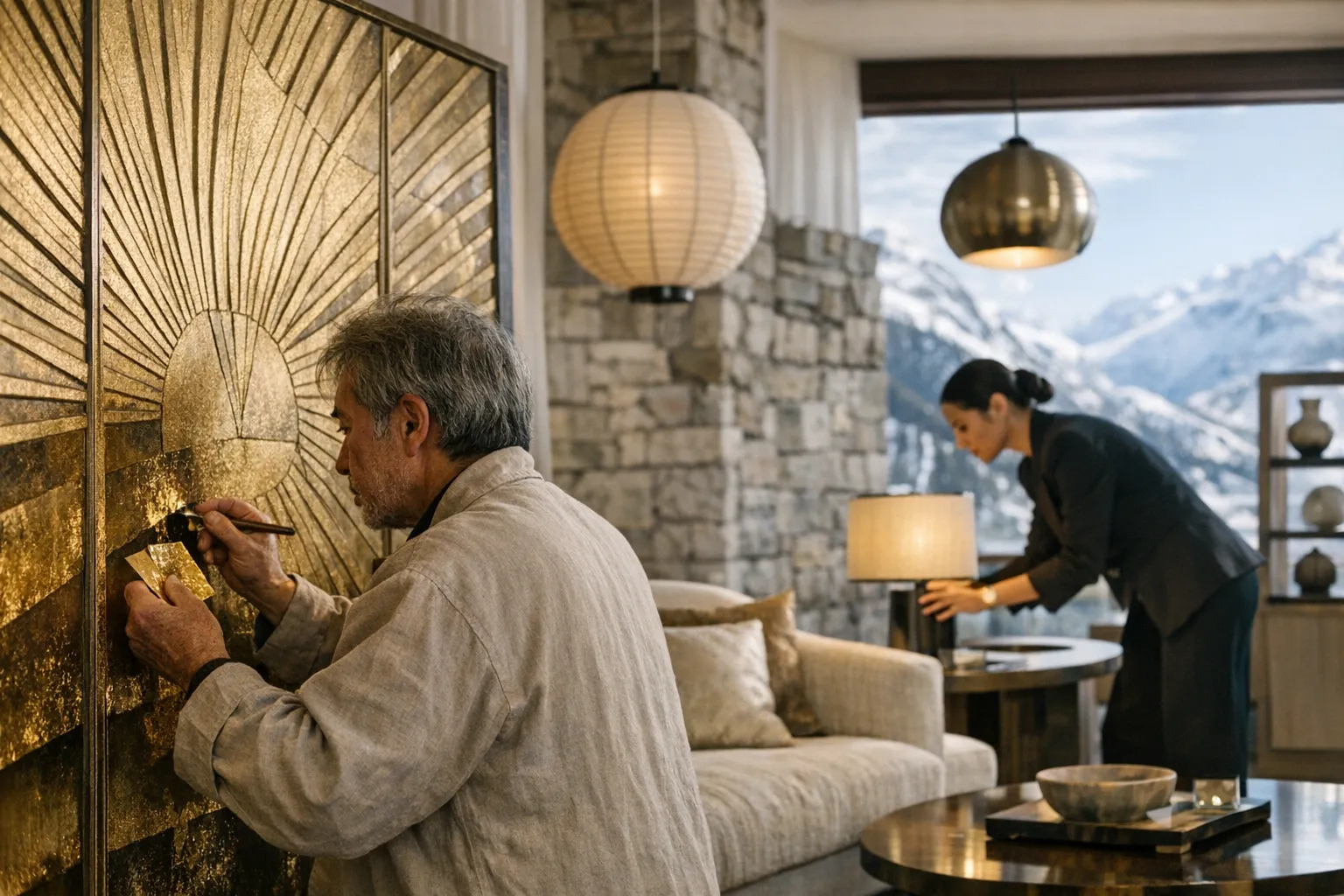
In this article, we’ll explore how the showcase, held from February 12–15 at the newly renovated Villa Beaulieu, transformed this space into a home-like environment that invites deeper viewer engagement. We’ll delve into the featured exhibitions, including "Through the Looking Glass," which highlights the works of artists Jane Crisp and Yuta Segawa, and examine how their reinterpretations of traditional techniques resonate with contemporary design. Join us as we unpack the artistic expressions that define the Nomad St. Moritz Design Showcase and its emphasis on the fusion of the old and the new.
Introduction to the 2026 Nomad St. Moritz Design Showcase
The 2026 Nomad St. Moritz Design Showcase took place from February 12–15, 2026, at the beautifully renovated Villa Beaulieu in St. Moritz, Switzerland. This prestigious event marked a significant moment in the design calendar, bringing together innovative designers and collectors in an immersive, home-like setting.
A highlight of this year's showcase was the special collaboration with Armani/Casa, titled "Giorgio Armani / Unveiled." This partnership emphasized the fusion of traditional craftsmanship with contemporary design aesthetics, showcasing works by artists like Jane Crisp and Yuta Segawa. Their pieces, part of the exhibition "Through the Looking Glass," reinterpreted age-old techniques while seamlessly integrating them into Giorgio Armani's lifestyle ethos.
As the event unfolded, it became clear that Nomad St. Moritz is not just a design showcase but a pivotal platform for design innovation. It underscores the mission to blend tradition and modernity, creating an environment where creators and collectors converge.
"The Nomad St. Moritz Design Showcase is like a bridge, connecting the sturdy shores of tradition with the vibrant waters of modern creativity."
With custom furnishings, rich textiles, and a carefully curated atmosphere, the showcase transformed Villa Beaulieu into an Alpine-infused haven, inviting attendees to explore the intricate dance between craftsmanship and innovation.
The Venue: Villa Beaulieu and Its Transformation
The 2026 Nomad St. Moritz Design Showcase took place at the newly renovated Villa Beaulieu, a historic site that once served as Klinik Gut. This transformation not only honors the building's past but also reimagines its role in the contemporary design landscape.
The renovation aimed to create a home-like setting that enhances the overall design experience. Custom furnishings, rich textiles, and carefully selected materials contributed to a warm, Alpine-infused atmosphere, inviting attendees to engage deeply with the showcased works. This approach aligns perfectly with the Nomad showcase's mission to blend tradition and innovation.
Key features of the Villa Beaulieu transformation include:
- Home-like Environment: The space was designed to feel inviting, encouraging social interaction among visitors.
- Integration of Art and Architecture: The renovation seamlessly combined the building’s architectural elements with the artistic displays, enhancing viewer engagement.
- Experiential Areas: Collaborations with designers like Nina Yashar of Nilufar resulted in unique spaces, such as a restaurant and VIP lounge, featuring a nostalgic palette of chocolate and mint tones.
By transforming Villa Beaulieu into a vibrant hub for contemporary design, the Nomad St. Moritz Design Showcase successfully highlights the intersection of historical craftsmanship and modern aesthetics. The venue not only serves as a backdrop for the showcase but also embodies the spirit of the event, encouraging a dialogue between the past and the present.
Armani/Casa Collaboration: 'Giorgio Armani / Unveiled'
The 'Giorgio Armani / Unveiled' exhibition at the 2026 Nomad St. Moritz Design Showcase presented a compelling fusion of traditional craftsmanship and contemporary design. Held from February 12–15 at the newly renovated Villa Beaulieu, the exhibition transformed the space into an inviting, home-like environment.
Key Themes Explored
This collaboration delved into several thematic elements:
- Reinterpretation of Tradition: Curated by Abby Bangser, the exhibition titled "Through the Looking Glass" highlighted how artists like Jane Crisp and Yuta Segawa reinterpret traditional techniques, merging them with modern design aesthetics.
- Craftsmanship and Lifestyle: The works presented underscored the intersection of craftsmanship and Giorgio Armani's design philosophy, focusing on how these elements contribute to a refined lifestyle.
- Alpine Influence: Custom furnishings and rich textiles created a warm, Alpine-infused atmosphere, enhancing the overall sensory experience.
Impact of Armani's Design Philosophy
Armani’s design ethos profoundly influenced the showcased works. His commitment to elegance and simplicity resonated throughout the exhibition, as each piece reflected a harmonious blend of comfort and sophistication.
- Material Selection: The careful choice of materials not only elevated the aesthetic appeal but also emphasized a tactile connection to the surrounding landscape.
- Atmospheric Integration: The transformation of Villa Beaulieu into a cohesive space for art and design reinforced Nomad's mission to merge tradition and innovation, creating a unified artistic experience.
In essence, the 'Giorgio Armani / Unveiled' exhibition served as a testament to how traditional techniques can seamlessly integrate with modern design, marking a significant moment in the ongoing dialogue between past and present within the design community.
Curatorial Vision: 'Through the Looking Glass'
Curated by Abby Bangser, founder of Object & Thing, the exhibition "Through the Looking Glass" stands as a testament to the innovative fusion of traditional techniques and contemporary design at the 2026 Nomad St. Moritz Design Showcase. Bangser's vision centers on reinterpreting craftsmanship, bringing a fresh perspective to Giorgio Armani's aesthetic philosophy.
The exhibition emphasizes the importance of traditional techniques, showcasing how they can be revitalized within a modern context. Bangser's approach not only highlights the skill involved in these techniques but also their relevance in today's design landscape. For instance, the works of London-based artists Jane Crisp and Yuta Segawa serve as prime examples.
- Jane Crisp explores the boundaries of textile design, employing age-old weaving methods that result in strikingly modern pieces.
- Yuta Segawa merges ceramics with contemporary forms, creating sculptures that resonate with both historical significance and modern minimalism.
Set within the newly renovated Villa Beaulieu, the event transformed the space into a home-like environment, enhancing viewer engagement. Custom furnishings and rich textiles created a warm, Alpine-infused atmosphere, perfectly in tune with the showcase's overarching theme of merging tradition with innovation.
Overall, the curatorial strategy not only celebrates the craftsmanship of the past but also invites a dialogue about its place in contemporary design, reflecting Nomad’s mission to unify creators and collectors in a shared artistic experience.
Reinterpreting Tradition: The Role of Craftsmanship
Craftsmanship serves as a vital bridge between the rich history of design and the fresh perspectives of modern aesthetics. At the 2026 Nomad St. Moritz Design Showcase, this intersection was on full display, particularly through the collaboration with Armani/Casa.
The exhibition, "Through the Looking Glass" curated by Abby Bangser, highlighted how traditional techniques can be reinterpreted within contemporary frameworks. For example, London-based artists Jane Crisp and Yuta Segawa showcased their works that embody this dialogue, merging age-old craftsmanship with modern design principles. Their pieces not only reflect tradition but also resonate with the current design narrative.
The impact of craftsmanship at the showcase was palpable. By transforming Villa Beaulieu into a home-like environment, the event created an inviting atmosphere that encouraged viewer engagement. Attendees were drawn into spaces adorned with custom furnishings and rich textiles, all carefully selected to amplify the Alpine-infused ambiance. This thoughtful integration of architecture, art, and design allowed visitors to experience craftsmanship in a way that felt both familiar and innovative.
In summary, the Nomad St. Moritz Design Showcase not only celebrated craftsmanship but also demonstrated its essential role in connecting the past with contemporary design. This blend of tradition and innovation exemplifies the event's mission to create a unified artistic experience.
Creating Atmosphere: Custom Furnishings and Textiles
The 2026 Nomad St. Moritz Design Showcase, held from February 12–15, transformed the Villa Beaulieu into a captivating home-like environment, expertly blending traditional techniques with contemporary design. Custom furnishings played a pivotal role in establishing this unique atmosphere.
-
Custom Furnishings: The showcase featured bespoke pieces that not only embodied functionality but also told a story. For instance, the collaboration with Armani/Casa brought forward furniture that echoed the elegance of Italian craftsmanship while integrating modern lines and forms.
-
Rich Textiles and Materials: The selection of textiles was equally impressive. Soft alpaca wools and intricate weaves were chosen to create a tactile experience that resonated with the Alpine setting. Rich hues complemented the natural landscape, enhancing the overall aesthetic and inviting visitors to engage with the pieces.
-
Alpine-Infused Atmosphere: The carefully curated environment was more than just visually appealing; it was designed to evoke warmth and comfort. The nostalgic color palette of chocolate and mint tones, developed in collaboration with designers like Nina Yashar, coupled with the natural light filtering through large windows, created an inviting space that felt intimate yet expansive.
This fusion of rich materials and thoughtful design choices not only highlighted the event's core mission—merging tradition with innovation—but also made the Nomad St. Moritz Design Showcase a memorable experience for all who attended.
Experiential Areas Designed by FNA Concept
At the 2026 Nomad St. Moritz Design Showcase, FNA Concept crafted immersive experiential areas, including a restaurant and a VIP lounge, designed in collaboration with Nina Yashar of Nilufar. These spaces were not just functional; they were artistic expressions that invited guests to engage with the design narrative of the event.
Key Features of the Spaces:
-
Nostalgic Color Palettes: The restaurant and lounge embraced a warm, nostalgic palette featuring chocolate and mint tones. This choice not only evoked a sense of comfort but also harmonized with the Alpine setting of Villa Beaulieu.
-
Curated Atmosphere: Custom furnishings and rich textiles adorned the spaces, creating an inviting environment. The design aimed to feel like a home, integrating art and architecture to enhance viewer engagement.
-
Artistic Collaborations: The areas showcased the intersection of traditional craftsmanship with contemporary design aesthetics. This was particularly evident in the works of artists like Jane Crisp and Yuta Segawa, who reinterpreted traditional techniques within the modern context.
-
Integration with the Venue: Villa Beaulieu, formerly Klinik Gut, had been transformed to reflect the thematic essence of the showcase. The renovation allowed for a seamless blend of the historical and the modern, enhancing the overall experience for attendees.
The experiential areas not only served as social hubs but also as a testament to the Nomad St. Moritz Design Showcase's mission of merging tradition with innovation, creating a unified artistic experience for all.
Expanding the Design Community: Newcomers and Collaborations
The 2026 Nomad St. Moritz Design Showcase, held from February 12-15, marked a significant expansion of its design community by welcoming newcomer Nikos Koulis. Known for his innovative approach to jewelry design, Koulis's work brings a fresh perspective that beautifully intertwines traditional craftsmanship with contemporary aesthetics. His unique pieces not only highlight his artistic vision but also resonate with the overarching theme of the showcase—bridging the gap between heritage and modernity.
The event served as a vital platform for fostering a global design community. By featuring a diverse array of designers and artists, such as London-based Jane Crisp and Yuta Segawa, Nomad St. Moritz emphasizes the importance of collaboration. Their works, showcased in the exhibition "Through the Looking Glass," reinterpret traditional techniques, enriching the dialogue between craftsmanship and modern design. This blend enhances the event's mission to unite creators, collectors, and environments into a cohesive artistic experience.
The impact of these new collaborations is significant. The partnership with Armani/Casa, highlighted by the special exhibition "Giorgio Armani / Unveiled," showcases how established brands can elevate emerging talents. The transformed Villa Beaulieu—once Klinik Gut—provides a warm, Alpine-infused atmosphere that enhances viewer engagement. With custom furnishings and rich textiles, the space becomes a living gallery, where tradition and innovation coexist harmoniously.
In summary, the inclusion of newcomers like Nikos Koulis and the collaborative spirit of the Nomad St. Moritz Design Showcase not only enrich the design dialogue but also reinforce the event’s commitment to celebrating both heritage and modernity.
The Mission of Nomad: Merging Tradition and Innovation
The Nomad St. Moritz Design Showcase embodies a unique mission: the seamless integration of traditional techniques with modern design aesthetics. This fusion not only showcases the depth of craftsmanship but also invigorates the contemporary design landscape.
At the heart of this mission is the collaboration with Armani/Casa, particularly highlighted in the exhibition titled "Giorgio Armani / Unveiled." This initiative emphasizes reinterpretations of traditional methods, as seen in the works of artists like Jane Crisp and Yuta Segawa, who bridge the gap between heritage and innovation. Their pieces breathe new life into age-old techniques, showcasing how past influences can inform modern sensibilities.
Creators and collectors converge at this event, creating a vibrant community where art and design flourish. The atmosphere at Villa Beaulieu—previously Klinik Gut—was meticulously crafted to feel home-like, with custom furnishings and rich textiles enhancing viewer engagement. This thoughtful design encourages interaction, allowing visitors to appreciate the artistry behind each piece intimately.
The impact of Nomad's mission extends beyond individual exhibitions; it actively shapes the design landscape by fostering dialogues between creators and audiences. By blending tradition with innovation, Nomad not only preserves cultural narratives but also propels them into the future, inspiring new generations of designers and collectors alike.
In essence, the Nomad St. Moritz Design Showcase stands as a testament to the power of merging diverse artistic expressions, reinforcing its position as a pivotal event in the contemporary design calendar.
Conclusion: The Future of Design at Nomad St. Moritz
The 2026 Nomad St. Moritz Design Showcase has set a high bar for the fusion of traditional techniques with modern design aesthetics. Key takeaways from the event highlight a clear trajectory towards collaboration and experiential design.
- Collaborations: The special partnership with Armani/Casa, particularly through the exhibition titled "Giorgio Armani / Unveiled," showcased how contemporary design can reinterpret traditional craftsmanship. Artists like Jane Crisp and Yuta Segawa exemplified this blend, creating pieces that resonate with both history and modernity.
- Environmental Integration: The transformation of Villa Beaulieu into a home-like setting underscored the importance of context in design. Custom furnishings and rich textiles created an inviting atmosphere that enhanced viewer engagement.
Looking ahead, we can anticipate a rise in similar collaborations that merge diverse artistic backgrounds. The inclusion of newcomers, like Nikos Koulis, indicates a growing global design community eager to explore this intersection.
Final thoughts on the significance of merging traditional and modern aesthetics revolve around the potential for innovation. As demonstrated at Nomad St. Moritz, this fusion not only enriches the design dialogue but also inspires future trends that honor craftsmanship while embracing contemporary needs. The event has indeed paved the way for a more inclusive and dynamic approach to design, encouraging the next generation of creators to explore the vast possibilities at this intersection.