
Jean-Michel Basquiat's work has long captivated audiences with its raw energy and profound cultural commentary. His human head motifs, in particular, stand as a compelling focal point, blending anatomical exploration with rich symbolism. As the Louisiana Museum of Modern Art prepares for the exhibition "Basquiat – Headstrong," running from January 30 to May 17, 2026, these motifs offer a unique lens through which to examine both Basquiat's artistic practice and the cultural narratives he engaged with.
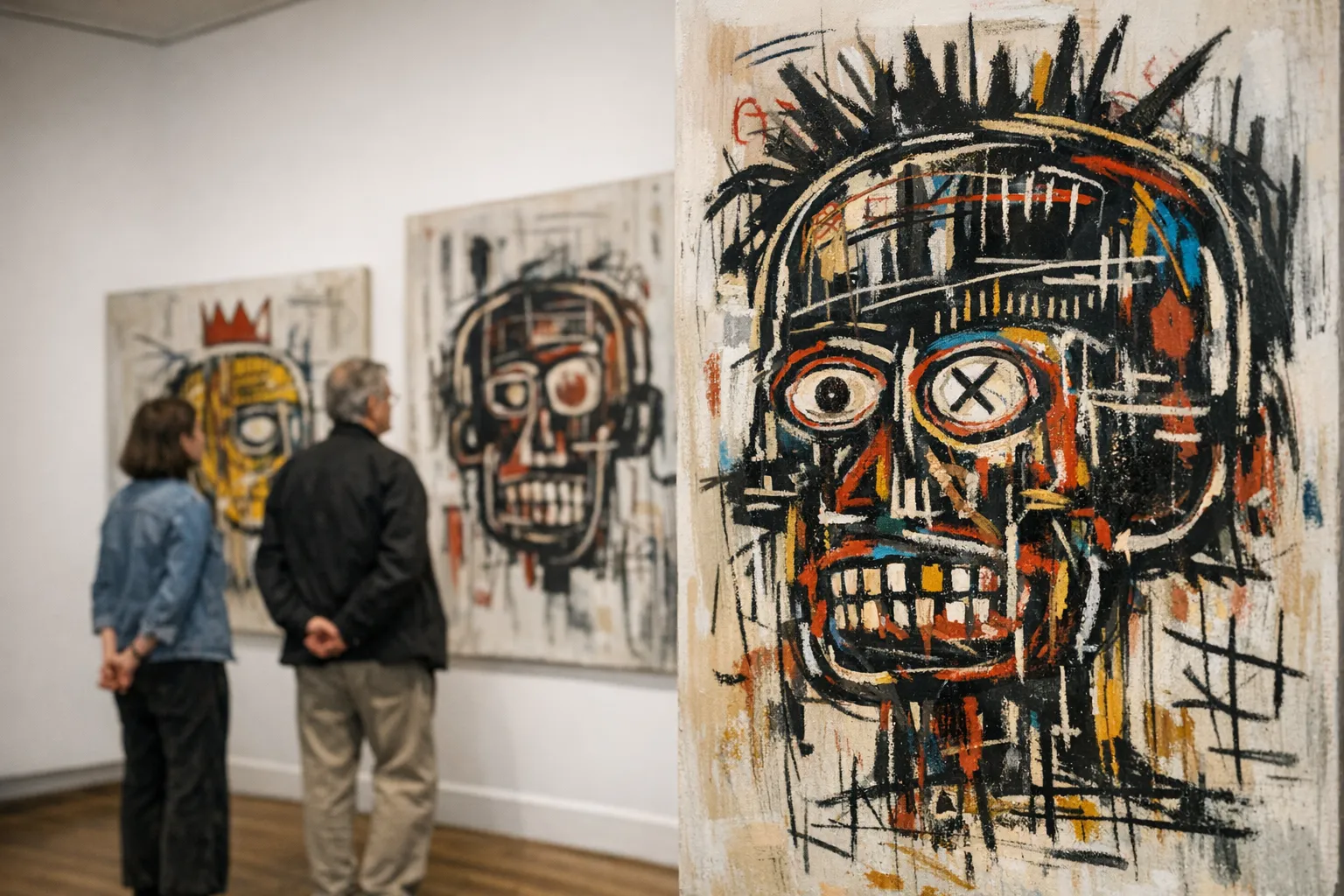
In this article, we will delve into the significance of the human head motif in Basquiat's oeuvre, particularly the works created between 1981 and 1983. By exploring how these pieces draw on African art, mask symbolism, and urban culture, we will uncover the deeper implications of Basquiat's artistry and why this exhibition marks a pivotal moment for understanding his legacy. Expect insights that highlight the interplay of form, medium, and meaning in Basquiat's exploration of identity and society.
Introduction to Basquiat's Head Motif
Jean-Michel Basquiat's artistic journey is a compelling narrative of a young artist transforming the landscape of contemporary art. Emerging from the vibrant street art scene of the late 1970s in New York City, Basquiat quickly made a name for himself with his raw, expressive style. His work often fuses elements of graffiti with fine art, creating a unique discourse around identity, race, and culture.
Central to Basquiat's oeuvre is the human head motif, which he explored extensively between 1981 and 1983. These pieces, characterized by their vivid use of colored oil sticks on paper, often blend anatomical studies with symbolic abstraction. Many of these works evoke the essence of masks, drawing deeply from African art and urban culture. As art critic Robert Storr once noted, “Basquiat's heads are like windows into the soul, revealing layers of identity and emotion.”
The upcoming exhibition, 'Basquiat – Headstrong,' at the Louisiana Museum of Modern Art, running from January 30 to May 17, 2026, marks a significant milestone. This exhibition is the first comprehensive showcase of Basquiat's head motifs, including many works that remained private during his lifetime. The collection will not only highlight rarely seen drawings but also invite visitors to reflect on Basquiat's innovative approach to the human figure.
Featuring loans from major collections worldwide, 'Headstrong' promises to offer deeper insights into Basquiat's exploration of identity through the human head. An accompanying illustrated publication will further enrich this experience, providing new research and context for understanding the cultural implications of his work.
The Louisiana Museum Exhibition Details
The Louisiana Museum of Modern Art is set to host the exhibition 'Basquiat – Headstrong' from January 30 to May 17, 2026. This marks a significant milestone as it is the first comprehensive showing dedicated exclusively to Jean-Michel Basquiat's human head motifs.
Featuring a remarkable collection of works, many of which remained private during Basquiat's lifetime, the exhibition includes notable loans from both private and public collections worldwide. This curated selection allows for an in-depth exploration of his approach to the human head, a central theme in his oeuvre.
Between 1981 and 1983, Basquiat created numerous drawings that emphasize the human head, characterized by their raw and expressive use of colored oil sticks on paper. The works not only reflect anatomical studies but also delve into symbolic abstraction, drawing on African art and mask symbolism.
As a memorable analogy captures the essence of Basquiat's approach: “His heads are not just images; they are windows into a complex cultural landscape.”
The exhibition will also be accompanied by an illustrated publication featuring newly commissioned research, offering deeper insights into Basquiat's exploration of the human head motif. This event is particularly noteworthy as it is the first solo presentation of Basquiat in a museum within Scandinavia, elevating the significance of his work in an institutional context.
Historical Context of Basquiat's Work
The 1980s art scene in New York was marked by a radical shift towards expressive and often confrontational styles. This era saw the emergence of graffiti art, street culture, and a fusion of various artistic influences. Jean-Michel Basquiat quickly rose to prominence within this vibrant milieu, captivating audiences with his raw, emotive works that defied conventional boundaries.
Between 1981 and 1983, Basquiat created numerous drawings centered on the human head. These pieces are characterized by his innovative use of colored oil sticks on paper, imbuing them with a unique visual gravitas. Many of these works resembled masks, drawing heavily from African art and symbolism that resonated deeply with the urban culture surrounding him.
Basquiat’s human head motif serves as both an anatomical study and a conduit for symbolic abstraction. His exploration is reminiscent of a "cultural palimpsest," where layers of meaning are inscribed over one another, revealing the complexities of identity and society.
Key influences on Basquiat's work include:
- African Art: The use of masks and symbols that reflect cultural heritage.
- Urban Culture: Graffiti and street art's immediacy and spontaneity.
- Art Historical References: Incorporation of elements from classical and contemporary art.
The upcoming exhibition at the Louisiana Museum of Modern Art, titled "Basquiat – Headstrong," from January 30 to May 17, 2026, promises to showcase these rarely seen works, offering a comprehensive look at his depictions of the human head. This marks a significant moment in art history, as it is the first institutional focus on this group of drawings.
Analyzing the Human Head Motif
Jean-Michel Basquiat's human head motif serves as a profound exploration of identity, culture, and self-representation. Between 1981 and 1983, he produced a wealth of drawings that intertwine anatomical studies with symbolic abstraction. This duality not only reflects his artistic innovation but also invites viewers to engage with deeper cultural narratives.
One significant aspect of these works is their resemblance to masks, deeply rooted in African art traditions. Masks in various cultures symbolize transformation and identity, acting as a bridge between the spiritual and physical realms. Basquiat's heads often embody this concept, challenging conventional representations of the self. As the exhibition at the Louisiana Museum notes, "Basquiat's art is like a mirror; it reflects the chaos and beauty of urban existence."
-
Anatomical Study: Basquiat's head motifs often exhibit a raw, visceral quality, emphasizing the human form's physicality. This connection to anatomy invites viewers to contemplate the body as a canvas for cultural expression.
-
Cultural Significance of Masks: Masks serve as a powerful symbol in Basquiat's work, linking his artistic vision to broader themes of heritage and identity. Their presence suggests a commentary on the complexities of cultural representation.
-
Identity and Self-Representation: The human head motif is a vehicle for Basquiat's exploration of personal and collective identity. Each piece offers insights into his own experiences while reflecting the diverse influences of urban culture.
The upcoming exhibition, "Basquiat – Headstrong," is poised to provide a comprehensive look at these themes, showcasing rarely seen works that delve into the significance of the human head motif. The use of vivid oil sticks enhances the emotional impact, challenging traditional artistic boundaries and emphasizing the raw energy inherent in Basquiat's vision.
Medium and Technique: Oil Stick on Paper
Jean-Michel Basquiat's innovative use of oil stick on paper profoundly shaped his artistic expression, particularly in his depictions of the human head. This medium, characterized by its vibrant pigmentation and versatility, allowed Basquiat to create works that are both visually striking and emotionally resonant.
-
Characteristics of Oil Stick: Oil sticks blend the qualities of oil paint and drawing materials. They are rich in color and can be applied with varying pressure to produce different effects, ranging from bold, thick lines to softer, more delicate marks. This adaptability enabled Basquiat to explore a range of textures and depths within his drawings.
-
Challenging Traditional Expectations: Basquiat pushed the boundaries of oil stick as a medium, using it not just for its pigment but for its potential to convey raw emotion and spontaneity. Unlike traditional painters who might layer their colors with precision, Basquiat's approach was more direct and instinctual, often resulting in a sense of urgency and immediacy in his work.
-
Visual Gravitas and Expressiveness: The vivid oil sticks imbued Basquiat's human head motifs with a unique visual gravitas, making them stand out within the broader context of 1980s art. His technique often created a dynamic interplay between anatomical representation and symbolic abstraction, drawing on influences from African mask symbolism and urban culture. As art critic Robert Storr noted, "His heads are not just portraits; they are a form of cultural commentary, like a jazz riff—spontaneous yet deeply structured."
In the upcoming exhibition, 'Basquiat – Headstrong,' at the Louisiana Museum of Modern Art, viewers will encounter a comprehensive showcase of these rarely seen works. This presentation provides an invaluable opportunity to understand how Basquiat's innovative techniques transformed the oil stick medium into a powerful vehicle for his artistic vision.
Case Study: Key Works in the Exhibition
The exhibition 'Basquiat – Headstrong' at the Louisiana Museum of Modern Art presents a unique opportunity to delve into Jean-Michel Basquiat's human head motifs, particularly those created between 1981 and 1983. These works, characterized by their raw expressiveness and vibrant colors, blend anatomical study with symbolic abstraction.
Selected Head Motifs
Among the featured pieces, several head motifs stand out:
- Mask-like Features: Many works resemble masks, drawing heavily on African art and symbolism. This connection opens dialogues about identity and cultural heritage.
- Expressive Lines and Colors: Executed in oil stick on paper, the vivid hues and spontaneous line work challenge conventional expectations of drawing, imbuing the pieces with emotional weight.
Themes and Techniques
Basquiat's head motifs are rich with layered meanings:
- Anatomical and Symbolic Fusion: The heads evoke both a scientific inquiry into human anatomy and a deep, symbolic resonance. This duality reflects the complexities of urban life and cultural identity.
- Innovative Medium Use: His choice of oil sticks allows for a tactile quality that enhances the immediacy of his expression, making the viewer feel the urgency of the messages conveyed.
"Basquiat's heads are not just representations; they are windows into the soul of a generation."
Impact on Basquiat's Legacy
The significance of these works extends beyond their aesthetic appeal. They serve as a lens through which we can understand Basquiat's artistic journey and the socio-political contexts he navigated. By showcasing these rarely seen pieces, the exhibition aims to solidify the human head motif as a cornerstone of Basquiat's legacy, inviting new interpretations and discussions about his impact on contemporary art.
For further insights, be sure to consult the accompanying illustrated publication featuring newly commissioned research on Basquiat’s exploration of the human head motif.
Myth vs. Reality: Basquiat's Artistic Intent
Jean-Michel Basquiat's work often sparks debate, particularly concerning his perceived spontaneity versus the intentionality behind his creations. Many view his art as impulsive, arising from a chaotic burst of creativity. However, this interpretation overlooks the significant depth and thoughtfulness of his artistic process.
-
Myth of Spontaneity: Critics sometimes argue that Basquiat's style is merely a product of raw emotion and randomness. This notion simplifies his complex engagement with themes of identity, race, and history.
-
Reality of Intentionality: In truth, Basquiat meticulously crafted his pieces, especially those centered on the human head motif. Between 1981 and 1983, he produced numerous works that blend anatomical studies with symbolic abstraction. These pieces reveal a thoughtful exploration of both personal and cultural identity, drawing from African art and urban culture.
The ongoing exhibition, Basquiat – Headstrong, at the Louisiana Museum of Modern Art aims to clarify these misconceptions. Running from January 30 to May 17, 2026, it is the first comprehensive showing dedicated to Basquiat's depictions of the human head, including many works that remained private during his lifetime.
- Thematic Depth: The exhibition showcases how Basquiat's head motifs often evoke both anatomical study and symbolic abstraction, inviting viewers to reflect on their cultural implications. His use of vibrant oil sticks imbues these works with a unique visual gravitas, challenging expectations of the medium.
This exhibition not only highlights Basquiat's innovative techniques but also offers deeper insights into his artistic intentions, countering the myth of spontaneity with a narrative of informed creativity.
The Role of the Illustrated Publication
Accompanying the exhibition 'Basquiat – Headstrong', the illustrated publication serves as a vital resource for understanding Jean-Michel Basquiat's human head motif. This publication not only features high-quality reproductions of the artworks but also includes newly commissioned research that delves into the cultural and artistic significance of these pieces.
Key Content Highlights
- Artwork Reproductions: The publication presents a comprehensive visual catalogue of Basquiat's head motifs, including many works that remained private during his lifetime.
- Research Insights: Scholars provide fresh perspectives on how Basquiat's exploration of the human head intertwines with themes of identity, race, and cultural heritage.
- Contextual Analysis: The publication contextualizes Basquiat's head motifs within the broader scope of 1980s art and urban culture, linking them to African art and mask symbolism.
Importance for Art Historians and Enthusiasts
- Deepened Understanding: For art historians, this publication offers crucial insights into Basquiat's technique and thematic concerns, enhancing the appreciation of his artistic legacy.
- Engagement with the Work: For enthusiasts, it acts as an accessible entry point into the complexities of Basquiat's oeuvre, fostering a deeper connection with his art.
- Historical Significance: Given that this is the first comprehensive exhibition dedicated to his head motifs in Scandinavia, the publication stands as an essential document for both scholars and fans alike.
As the exhibition runs from January 30 to May 17, 2026, this illustrated publication is poised to enrich the dialogue surrounding Basquiat's work and its enduring relevance today.
Visitor Experience and Engagement
The exhibition "Basquiat – Headstrong" at the Louisiana Museum of Modern Art aims to immerse visitors in the multifaceted world of Jean-Michel Basquiat's human head motif. This engagement is enhanced through a variety of interactive elements and educational programs designed to deepen understanding of his work.
-
Interactive Elements: The museum incorporates digital displays where visitors can explore the evolution of Basquiat's head motifs. Touchscreens allow for zooming into specific details of the artworks, revealing the intricate layers of color and texture.
-
Educational Programs: Workshops and lectures are scheduled throughout the exhibition's run, featuring art historians and contemporary artists discussing Basquiat's influence on modern art. These sessions provide attendees with contextual knowledge about the cultural and historical significance of the human head imagery.
-
Guided Tours and Discussions: Curated tours will guide visitors through the exhibition, fostering an atmosphere of dialogue. Participants can engage in discussions about the symbolism in Basquiat's work and its connections to African art and urban culture.
Visitor feedback is anticipated to play a crucial role in shaping future exhibitions. The museum has set up a feedback wall where guests can share their thoughts and reactions to the artworks, creating a dynamic dialogue between the art and its audience.
Overall, the "Basquiat – Headstrong" exhibition not only showcases a significant collection of Basquiat's works, many of which are being shown publicly for the first time, but also seeks to create a lasting impact on how visitors perceive and appreciate his artistic legacy. This initiative is a testament to the museum's commitment to fostering a deeper understanding of art within the community.
Conclusion: The Legacy of Basquiat's Head Motif
Jean-Michel Basquiat's human head motif remains a cornerstone of his artistic legacy, reflecting his complex engagement with identity, culture, and expression. His works, particularly those created between 1981 and 1983, serve as both anatomical studies and symbolic abstractions, drawing from rich cultural references including African art and urban experiences.
The head motifs allow for a deeper understanding of Basquiat's impact on contemporary art. They challenge viewers to confront themes of race, history, and self-representation. His innovative approach—using colored oil sticks on paper—imbues these works with a raw, expressive quality that continues to resonate today. By blending vibrant colors with culturally significant imagery, Basquiat not only defied artistic conventions but also provoked critical dialogue around the complexities of identity.
For those eager to explore these themes further, the upcoming exhibition at the Louisiana Museum of Modern Art, titled 'Basquiat – Headstrong,' will provide an unparalleled opportunity. Running from January 30 to May 17, 2026, this exhibition will showcase numerous rarely seen works, including pieces that were kept private during Basquiat's lifetime. The accompanying illustrated publication will offer new insights into his exploration of the human head motif.
Visiting this exhibition is highly encouraged for anyone interested in the nuances of Basquiat’s work and its ongoing relevance in discussions about art and culture today.