
The discovery of Tutankhamun's tomb in 1922 not only transformed our understanding of ancient Egypt but also set the stage for modern archaeology. Howard Carter's meticulous excavation techniques revealed treasures that had been hidden for millennia, igniting public fascination and scholarly interest alike.
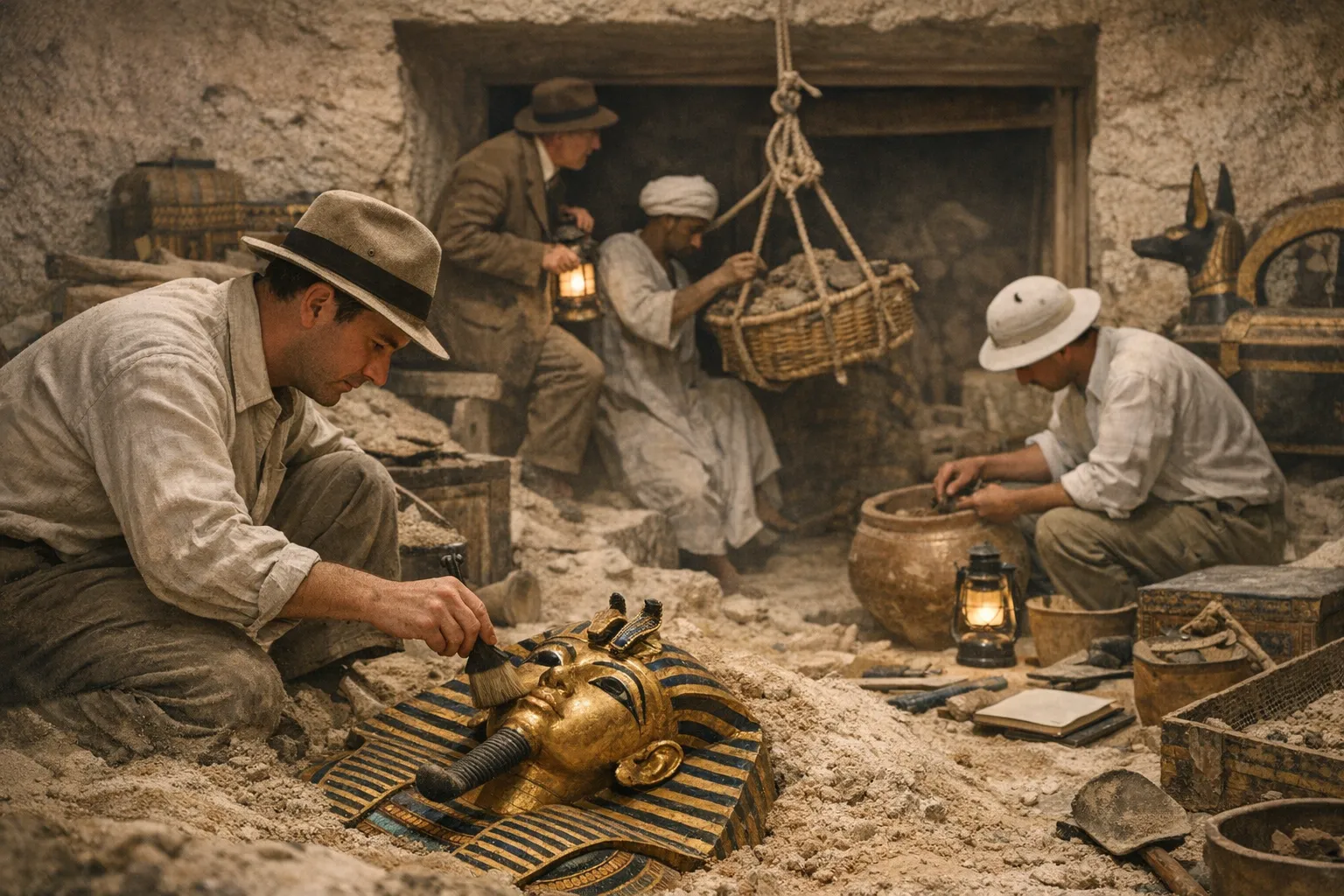
In this exploration, we'll delve into the archaeological methods employed during the excavation and the broader historical context that shaped this monumental find. From the detailed documentation practices that set new standards in archaeology to the cultural impact of the artifacts unearthed, we will uncover how this discovery continues to resonate in both academic circles and popular culture today.
The Historical Context of Tutankhamun's Tomb
Tutankhamun, often referred to as King Tut, ruled during the 18th Dynasty of ancient Egypt, a period marked by remarkable cultural and political developments. His reign, approximately from 1332 to 1323 BCE, came during a time when Egypt was at the height of its power, known for its wealth, monumental architecture, and artistic achievements.
Royal tombs held immense significance in ancient Egyptian culture, serving not only as final resting places but also as gateways to the afterlife. These elaborate structures were designed to ensure that the deceased would transition successfully into the next world, equipped with the necessities for eternity. Tombs were filled with various artifacts, including jewelry, furniture, and even chariots, reflecting the deceased's status and beliefs.
The Valley of the Kings, where Tutankhamun's tomb (KV62) was discovered, was specifically chosen for its seclusion. This site was a royal burial ground that housed many pharaohs, providing a stark contrast to the more commonly looted tombs of earlier periods. The discovery of Tutankhamun's tomb was particularly significant because it remained largely intact, offering unprecedented insights into ancient Egyptian funerary practices and craftsmanship.
"Finding Tutankhamun's tomb was like opening a time capsule, revealing the splendor of a civilization long forgotten."
This context reveals how Tutankhamun's tomb discovery not only illuminated the past but also sparked a renewed interest in ancient Egypt, influencing art and culture worldwide. The meticulous documentation of the excavation, preserved in the Griffith Institute Archive, ensures that the legacy of this monumental find continues to inform and inspire future generations.
The Discovery: A Timeline of Events
The discovery of Tutankhamun's tomb is a pivotal moment in archaeological history. It began on November 4, 1922, when British archaeologist Howard Carter and his team uncovered the first step of a staircase in Egypt's Valley of the Kings. This initial finding marked the beginning of an extraordinary journey into the past.
Key Events:
-
November 4, 1922: Carter discovered the staircase leading to the tomb, designated KV62. This tomb was notable for being largely intact, containing over 5,000 artifacts, including the iconic gold funerary mask.
-
Excavation Process: The excavation was meticulous, characterized by detailed documentation and photography. Carter's methods set new standards in archaeology, as he carefully recorded every aspect of the excavation. This documentation is preserved in the Griffith Institute Archive, offering invaluable insights into the tomb's contents and Carter's techniques.
-
Significance of KV62: Unlike most royal tombs that had been looted over the centuries, Tutankhamun's tomb provided a near-complete glimpse into ancient Egyptian burial practices. The artifacts unearthed not only illustrated the wealth and artistry of the time but also sparked a global fascination with ancient Egypt.
The discovery was not just an archaeological triumph; it ignited a media frenzy and popularized ancient Egyptian designs in Western culture. The excitement surrounding the tomb also gave rise to theories like the infamous 'mummy's curse,' particularly following the untimely death of Lord Carnarvon, the expedition's financier.
For a deeper dive into this monumental discovery, you can explore resources from National Geographic, the Griffith Institute Archive, and the British Museum.
Archaeological Methods Used by Howard Carter
Howard Carter's discovery of Tutankhamun's tomb in November 1922 marked a pivotal moment in archaeology, not just for its astonishing findings but also for the methods employed during the excavation. Carter's meticulous approach set new standards in the field, emphasizing documentation, photography, and the use of contemporary tools.
Carter carefully documented every aspect of the excavation. Each artifact was recorded in detail, ensuring that the context of its discovery was preserved. This rigorous documentation was later deposited in the Griffith Institute Archive, providing invaluable insights into the tomb's contents and the archaeological process itself.
Key Techniques Employed by Carter:
- Photography: Carter utilized early photographic techniques to capture the condition and context of the artifacts, which played a crucial role in later analysis.
- Systematic Excavation: Instead of hastily digging, Carter's team methodically removed layers of debris, ensuring the integrity of the site remained intact. This approach was particularly important as the tomb was concealed under debris from the nearby tomb of Ramses VI.
- Use of Modern Tools: Compared to previous excavations that often relied on rudimentary methods, Carter employed tools that were advanced for his time, allowing for more precise work.
In contrast to earlier archaeological endeavors, which often resulted in hastily dug sites and poorly documented findings, Carter's meticulous methods ensured that Tutankhamun's tomb was one of the few royal burials found largely intact. This careful excavation provided unprecedented insights into ancient Egyptian funerary practices, art, and craftsmanship, captivating the world and igniting a surge in interest in Egyptology.
For further exploration of this groundbreaking discovery, you can visit resources like National Geographic on Tutankhamun or the Griffith Institute Archive.
The Artifacts: A Glimpse into Ancient Egyptian Life
The discovery of Tutankhamun's tomb in November 1922 unveiled over 5,000 artifacts, offering an extraordinary window into ancient Egyptian life. Among these, the gold funerary mask stands out as a symbol of opulence and craftsmanship. This mask, made of gold and inlaid with precious stones, was designed to ensure the young pharaoh's safe passage to the afterlife, reflecting the importance of funerary practices in ancient Egyptian culture.
Key Artifacts and Their Significance
- Gold Funerary Mask: This iconic artifact not only represents the wealth of the pharaoh but also showcases the artistry of ancient Egyptians, blending beauty with spiritual symbolism.
- Chariots: Found within the tomb, these vehicles underscore the significance of mobility in the afterlife, suggesting that Tutankhamun would retain his status and power beyond death.
- Furniture and Household Goods: Items like beds and dishes provide insights into daily life and social customs, revealing the luxuries enjoyed by the elite.
Funerary Practices
Ancient Egyptian funerary practices were steeped in rituals aimed at securing immortality. The inclusion of various goods, from clothing to food, indicated a belief that these items would be needed in the afterlife. The burial process itself was complex, involving mummification and the careful placement of artifacts to accompany the deceased.
Cultural Impact
The artifacts from Tutankhamun's tomb have reshaped our understanding of ancient Egyptian culture, revealing not only artistic achievements but also social structures and religious beliefs. The near-intact nature of the tomb, a rarity among royal burials, has provided unprecedented insights into the era.
The global fascination ignited by the discovery led to a surge in Egyptology, influencing art, design, and popular culture, as evidenced by the widespread adoption of Egyptian motifs in Western fashion and architecture. For further exploration, check out resources from National Geographic and the British Museum.
The Media Frenzy and Public Fascination
The discovery of Tutankhamun's tomb in 1922 ignited a media frenzy that transformed public interest in ancient Egypt. Newspapers and magazines quickly picked up the story, showcasing not just the artifacts but also the drama surrounding the excavation. Howard Carter’s meticulous methods and the near-intact nature of the tomb (KV62) captivated audiences worldwide.
- Media Role: Reporters documented every step of the excavation, generating sensational headlines that fueled curiosity. This coverage was pivotal in making Egyptology accessible and appealing to the general public.
- Impact on Egyptology: The excitement around the tomb led to a surge in Egyptology studies. Universities began offering specialized courses, and the field saw a significant increase in funding and interest from both scholars and amateur enthusiasts.
- Cultural Shifts: The artifacts, including the iconic gold funerary mask, inspired a revival of ancient Egyptian aesthetics in Western design. Art, fashion, and architecture began incorporating motifs reminiscent of ancient Egypt, reflecting a cultural shift towards this long-lost civilization.
Additionally, the discovery popularized the notion of a "mummy's curse," particularly after the unexpected death of Lord Carnarvon, the expedition's financier. This narrative only added to public fascination, intertwining the allure of ancient history with elements of mystery and superstition.
The lasting impact of Tutankhamun's tomb discovery is evident not just in academia but also in popular culture, where it continues to inspire films, literature, and exhibitions worldwide. For further exploration, resources like the National Geographic and the Griffith Institute Archive provide deeper insights into this extraordinary archaeological milestone.
The Curse of the Mummy: Myth vs. Reality
The discovery of Tutankhamun's tomb ignited a media frenzy, bringing to light not only ancient treasures but also the ominous notion of a "mummy's curse." This idea originated primarily from the sudden death of Lord Carnarvon, the expedition's financier, just months after the tomb was unveiled in November 1922.
Origins of the 'Mummy's Curse' Theory
The curse was popularized by sensationalist journalism, which suggested that disturbing the tomb of the young pharaoh unleashed a deadly curse on those involved in its excavation. The narrative gained traction as various individuals associated with the discovery faced misfortune or untimely deaths.
Notable Deaths and Incidents
- Lord Carnarvon: Died from an infected mosquito bite, leading to speculation about the curse.
- George Jay Gould: A visitor to the tomb who died shortly after, further fueling rumors.
- Others: Several members of the expedition experienced health issues, which were quickly linked to the supposed curse.
Debunking the Myths with Historical Context
While the stories surrounding the curse are captivating, they lack substantial evidence. Historical analysis shows that many individuals involved lived long and fruitful lives. For instance, Howard Carter, the lead archaeologist, lived until 1939, contradicting the curse narrative.
Moreover, the meticulous excavation methods employed by Carter and his team, including comprehensive documentation and photography, were groundbreaking. These practices, preserved in the Griffith Institute Archive, provide a detailed record of the excavation process, countering the idea of a supernatural consequence for their work.
The fascination with the curse, while rooted in tragedy, overshadows the true significance of the discovery: an unparalleled glimpse into ancient Egyptian culture and practices, as highlighted by the treasures unearthed, including the iconic gold funerary mask.
In essence, the "mummy's curse" serves more as a cultural phenomenon than a factual account, reflecting society's intrigue with the mysteries of the past rather than the reality of archaeological endeavors. For further insights, explore resources from National Geographic and the Griffith Institute Archive.
The Legacy of Tutankhamun's Tomb
The discovery of Tutankhamun's tomb in 1922 by Howard Carter not only transformed our understanding of ancient Egypt but also significantly impacted the field of archaeology itself. Carter's meticulous excavation methods set a new benchmark for archaeological practices. He emphasized detailed documentation and photography, ensuring that findings were recorded comprehensively. This approach has influenced countless excavations since, prioritizing accuracy and preservation.
The tomb, designated KV62, remained largely intact and contained over 5,000 artifacts, including the iconic gold funerary mask. This unprecedented find has perpetuated a lasting fascination with Tutankhamun and ancient Egyptian culture. The artifacts provided valuable insights into royal funerary practices, art, and craftsmanship, making the discovery essential for both scholars and enthusiasts alike.
Exhibitions featuring these artifacts have played a pivotal role in education and tourism. Major institutions like the British Museum and the Met have hosted exhibitions that attract millions of visitors, showcasing the richness of ancient Egyptian culture. Not only do these exhibitions educate the public, but they also spark interest in Egyptology, contributing to a resurgence of academic studies in the field.
Moreover, the discovery led to a media frenzy that popularized ancient Egyptian-inspired designs in Western culture. The narrative of the "mummy's curse," particularly following the untimely death of Lord Carnarvon, added an intriguing layer to the tomb's legacy. This mixture of fascination, scholarly pursuit, and cultural impact ensures that Tutankhamun's tomb discovery remains a cornerstone of both archaeology and popular culture.
Challenges and Pitfalls in Archaeological Excavation
The excavation of Tutankhamun's tomb in the Valley of the Kings was fraught with numerous challenges that tested the resilience and ingenuity of Howard Carter and his team.
Environmental Challenges
- Harsh Climate: The Valley of the Kings experiences extreme temperatures and sandstorms, making excavation work physically demanding and potentially damaging to sensitive artifacts.
- Concealment of the Tomb: The tomb's entrance was hidden under debris from the nearby tomb of Ramses VI, complicating initial access and requiring careful clearing procedures to avoid damaging the fragile surrounding structures.
Political and Funding Issues
- Political Climate: The early 20th century was a tumultuous time in Egypt, with issues of national sovereignty affecting foreign archaeological expeditions. Carter had to navigate complicated relations with the Egyptian authorities.
- Funding Shortages: The excavation faced financial hurdles, especially after the initial excitement waned. Securing adequate funding was crucial for continuing the meticulous work required to document and preserve the tomb's treasures.
Ethical Considerations
- Cultural Sensitivity: The excavation sparked debates about the ethics of removing artifacts from their original context. Carter and his team had to grapple with the implications of their work on Egyptian heritage.
- Artifact Preservation: The need to balance excavation with the preservation of artifacts was paramount. Carter's approach involved detailed documentation and photography, setting a new standard for ethical archaeological practices.
These challenges not only shaped the excavation process but also highlighted the complexities of archaeological work, setting the stage for the profound impact of the tomb's discovery on both academia and popular culture. For a deeper dive into the excavation methods and historical significance, visit the Griffith Institute Archive.
FAQs About the Discovery of Tutankhamun's Tomb
The discovery of Tutankhamun's tomb in November 1922 by Howard Carter is filled with intriguing details that continue to fascinate historians and the public alike. Here are some common questions regarding this monumental archaeological event.
What made Tutankhamun's tomb unique?
Tutankhamun's tomb, designated KV62, is notable for being one of the few royal tombs discovered largely intact. Most royal tombs had been looted in antiquity, making this find particularly significant. It contained over 5,000 artifacts, including the iconic gold funerary mask, which provided a wealth of information about ancient Egyptian burial practices and craftsmanship.
How were the artifacts preserved?
Carter's meticulous excavation methods ensured the preservation of the artifacts. The tomb's entrance was concealed under debris, which helped shield it from robbers. Detailed documentation and photography were integral to the excavation process, with records deposited in the Griffith Institute Archive. This documentation allows modern scholars to study and understand the context of the artifacts in a comprehensive manner.
What is the significance of the tomb's location?
The tomb is located in Egypt's Valley of the Kings, a site chosen for its proximity to the royal necropolis. This location was strategically important for both religious and security reasons. The discovery sparked global fascination with ancient Egypt, igniting a surge in Egyptology studies and public interest in the cultural heritage of the region. The tomb's artifacts have since been displayed in museums worldwide, offering invaluable insights into ancient Egyptian culture.
For more detailed insights, check out resources like National Geographic and the Griffith Institute Archive.
Conclusion: The Enduring Impact of a Historic Discovery
The discovery of Tutankhamun's tomb in November 1922 by Howard Carter marked a pivotal moment in archaeology and Egyptology. Carter's meticulous excavation methods, which included detailed documentation and photography, established new standards for archaeological practice. The extensive records, now preserved in the Griffith Institute Archive, provide invaluable insights into the tomb's contents and excavation process.
This find revealed over 5,000 artifacts, including the iconic gold funerary mask and intricately designed chariots. The tomb, designated KV62, was notably intact compared to other royal tombs that had been ravaged by looters, offering a rare glimpse into ancient Egyptian royal funerary practices, art, and craftsmanship.
Culturally, the tomb's discovery ignited a global fascination with ancient Egypt, leading to a surge in Egyptology studies and a renewed interest in Egyptian artifacts. It also popularized themes in Western culture, including Egyptian-inspired designs and the infamous "mummy's curse" narrative, particularly after the untimely death of Lord Carnarvon, the expedition's financier.
Looking ahead, future research and exploration in the Valley of the Kings promise to deepen our understanding of ancient Egypt. As archaeologists continue to employ advanced technologies and methodologies, the legacy of Tutankhamun's tomb will undoubtedly inspire new discoveries and interpretations of this extraordinary civilization. For more on this topic, you can explore resources from National Geographic and the British Museum.