
The World Baseball Classic (WBC) has emerged as a transformative force in the realm of sports, reshaping how baseball is perceived and enjoyed around the globe. With each tournament, it not only showcases athletic prowess but also fosters international camaraderie, allowing fans and players alike to celebrate their love for the game across borders.
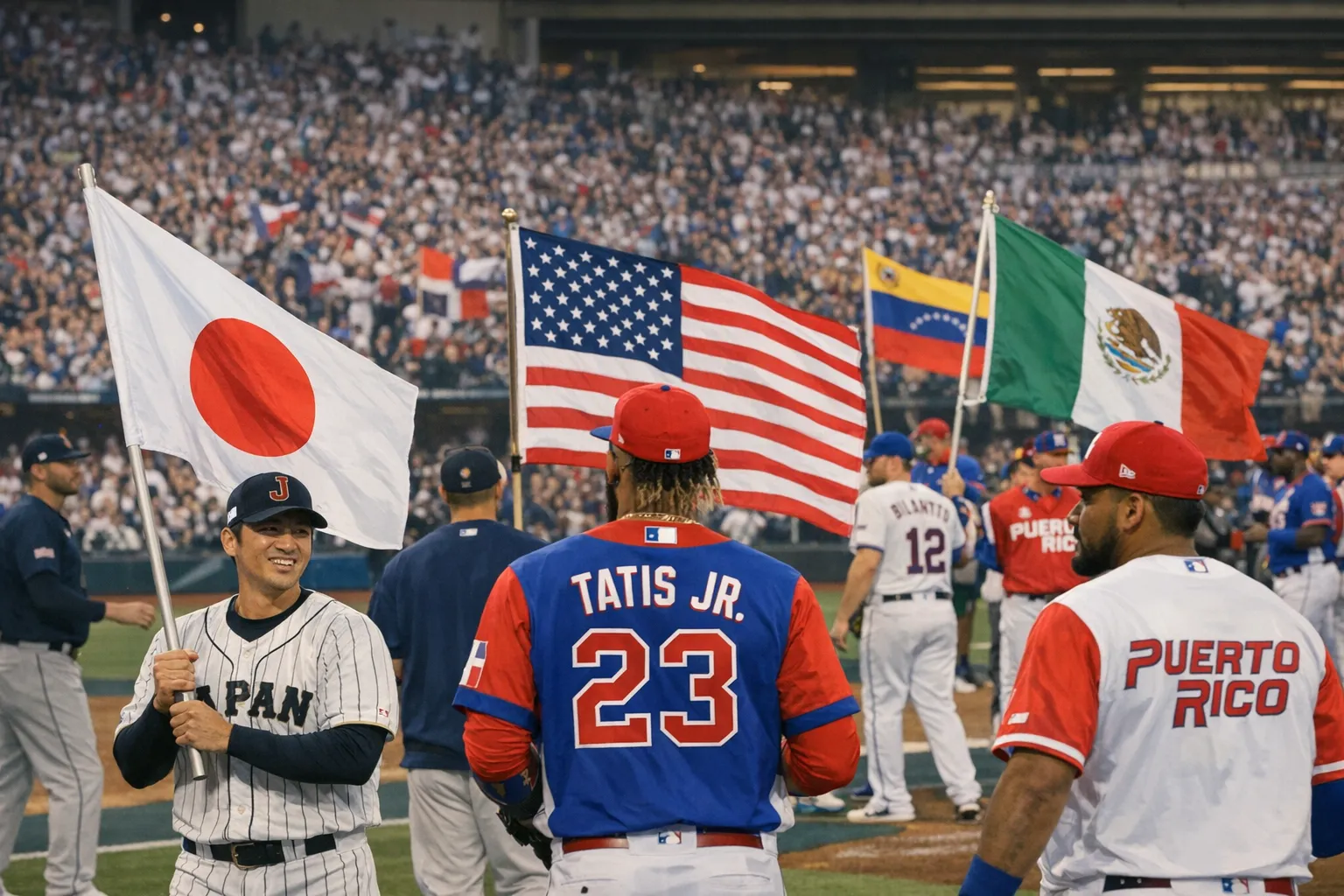
In this analysis, we’ll delve into the WBC's remarkable ability to expand baseball’s reach, highlighting its cultural significance. From record viewership numbers to the unifying experiences shared by players from diverse backgrounds, the World Baseball Classic stands as a testament to baseball's growing global influence. By exploring these facets, we’ll uncover how the WBC is not just a sporting event but a cultural phenomenon that enhances the sport's appeal worldwide.
Introduction to the World Baseball Classic
The World Baseball Classic (WBC) is a premier international baseball tournament that showcases the sport's global appeal. Established in 2006, the WBC aims to bring together the best national teams from around the world, creating a platform for cultural exchange and competition. Over the years, it has transformed from a niche event into a significant cultural phenomenon, uniting fans and players alike.
Tournament Structure
The WBC features a multi-stage format, starting with a qualification round followed by pool play, quarterfinals, semifinals, and ultimately the championship game. In the latest iteration, the 2026 WBC included 20 teams competing across four host cities: Miami, Houston, San Juan, and Tokyo. This structure not only enhances the competitive spirit but also promotes local engagement.
Global Promotion of Baseball
The impact of the WBC extends far beyond the diamond. For instance, the 2023 tournament was broadcast in 163 territories, reaching nearly 100 million viewers in Japan alone. Such numbers illustrate the WBC's role in popularizing baseball, especially in countries like China, the Czech Republic, and Pakistan, where the sport traditionally had limited exposure.
"The World Baseball Classic is to baseball what the Olympics is to sports—a celebration of unity, skill, and cultural pride."
By fostering international camaraderie among players from diverse backgrounds, the WBC reshapes perceptions of global relations. As fans cheer for their national teams, they also celebrate the shared love of baseball, making the WBC a vital event in promoting the sport on a global scale.
Global Viewership and Media Reach
The World Baseball Classic (WBC) has emerged as a pivotal event in promoting baseball on a global scale. In 2023, it was broadcast across 163 territories, with coverage provided in 13 languages through 63 media partners. This expansive reach underscores the WBC's role in making baseball accessible and appealing to diverse audiences.
Japan's engagement with the tournament is particularly noteworthy. The 2023 WBC attracted nearly 100 million viewers in Japan, with over 55 million tuning in for the final game, where Shohei Ohtani's performance became a historic moment. The championship match between Japan and Korea alone recorded close to 63 million viewers, outpacing even notable events like the 1980 World Series.
When placed alongside other major sporting events, the WBC's viewership statistics are impressive:
- The semifinal clash between Mexico and Japan drew an average of 29 million viewers just in those two countries, surpassing the viewership of the 2023 World Series.
- The global audience for the WBC reflects a growing interest in baseball in countries that have historically been less involved in the sport, such as China, the Czech Republic, and Pakistan.
This surge in viewership not only highlights the WBC's immediate impact but also points to its potential for fostering international camaraderie and reshaping perceptions of the sport worldwide. The event serves as a bridge, bringing together players and fans from different backgrounds and promoting a shared love for baseball.
Cultural Exchange and International Camaraderie
The World Baseball Classic (WBC) serves as a powerful platform for cultural exchange and camaraderie among players from diverse backgrounds. Each tournament brings together athletes from various nations, allowing them to share experiences that transcend borders.
-
Shared Experiences: Players often find themselves in the same dugouts, collaborating towards a common goal. This interaction fosters friendships that can last a lifetime, as they learn from each other’s playing styles and cultural perspectives. For instance, during the 2023 tournament, players from teams like Japan and the Czech Republic not only competed but also celebrated their unique traditions, creating a tapestry of shared culture.
-
Impact on International Relations: The WBC promotes goodwill among nations, reshaping perceptions and relationships. Baseball, often viewed as an American pastime, has become a bridge for diplomacy. For example, the 2023 championship game saw Japan and Korea face off, drawing nearly 63 million viewers. Such events can soften national tensions and encourage collaboration in sport and beyond.
-
Friendships Formed: Many players develop lasting friendships during the tournament. Anecdotes of players exchanging jerseys or celebrating together after games highlight the spirit of the WBC. This camaraderie extends beyond the field; for example, Shohei Ohtani and fellow MLB stars often speak of their respect for players from other countries, showcasing how sports can unite individuals across cultural divides.
The WBC not only elevates baseball's global profile but also exemplifies how sports can foster understanding and friendship among nations. It’s a testament to the unifying power of athletic competition.
Impact on Baseball in Emerging Nations
The World Baseball Classic (WBC) plays a crucial role in expanding baseball's footprint, particularly in nations where the sport has historically been less prominent. Countries like China and Pakistan are experiencing a surge in participation and investment, driven by the visibility and excitement generated by the tournament.
Increased Participation
- China: The WBC has sparked interest in baseball among youth in China, leading to the establishment of local leagues and schools focusing on the sport. This grassroots movement is crucial for nurturing future talent.
- Pakistan: Similarly, baseball's profile is rising in Pakistan. Initiatives aimed at introducing the sport in schools have begun, encouraging more young athletes to take up baseball.
Investment in Youth Programs
The visibility of the WBC has prompted governments and organizations to invest in youth baseball programs. These investments are essential for developing infrastructure, training coaches, and creating opportunities for aspiring players. For example:
- Czech Republic: The country has seen an increase in funding for baseball academies, which are essential for training young players and improving the overall standard of the sport.
- Latin America: Nations like Venezuela and the Dominican Republic have long been baseball hotbeds, and the WBC amplifies their commitment to youth programs, ensuring that the next generation continues to thrive.
Case Studies of Emerging Baseball Nations
The success stories emerging from the WBC illustrate its cultural impact:
- Czech Republic: The team’s participation in the WBC not only raised national pride but also led to increased media coverage and sponsorship opportunities, enhancing local leagues.
- Pakistan: Despite historical challenges, the recent participation in the WBC has galvanized interest among local communities, leading to grassroots initiatives aimed at promoting the sport in schools.
In summary, the World Baseball Classic is not just a tournament; it's a catalyst for growth in emerging baseball nations, fostering a new generation of players and expanding the sport's global reach.
The Role of Major League Baseball (MLB)
Major League Baseball (MLB) plays a pivotal role in the success and global outreach of the World Baseball Classic (WBC). The participation of MLB players not only elevates the competition but also enhances the tournament's visibility. For instance, the 2026 WBC featured nearly 190 players from MLB rosters, showcasing top talent that draws fans both domestically and internationally.
MLB's Asia growth strategy significantly influences the tournament's impact. By fostering baseball in Asian markets, MLB has tapped into a vast audience. The 2023 WBC saw staggering viewership numbers in Japan, with nearly 100 million viewers, including over 55 million for the final game. This kind of engagement indicates that MLB’s efforts to promote the sport in Asia are bearing fruit and are crucial for the WBC's continued success.
Collaboration between MLB and international baseball organizations further strengthens the tournament. These partnerships facilitate resource sharing, marketing strategies, and youth development programs in countries with less historical involvement in baseball, such as China, the Czech Republic, and Pakistan. As a result, the WBC not only showcases elite talent but also fosters international camaraderie and promotes the sport at grassroots levels.
In summary, MLB's involvement in the World Baseball Classic is integral to expanding baseball's reach, enhancing its cultural significance, and fostering a global community around the sport.
Memorable Moments and Historic Games
The World Baseball Classic (WBC) has produced a plethora of unforgettable moments that have shaped its legacy and significantly contributed to baseball's global appeal. Among these highlights, two stand out prominently.
In 2026, Venezuela achieved a historic milestone by winning its first WBC title. The championship game against the United States was a tense affair, culminating in a dramatic 3-2 victory. Eugenio Suárez's clutch ninth-inning double secured the win, etching this moment into the annals of baseball history. This victory not only sparked national pride in Venezuela but also illustrated the tournament's role in promoting baseball beyond traditional powerhouses.
Another defining moment occurred during the 2023 final when Shohei Ohtani faced Mike Trout, two of Major League Baseball's biggest stars. With nearly 100 million viewers tuning in from Japan alone, this matchup captured the world's attention. Ohtani's strikeout of Trout solidified Japan's championship win and highlighted the growing popularity of baseball in various nations.
Additionally, the record viewership for key games during the WBC emphasizes its cultural significance. The 2023 semifinal between Mexico and Japan attracted an estimated 29 million viewers in just those two countries, surpassing the viewership of the 2023 World Series. Such numbers reflect how the WBC has transcended boundaries, fostering a sense of global camaraderie among fans and players alike.
These memorable moments not only showcase the thrilling nature of the tournament but also underline its impact in expanding baseball's reach and cultural relevance worldwide.
Economic Impact of the WBC
The World Baseball Classic (WBC) serves as a catalyst for economic growth in host countries, creating a ripple effect that benefits local communities long after the final game is played.
One of the most immediate benefits is the surge in ticket sales and tourism. With the 2026 WBC featuring venues in cities like Miami, Houston, San Juan, and Tokyo, local businesses experience a boom. Fans flock to these cities, filling hotels, restaurants, and shops. For instance, the 2023 tournament saw a significant increase in ticket sales compared to previous years, reflecting heightened interest and attendance.
Key Economic Benefits:
- Increased Ticket Sales: Each tournament attracts passionate fans, resulting in record-breaking ticket sales.
- Tourism Surge: Visitors from around the globe contribute to the economy by spending on accommodations, dining, and entertainment.
- Host City Revitalization: Cities benefit from the influx of visitors, leading to temporary jobs and increased revenue for local businesses.
Additionally, the WBC has lasting impacts on local baseball communities. By spotlighting the sport on an international stage, it encourages youth participation and investment in baseball infrastructure. Countries with less historical involvement, like China and the Czech Republic, have seen a rise in local leagues and training programs as a direct result of their participation in the WBC.
Overall, the economic implications of hosting the WBC are profound, driving not just immediate financial benefits but also fostering a long-term love for baseball that enriches communities worldwide.
Challenges and Criticisms of the WBC
Despite its success, the World Baseball Classic (WBC) faces several challenges and criticisms that impact its reputation and operational efficiency.
-
Concerns About Player Injuries: Many MLB teams express worry about their star players participating in the WBC, fearing injuries that could jeopardize their seasons. Notable players have opted out in previous tournaments, citing the risk of injury as a primary reason. This concern often leads to a reduced number of top-tier athletes, which can dilute the competitive nature of the tournament.
-
Scheduling Conflicts with MLB Season: The timing of the WBC often overlaps with MLB’s spring training, creating tension between the league and national team commitments. Teams are concerned about players returning to their rosters in less-than-optimal condition, impacting their performance early in the MLB season. This scheduling dilemma raises questions about the viability of holding the tournament every four years without disrupting league play.
-
Debates Over the Tournament Format: The format of the WBC has been a point of contention among fans and players alike. Some argue that the current structure does not adequately represent the diversity of baseball globally, favoring certain regions over others. Discussions about potential changes to the format aim to enhance competitiveness while ensuring that all nations have a fair chance to showcase their talent.
These challenges highlight the need for ongoing dialogue among stakeholders to balance the tournament's growth with the interests of professional leagues and players.
Future of the World Baseball Classic
The World Baseball Classic (WBC) is poised for exciting developments as it heads into its next iteration in 2026. Set to take place from March 5 to 17, the tournament will feature 20 national teams competing in four vibrant host cities: Miami, Houston, San Juan, and Tokyo. This expansion reflects a growing enthusiasm for baseball beyond traditional strongholds.
Plans for the 2026 Tournament
- Increased Participation: The 2026 WBC will include 20 teams, a notable increase from previous tournaments, allowing for a broader representation of countries.
- Diverse Locations: By hosting games in major cities across North America and Asia, the WBC aims to tap into diverse fan bases and facilitate easier access for international audiences.
Potential Expansion to More Countries
As baseball continues to gain traction globally, the WBC may expand its reach further:
- Emerging Markets: Countries like China, the Czech Republic, and Pakistan, which have shown increasing interest in the sport, could see enhanced participation in future tournaments.
- Youth Programs: Investment in youth baseball initiatives in these regions will likely drive participation, setting the stage for more competitive national teams.
Long-Term Vision for Global Baseball Growth
The WBC's influence goes beyond just the games:
- Cultural Exchange: The tournament has fostered camaraderie among players from diverse backgrounds, reshaping international relations through shared experiences on the field.
- Increased Viewership: With the 2023 tournament reaching nearly 100 million viewers in Japan alone, the potential for viewership growth remains significant, particularly in countries where baseball is still developing.
As the WBC evolves, it holds the promise of not just promoting baseball but also enriching cultural ties across nations. The future looks bright for the World Baseball Classic as it continues to expand baseball's global footprint.
Conclusion: The Lasting Legacy of the WBC
The World Baseball Classic (WBC) has achieved remarkable milestones that underscore its cultural significance in promoting baseball globally. The 2023 tournament alone was broadcast in 163 territories and attracted nearly 100 million viewers in Japan, with over 55 million watching the thrilling final game. Such viewership not only highlights baseball's popularity but also its potential to unite diverse audiences across the globe.
Continued support for international baseball is crucial. The WBC has been instrumental in fostering camaraderie among players from various backgrounds, reshaping perceptions and building friendships that extend beyond the diamond. Countries with less historical involvement in baseball, such as China and the Czech Republic, have seen increased participation and investment in youth programs thanks to the tournament's influence.
Looking ahead, the future of baseball appears bright. The 2026 WBC promises to build on this momentum, featuring 20 national teams and bringing together nearly 190 MLB players. As interest in the sport continues to grow, the WBC stands as a beacon for aspiring players and fans alike, encouraging a more inclusive and vibrant global baseball community.
In summary, the WBC's lasting legacy is not just in its viewership numbers but in its ability to connect people and cultures through the love of baseball. As we anticipate future tournaments, it's clear that the WBC will play a pivotal role in shaping the sport's international narrative.