
Leonardo da Vinci's 'Mona Lisa' is not just a portrait; it's a masterclass in artistic technique. From the enigmatic smile to the atmospheric background, every brushstroke reveals the genius of its creator. This analysis will delve into the specific techniques that make the 'Mona Lisa' an enduring icon of art.
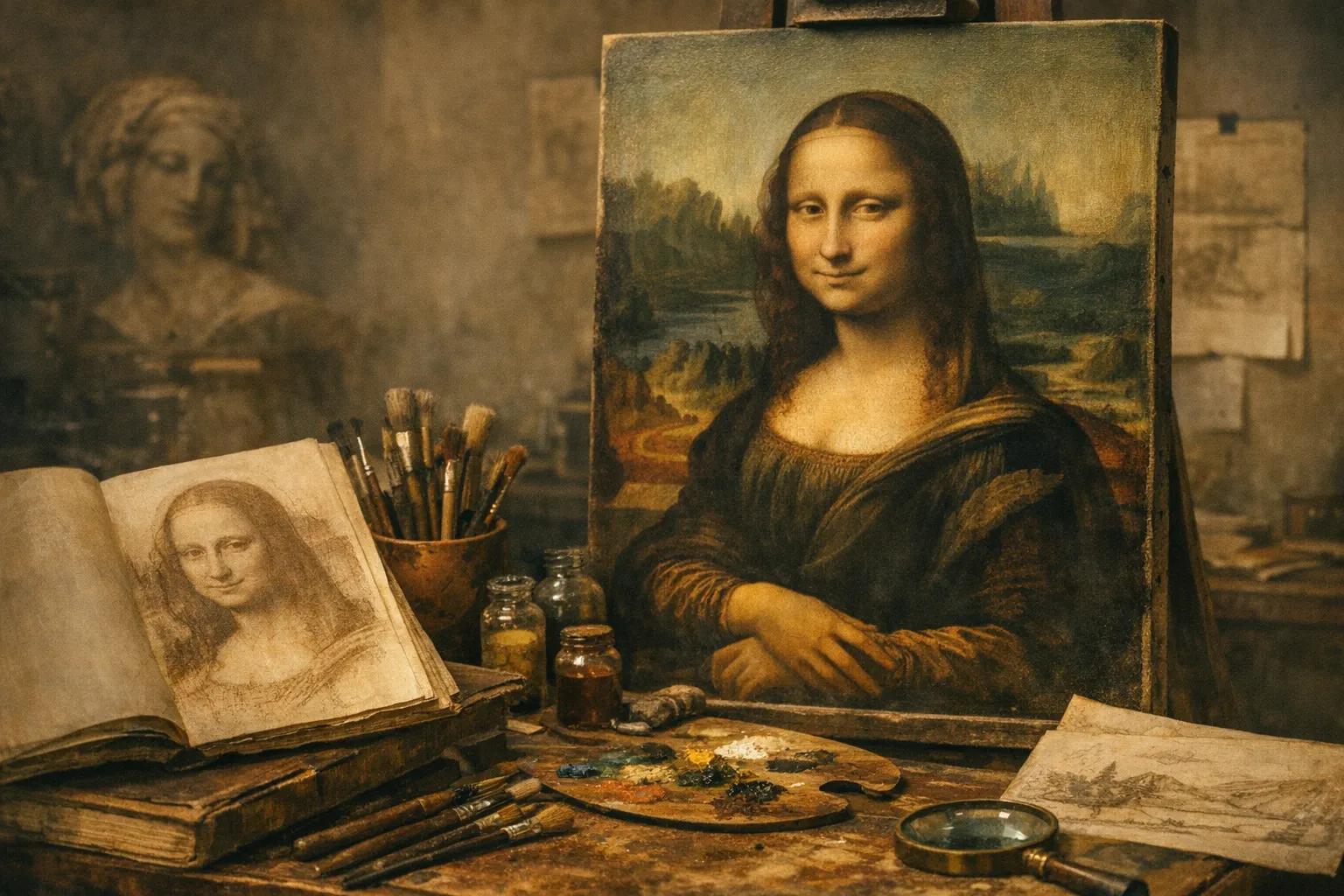
In this exploration, readers will learn about the sfumato technique, chiaroscuro, and atmospheric perspective, all of which contribute to the painting's lifelike quality and depth. We'll examine how these methods, along with Leonardo's understanding of human anatomy, create a work that continues to captivate audiences centuries after its completion. Prepare to unravel the secrets behind one of the most celebrated paintings in history.
Introduction to the 'Mona Lisa'
The 'Mona Lisa' stands as one of the most celebrated masterpieces in art history, embodying the peak of Renaissance creativity and technique. Created by Leonardo da Vinci in the early 16th century, this enigmatic portrait has captivated audiences for centuries, not just for its subject but for the innovative methods employed by the artist.
Leonardo began painting the 'Mona Lisa' around 1503, and it is believed he worked on it for several years, refining its details. Initially commissioned by Francesco del Giocondo, the painting gained fame after its acquisition by King Francis I of France. Its journey from a private commission to a global icon illustrates its profound impact on art and culture.
Leonardo da Vinci himself is a towering figure in the art world, known for his relentless curiosity and mastery across various disciplines, including painting, anatomy, and engineering. His innovative techniques in the 'Mona Lisa'—such as sfumato and chiaroscuro—have influenced countless artists and continue to be studied today.
"The 'Mona Lisa' is like a whisper in a crowded room, drawing you in and leaving you pondering its mysteries long after you've left."
As the painting hangs in the Louvre, it remains a testament to Leonardo’s genius, embodying a blend of artistic techniques that contribute to its lasting allure. For those interested in a deeper exploration, consider checking out the history of the Mona Lisa or learn more about Leonardo da Vinci.
Understanding Sfumato
Sfumato is a hallmark of Leonardo da Vinci's artistic repertoire, particularly evident in the 'Mona Lisa.' This technique involves the delicate blending of colors and tones, resulting in soft transitions that eliminate harsh lines. The term itself, derived from the Italian word "sfumare," means "to evaporate like smoke," which aptly describes the ethereal quality it imparts to the painting.
Characteristics of Sfumato
- Soft Edges: Sfumato creates a blurred effect around the contours of the subject, enhancing the overall softness of the composition.
- Subtle Color Gradations: Instead of abrupt changes, colors shift gradually, allowing for nuanced expressions and depth.
- Atmospheric Quality: The technique contributes to a three-dimensional illusion, making the subject appear lifelike and inviting.
Examples in the 'Mona Lisa'
In the 'Mona Lisa,' sfumato is particularly visible around the subject's face and eyes. The transitions from light to shadow on her cheeks and the gentle contouring of her jawline exemplify this technique. The subtle blending around her smile adds to the painting's enigmatic allure, inviting viewers to ponder her expression.
Impact on Realism
The use of sfumato enhances the painting's realism by creating a lifelike quality that draws the viewer in. The soft transitions between light and shadow help to model the subject's features, making them appear more three-dimensional. This approach, combined with Leonardo's detailed study of human anatomy, allows for a portrayal that feels both genuine and complex. The result is a masterpiece that continues to captivate audiences centuries after its creation.
For further exploration of Leonardo da Vinci's techniques, consider visiting Learn more about Leonardo da Vinci or Explore the history of the Mona Lisa.
Chiaroscuro: The Play of Light and Shadow
Chiaroscuro, derived from the Italian words for light (chiaro) and dark (scuro), is a critical technique used by Leonardo da Vinci in the 'Mona Lisa'. This method involves the strategic contrast between light and shadow to create a sense of volume and depth. Its importance is underscored by the way it transforms flat surfaces into lifelike forms, making it a staple in Renaissance art.
In the 'Mona Lisa', chiaroscuro is expertly applied to the subject's face and hands. The gradual transition from light to shadow on her cheeks and forehead enhances her three-dimensionality, allowing viewers to perceive her as a living figure rather than a mere image. This technique is particularly evident in:
- The Face: The soft shadows around the jawline and nose create a subtle modeling effect, giving the impression of a rounded, three-dimensional form.
- The Hands: Similar gradations of light and shadow on her hands contribute to their lifelike quality, making them appear as if they are gently resting in space.
The effects of chiaroscuro significantly influence the viewer's perception of depth. By manipulating light and shadow, Leonardo creates an illusion of space that draws the eye into the painting. The interplay of light enhances the painting's overall realism, inviting viewers to engage with the subject on a more personal level.
This technique not only elevates the 'Mona Lisa' but also exemplifies Leonardo's mastery of oil painting techniques, including glazing and sfumato. Each layer he applied contributed to the luminous quality we admire today. To explore more about Leonardo's innovative methods, check out Learn more about Leonardo da Vinci. For a deeper dive into the 'Mona Lisa', visit Explore the history of the Mona Lisa.
Atmospheric Perspective in the Background
Atmospheric perspective is a crucial technique employed by Leonardo da Vinci in the 'Mona Lisa,' contributing significantly to the painting's sense of depth and realism. This method involves manipulating color and detail to create an illusion of distance; elements in the background appear lighter and less defined than those in the foreground.
In the 'Mona Lisa,' the background features rolling hills and winding paths that fade into a soft blue hue. This gradual transition from detailed to hazy elements effectively enhances the sense of spatial depth. For instance:
- Distant Mountains: The mountains behind the figure are rendered with muted tones, lacking intricate detail. This technique suggests they are far away, drawing the viewer's eye deeper into the scene.
- Foreground vs. Background: The contrast between the sharply defined figure of Mona Lisa and the softer background emphasizes her presence, creating a three-dimensional effect.
The use of atmospheric perspective not only aids in depth perception but also contributes to the overall composition of the painting. It reinforces the pyramidal structure formed by Mona Lisa, adding stability and harmony to the work. The serene landscape encapsulates her, creating a tranquil environment that complements her enigmatic expression.
This technique aligns seamlessly with da Vinci's broader artistic goals, enhancing the viewer's engagement with the subject while inviting contemplation of the interplay between the figure and her surroundings. For further exploration of Leonardo's techniques, you can learn more about Leonardo da Vinci or explore the history of the Mona Lisa.
The Art of Glazing
Glazing is a technique that involves applying thin, transparent layers of paint over a dried layer to modify its color and luminosity. This method allows artists to achieve depth and a smooth transition of colors, enhancing the overall visual effect of a painting. Leonardo da Vinci was a master of this technique, and its application in the 'Mona Lisa' is a prime example of its significance.
In the 'Mona Lisa', Leonardo meticulously layered multiple thin glazes of oil paint. This approach allowed him to create subtle variations in color and shading, resulting in a painting that radiates a luminous quality. The glazing process not only enhanced the color richness but also contributed to the soft transitions characteristic of the sfumato technique, which eliminates harsh lines and creates a more lifelike appearance.
The impact of glazing on the painting's texture and depth is profound. The layers of glaze give the 'Mona Lisa' an ethereal quality, making her skin appear almost translucent. This technique, combined with chiaroscuro, models the three-dimensional aspects of her face and hands, enhancing the painting's realism. Furthermore, the use of atmospheric perspective in the background, achieved through glazing, adds a sense of depth that draws the viewer into the scene.
In summary, Leonardo's glazing technique is crucial to the 'Mona Lisa's' enduring impact. It not only enriches the visual experience but also exemplifies Leonardo's innovative approach to color and light, solidifying the painting's status as a masterpiece.
The Role of Anatomy in Expression
Leonardo da Vinci's meticulous study of human anatomy significantly influenced the expression captured in the 'Mona Lisa.' His commitment to anatomical accuracy is not merely an artistic choice; it enhances the emotional depth of the painting, making the subject's expression resonate with viewers.
-
Importance of Anatomical Accuracy in Art: Leonardo believed that understanding the human form was essential for achieving realism in art. His anatomical studies allowed him to depict muscles and facial structures with precision, lending authenticity to the figures he painted.
-
How Anatomical Studies Informed the Smile: The 'Mona Lisa's' smile is a prime example of Leonardo's anatomical insights. He analyzed the muscles responsible for facial expressions, enabling him to create a smile that appears both complex and genuine. This nuanced portrayal contributes to the painting's enigmatic quality, inviting endless interpretation.
-
The Complexity of the Expression and Its Impact: The interplay of light and shadow, enhanced by the sfumato technique, further elevates the complexity of her expression. This subtle blending creates soft transitions around her mouth and eyes, making the smile feel alive and dynamic. The use of unione—a technique that blends colors without harsh lines—adds to the elusiveness of her expression, allowing it to shift depending on the viewer's perspective.
Leonardo’s dedication to studying human anatomy not only bolstered the realism of the 'Mona Lisa' but also solidified its status as an enduring masterpiece. For more insights into Leonardo's techniques, you can learn more about Leonardo da Vinci or explore the history of the Mona Lisa.
Unione: Blending Without Borders
Unione is a distinctive technique used by Leonardo da Vinci that involves blending colors seamlessly, eliminating visible lines or harsh borders. This method creates smooth transitions that enhance the overall realism of the subject and contribute to the painting's emotional depth.
In the 'Mona Lisa', unione is particularly evident in the soft transitions around the mouth and cheeks. The delicate blending of tones allows for a more lifelike representation of the subject's expression, making her smile both enigmatic and inviting. This subtlety invites viewers to explore the complexities of her emotions, which is a hallmark of da Vinci's mastery.
The effects of unione on the subject's facial features are profound. For example:
- Lips and Cheeks: The transition between the lips and surrounding skin is so fluid that it creates an almost three-dimensional quality.
- Jawline: The soft contouring along the jawline enhances the natural shape of the face without defined edges.
- Eyes: The gentle shading around the eyes contributes to the captivating gaze that seems to follow viewers, adding an element of intrigue.
Overall, unione not only enhances the painting's realism but also plays a critical role in conveying the emotional complexity of the 'Mona Lisa'. For more on da Vinci's techniques, you can learn more about Leonardo da Vinci or explore the history of the Mona Lisa.
Pyramidal Composition for Stability
Pyramidal composition is a classic technique in art that organizes elements within a triangular framework. In the case of the 'Mona Lisa,' Leonardo da Vinci expertly employs this method, positioning the subject's body and face to form a stable triangular shape. This structure not only provides a sense of balance but also directs the viewer's eye toward the focal point of the painting—the enigmatic smile of Lisa Gherardini.
The pyramidal composition contributes significantly to the painting's overall harmony. By establishing a clear focal point, Leonardo enhances the viewer's engagement with the subject. The triangular form creates a sense of order amidst the intricate details and soft transitions characteristic of the sfumato technique. This harmony allows the viewer to appreciate not just the facial features, but also the subtle interplay of light and shadow across the figure.
Other renowned works have utilized similar compositional techniques. For instance, Raphael's 'The Madonna of the Pinks' and Michelangelo's 'The Creation of Adam' both feature strong triangular shapes, providing stability and directing focus within the artwork. These examples underscore the effectiveness of pyramidal composition across different periods and styles, illustrating its timeless appeal.
In essence, the pyramidal composition in the 'Mona Lisa' plays a crucial role in establishing stability and harmony, enhancing the painting's allure and contributing to its status as a masterpiece. For further insights into Leonardo da Vinci's techniques, you can learn more about him or explore the history of the Mona Lisa.
Common Myths vs. Reality
The 'Mona Lisa' has inspired countless myths that often overshadow Leonardo da Vinci's genuine artistic techniques. Addressing these misconceptions is crucial for a deeper understanding of the artwork.
Myths About the Painting's Creation
- Myth of Instant Creation: Many believe the 'Mona Lisa' was painted quickly, but in reality, Leonardo took several years to perfect it.
- Single Technique: Some assume that the painting relies solely on a single technique. However, it integrates multiple methods, including sfumato and chiaroscuro, to achieve its complexity.
Reality of Leonardo's Techniques
- Sfumato: This technique blends colors and tones, creating soft transitions that enhance realism. It allows for delicate shading and the painting’s lifelike quality.
- Chiaroscuro: By contrasting light and dark, Leonardo gives the subject a three-dimensional appearance, making her face and hands appear more lifelike.
- Atmospheric Perspective: The background employs lighter, less detailed tones, adding depth and a sense of distance to the landscape.
- Glazing: Leonardo applied multiple thin layers of oil paint, contributing to the painting's depth and luminosity.
Impact of These Myths on Public Perception
Misconceptions about the 'Mona Lisa' can dilute the appreciation of its artistic intricacies. Many viewers may overlook the detailed techniques that contribute to the painting's enigmatic smile and profound depth. Understanding the reality behind these myths enhances one's experience and appreciation of this masterful artwork. For more insights, explore the history of the Mona Lisa: https://www.louvre.fr/en/explore/the-mona-lisa.
Conclusion: The Enduring Legacy of the 'Mona Lisa'
The techniques employed in Leonardo da Vinci's 'Mona Lisa' not only define the artwork but also cement its status as a timeless masterpiece. Key methods such as sfumato, chiaroscuro, and atmospheric perspective work in concert to create a depth and vibrancy that continues to captivate viewers.
- Sfumato allows for soft transitions between tones, enhancing realism and giving the subject a lifelike presence.
- Chiaroscuro adds a three-dimensional quality to the face and hands, making them appear more lifelike through the interplay of light and shadow.
- Atmospheric perspective contributes to the painting's depth, with distant elements rendered in lighter tones, inviting the viewer into a complex landscape.
The 'Mona Lisa' stands as a testament to Leonardo's skill, showcasing a pyramidal composition that provides stability and harmony. His meticulous layering of thin glazes not only enriches the colors but also adds luminosity, making the painting radiate an almost ethereal quality.
In reflecting on Leonardo's influence, it’s clear that his innovative techniques set the stage for future artists, shaping the course of art history. The enigmatic smile and serene gaze of the 'Mona Lisa' continue to inspire and intrigue, ensuring that this masterpiece remains relevant and revered across generations. For more on Leonardo's remarkable life and the history behind the 'Mona Lisa', explore Leonardo da Vinci and the history of the Mona Lisa.