
As the 2026 World Short Track Speed Skating Championships approach, the competitive landscape is heating up. From March 12 to March 14, 2026, Montreal will host a thrilling showcase of speed, strategy, and athletic prowess. With over 200 athletes representing 38 nations, the stage is set for remarkable performances and intense rivalries.
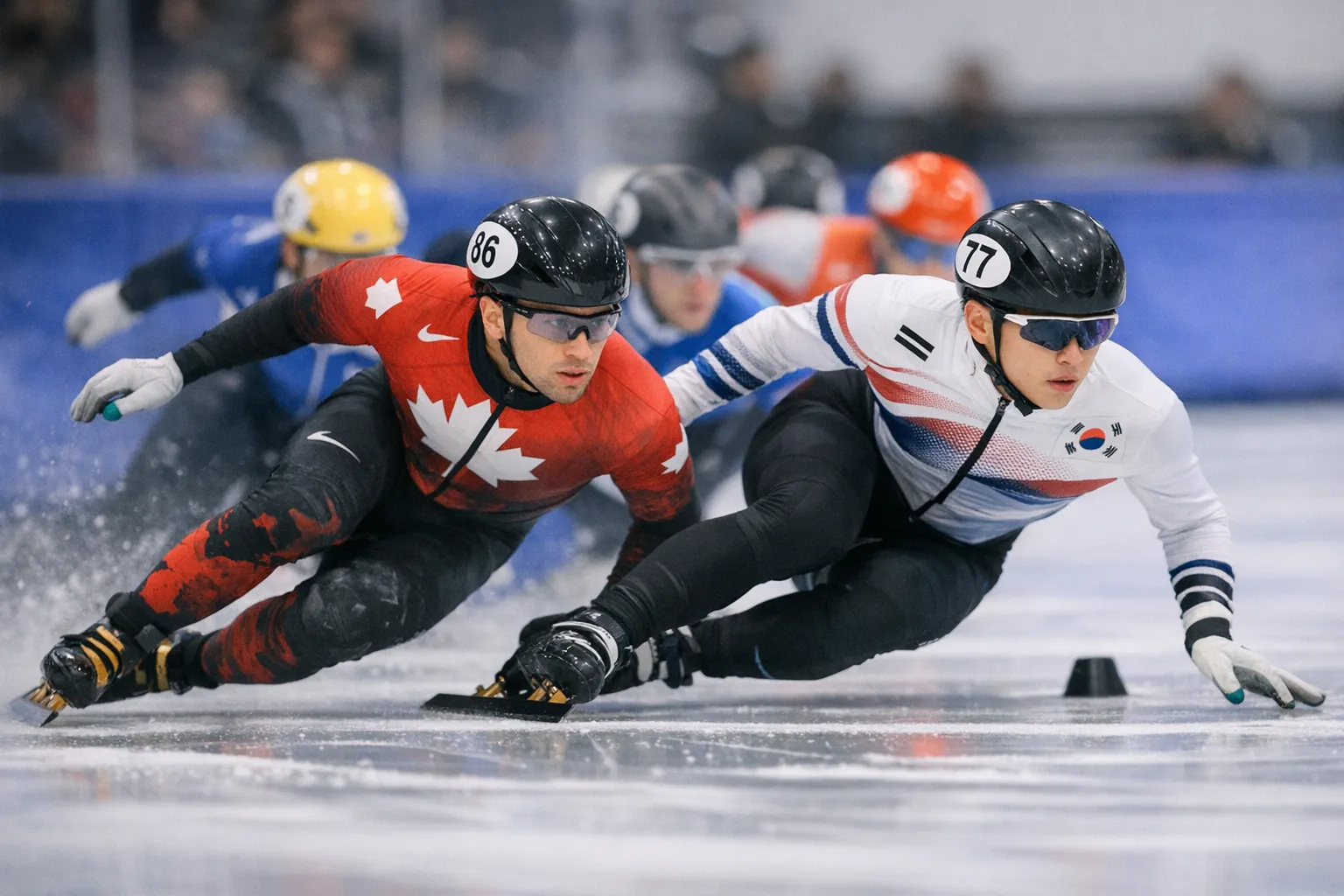
In this analysis, we'll delve into the standout strategies and performances of leading skaters like Canada's William Dandjinou and Steven Dubois, and the Netherlands' Jenning de Boo. We will explore how height, technique, and mental fortitude play crucial roles in their success, and what we can expect from these athletes in the upcoming championships. Prepare to gain insights into the world of short track speed skating, as we analyze the dynamics that will shape this prestigious event.
Overview of the 2026 Championships
The 2026 World Short Track Speed Skating Championships are set to take place from March 12 to March 14, 2026, at the Maurice Richard Arena in Montreal, Canada. This highly anticipated event will showcase the talents of over 200 athletes from 38 nations, making it a truly global competition.
Participants will compete across various events, including individual races for both men and women, team relay events, and a mixed relay. The diversity of competitors promises an exciting atmosphere, with athletes like Canadian star William Dandjinou, known for his impressive 6-foot-3 stature, and the Netherlands' Jenning de Boo, a consistent podium contender, ready to battle for supremacy.
"The championships are like a high-stakes chess game on ice; every move counts, and strategy is as crucial as speed."
With the presence of top performers, including Steven Dubois and Courtney Sarault, the championships will be a stage for remarkable performances and potential upsets. As these elite skaters prepare to vie for medals, fans can expect a thrilling display of skill and determination.
For more information on the event, visit the 2026 World Short Track Speed Skating Championships.
Key Competitors to Watch
As the 2026 World Short Track Speed Skating Championships approach, several athletes stand out as key competitors who could dominate the events. Here's a closer look at some of them:
-
William Dandjinou: This Canadian powerhouse has been a dominant force in the 2025-2026 season, leveraging his height of 6-foot-3 to gain an edge over his competitors. His physical advantage, combined with exceptional technique, has led him to secure his second consecutive individual ISU Crystal Globe. Dandjinou's performance at the upcoming championships will be closely watched, especially as he seeks to add to his impressive medal tally.
-
Steven Dubois: Dandjinou's teammate, Dubois, delivered a perfect performance at the 2024-2025 World Championships, winning gold in the 500m, 1500m, and both men's and mixed relays. His ability to excel in multiple events makes him a formidable contender in Montreal, and fans can expect a fierce competition for the podium.
-
Courtney Sarault: After a remarkable comeback season, Sarault earned silver medals in the 1000m and 1500m events at the last World Championships. Her resilience and speed position her as a top contender, particularly in the women's events. Sarault's journey from injury to elite performance serves as an inspiration and adds to the excitement surrounding her participation.
-
Jenning de Boo: The Netherlands' de Boo is known for his consistency on the podium and versatility across distances. As an Olympic silver medalist in both the 500m and 1000m, he has proven himself as a strong competitor. His explosive power and tactical racing make him a skater to keep an eye on as he vies for top positions against a competitive field.
These athletes represent just a fraction of the talent that will be on display during the championships, which will feature over 200 athletes from 38 nations competing across nine different events, including individual and team races. Expect thrilling performances as these skaters battle for supremacy in Montreal.
Strategies for Success in Short Track Speed Skating
In the high-stakes environment of the 2026 World Short Track Speed Skating Championships, skaters implement a variety of strategies to maximize their performance. Here’s a breakdown of key tactics employed by elite athletes:
-
Explosive Starts and Acceleration: The initial moments of a race can set the tone for the entire event. Athletes like William Dandjinou leverage their explosive power to gain an early lead. Quick starts help skaters establish positioning, making it vital for competitors to practice powerful leg drives and quick foot placements.
-
Tactical Positioning: Positioning is crucial in short track racing. Skaters must navigate their surroundings effectively, often switching lanes to exploit openings. For instance, Steven Dubois demonstrates tactical acumen by anticipating opponents' moves, allowing him to maintain an optimal path throughout the race.
-
Utilizing the Track's Curves: Mastery of the curves can provide a significant advantage. Top competitors, including the Netherlands' Jenning de Boo, are adept at leaning into turns, maintaining speed while minimizing drag. Effective curve navigation allows skaters to conserve energy and prepare for powerful straightaways.
-
Mental Preparation and Focus: The psychological aspect of competition cannot be overlooked. Athletes often engage in mental conditioning practices to enhance focus and reduce anxiety. Courtney Sarault’s comeback success in the previous season underscores the importance of mental resilience, as she effectively managed pressure to secure silver medals.
By employing these strategies, skaters not only enhance their individual performances but also contribute to the overall excitement and competitiveness of the 2026 championships, where over 200 athletes from 38 nations will vie for glory.
Performance Analysis: William Dandjinou
William Dandjinou has emerged as a standout athlete in the lead-up to the 2026 World Short Track Speed Skating Championships, leveraging his height and exceptional training regimen to enhance his performance.
Height Advantage
At 6-foot-3, Dandjinou possesses a significant height advantage in a sport where most competitors average around 5-foot-9. This unique stature allows him to generate more powerful strides, translating into increased speed on the ice. His long legs provide an extended reach, enabling smoother transitions through corners, which is crucial in short track where every millisecond counts.
Training Regimen
Dandjinou's preparation for the championships has been rigorous and multifaceted. He has focused on:
- Strength Training: Incorporating weightlifting to build explosive power.
- Endurance Workouts: Engaging in high-intensity interval training to enhance his stamina.
- Technical Drills: Practicing tight cornering and acceleration techniques to maximize his performance during races.
This comprehensive approach has been pivotal in helping him secure his second consecutive individual ISU Crystal Globe during the 2025-2026 season.
Previous Achievements
Dandjinou's impressive track record as a four-time World Champion, including gold in the 1,000m at the 2024 World Championships, has set a high bar for his performance. His recent achievements serve not only as a confidence booster but also as a strategic foundation for the upcoming championships. Competing alongside teammates like Steven Dubois and Courtney Sarault, who have also seen significant success, creates a competitive yet supportive environment that enhances his readiness.
As the 2026 World Short Track Speed Skating Championships approach, Dandjinou's combination of physical advantages and strategic preparation positions him as a formidable contender on the international stage.
Performance Analysis: Steven Dubois and Courtney Sarault
The 2026 World Short Track Speed Skating Championships in Montreal promise to be a showcase of elite performances, especially from Canadian stars Steven Dubois and Courtney Sarault.
Steven Dubois demonstrated his exceptional skills at the 2024-2025 World Championships, securing a perfect performance by clinching gold in the 500m, 1500m, and both the men's and mixed relays. His ability to maintain speed and precision under pressure will be critical as he competes against a talented field, including his teammate William Dandjinou, who is also in top form.
Courtney Sarault's journey has been equally impressive. After a challenging period, she made a remarkable comeback in the 2024-2025 season, earning silver medals in the 1000m and 1500m events. Her resilience and tactical acumen will be essential as she aims to capitalize on her previous successes and push for gold at the upcoming championships.
Team dynamics will also play a significant role in relay events. Both Dubois and Sarault have shown strong collaborative skills in team settings, which is crucial in a sport where fractions of a second can determine the outcome. Their ability to synchronize with teammates and strategize effectively will be vital in securing podium positions.
As the championships approach, the competitive landscape looks fierce. With standout performances expected from Dubois, Sarault, and other international athletes like the Netherlands' Jenning de Boo, fans can anticipate thrilling races filled with strategic maneuvering and high stakes.
The Role of Team Events in Championships
Team events are a crucial aspect of the 2026 World Short Track Speed Skating Championships, showcasing not only individual talent but also the power of collaboration. The championships will feature three team events and a mixed relay, highlighting the importance of strategy and teamwork in achieving success.
Overview of Team Events
In total, there will be nine competitions at the championships, including:
- Three individual events for men
- Three individual events for women
- Three team events
- A mixed relay
These formats allow skaters to display not just their speed, but also their ability to work cohesively as a unit.
Impact of Teamwork and Strategy in Relay Races
In relay races, the dynamics shift. Athletes must synchronize their movements, communicate effectively, and know when to take risks. The success of a team often hinges on:
- Timing: Perfectly timed exchanges can make or break a race.
- Positioning: Knowing when to lead and when to draft behind teammates is key.
- Trust: Each skater must trust their teammates to execute their roles flawlessly.
Case Study: Mixed Relay Performance of Canadian Team
The Canadian team, featuring standout athletes like William Dandjinou and Steven Dubois, has been particularly successful in mixed relays. Dandjinou, known for his towering height of 6-foot-3, brings a unique advantage, while Dubois' experience adds depth to the team. In the lead-up to the championships, the Canadian team demonstrated excellent synergy, with Dandjinou earning silver in the mixed team relay at the 2026 Winter Olympics.
As the competitive landscape intensifies, the ability of teams to adapt their strategies will be a significant factor in the outcomes at the 2026 World Short Track Speed Skating Championships.
International Competitors: The Dutch Contingent
The Dutch contingent at the 2026 World Short Track Speed Skating Championships is poised to make a significant impact, particularly with the presence of Jenning de Boo. Known for his versatility, de Boo excels in both the 500m and 1000m events, showcasing explosive power and consistency that have made him a podium contender throughout the season.
Strategies Employed by Dutch Skaters
Historically, Dutch skaters have excelled in short track speed skating due to their tactical approach. Here are some key strategies they employ:
- Positioning: Dutch athletes often focus on maintaining optimal positioning during early laps, allowing them to conserve energy for explosive finishes.
- Pacing: They frequently adjust their pacing based on competitors’ movements, using strategic bursts of speed to overtake rivals at crucial moments.
- Team Coordination: In team events, Dutch skaters leverage strong communication and synchronized tactics, enhancing their chances of success in relays.
Historical Performance of the Netherlands
The Netherlands has a rich history in short track speed skating, consistently producing world-class athletes. Their track record includes multiple medals at international competitions, establishing the nation as a powerhouse in the sport.
As we approach the championships in Montreal, with over 200 athletes from 38 nations competing, the eyes of the skating world will be on de Boo and his teammates. Their blend of strategy and skill is set to challenge the likes of Canadian stars such as William Dandjinou and Steven Dubois, making for an exciting showdown.
For more details, check out the 2026 World Short Track Speed Skating Championships.
Common Pitfalls in Short Track Speed Skating
In the high-stakes environment of the 2026 World Short Track Speed Skating Championships, athletes must navigate numerous challenges. Here are some common pitfalls that skaters often face, along with strategies to avoid them:
-
Overexertion During Early Laps: Many skaters push too hard right from the start, draining their energy before the crucial final laps. This can lead to a decrease in speed and precision. Athletes should focus on pacing themselves, conserving energy for the final sprint. For instance, William Dandjinou's successful strategy involves maintaining a steady pace in the early rounds to ensure he has the necessary stamina for a powerful finish.
-
Poor Positioning Leading to Collisions: The tight quarters of short track can easily lead to collisions, especially if skaters fail to position themselves strategically. Being overly aggressive in trying to pass can backfire. Skaters should practice defensive techniques, like anticipating the moves of competitors and finding the right moments to make their moves. Steven Dubois exemplifies this with his ability to navigate the pack safely during races, minimizing risks of collisions.
-
Neglecting Mental Preparation: The mental aspect of racing is just as crucial as physical training. Skaters who don’t mentally prepare may struggle with focus and decision-making under pressure. Incorporating visualization techniques and mindfulness can help athletes like Courtney Sarault stay centered and perform optimally, especially after a comeback season where mental toughness is paramount.
By being aware of these pitfalls and implementing effective strategies, skaters can enhance their performance and increase their chances of success in Montreal’s competitive landscape.
FAQs about the 2026 World Short Track Speed Skating Championships
The 2026 World Short Track Speed Skating Championships, held in Montreal from March 13 to 15, promise to be an exhilarating showcase of talent and strategy. Here are some common questions about the event.
What are the key events in the championships?
The championships feature a diverse range of competitions, including:
- Individual Events: Three events for both men and women.
- Team Events: Three team competitions.
- Mixed Relay: A thrilling event that combines both genders in a relay format.
How are medals awarded?
Medals are awarded based on individual and team performances in each event. Athletes compete for:
- Gold: For first place.
- Silver: For second place.
- Bronze: For third place.
With over 200 athletes from 38 nations competing, the stakes are high for each podium finish.
What should spectators expect at the venue?
Fans attending the championships at the Maurice Richard Arena can look forward to:
- High-energy Atmosphere: Expect thrilling races and a passionate crowd.
- Diverse Competitors: Witness top athletes like William Dandjinou, Steven Dubois, and Courtney Sarault, alongside international talents such as Jenning de Boo.
- Fan Engagement: Various activities and opportunities to meet athletes, enhancing the overall experience.
The 2026 World Short Track Speed Skating Championships will not only showcase elite-level competition but also provide an engaging environment for spectators.
Conclusion: The Future of Short Track Speed Skating
The 2026 World Short Track Speed Skating Championships in Montreal have set the stage for the future of the sport, showcasing emerging talents and evolving strategies that will shape competitive dynamics in the coming years.
Emerging Talents to Watch Beyond 2026
Several athletes have caught the eye during the championships, promising to be key players in future competitions:
- William Dandjinou: With his height of 6-foot-3, he continues to dominate, having secured multiple titles. His unique physique offers a competitive edge that may redefine training approaches for future skaters.
- Courtney Sarault: After a strong comeback in the previous season, her performance in the 1000m and 1500m events highlights her resilience and potential for growth.
- Jenning de Boo: As a consistent podium contender, his versatility in the 500m and 1000m indicates a bright trajectory in international competitions.
The Evolution of Strategies in Short Track Speed Skating
The strategies employed by top skaters have evolved significantly. Key changes include:
- Tactical Teamwork: The mixed relay events showcased the importance of synergy among team members, emphasizing strategic positioning and communication.
- Data-Driven Training: With advancements in technology, athletes are increasingly using performance analytics to refine their techniques and race strategies.
The Role of International Competitions in Athlete Development
International events like the World Championships are crucial for nurturing talent. They provide:
- Exposure to Diverse Competitors: Competing against athletes from 38 nations allows skaters to adapt and enhance their skills.
- Benchmarking Performance: These competitions serve as a litmus test for athletes to gauge their progress against global standards.
As we move forward, the insights gained from the 2026 World Short Track Speed Skating Championships will undoubtedly influence the training regimens, strategies, and development pathways for the next generation of speed skaters.